
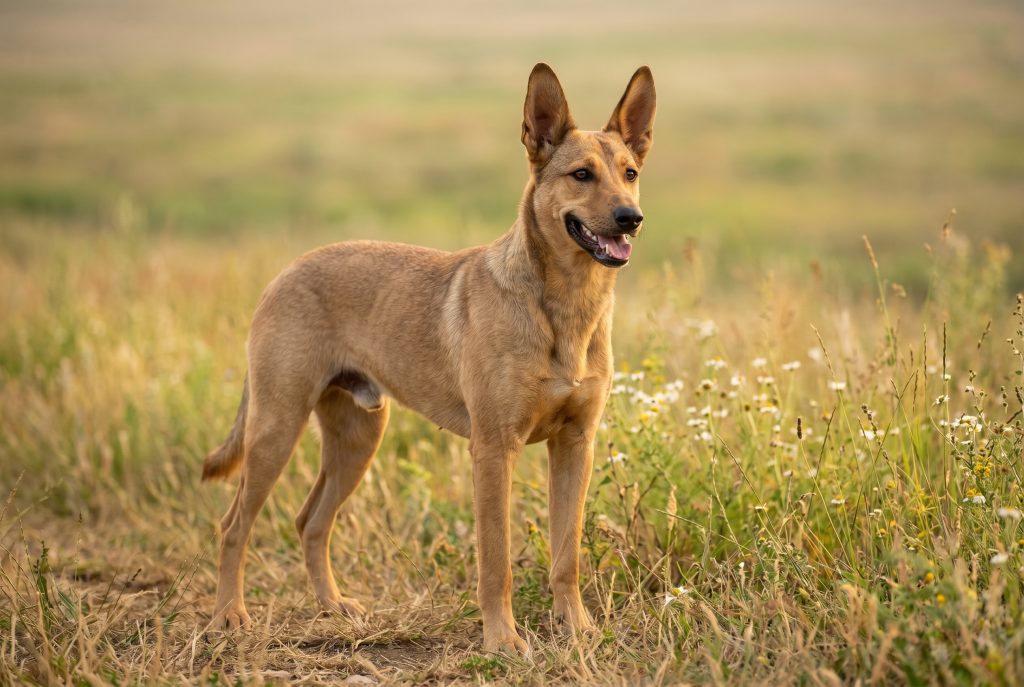
Africanis
The Africanis developed naturally through survival and adaptation, making them hardworking and dependable companions.
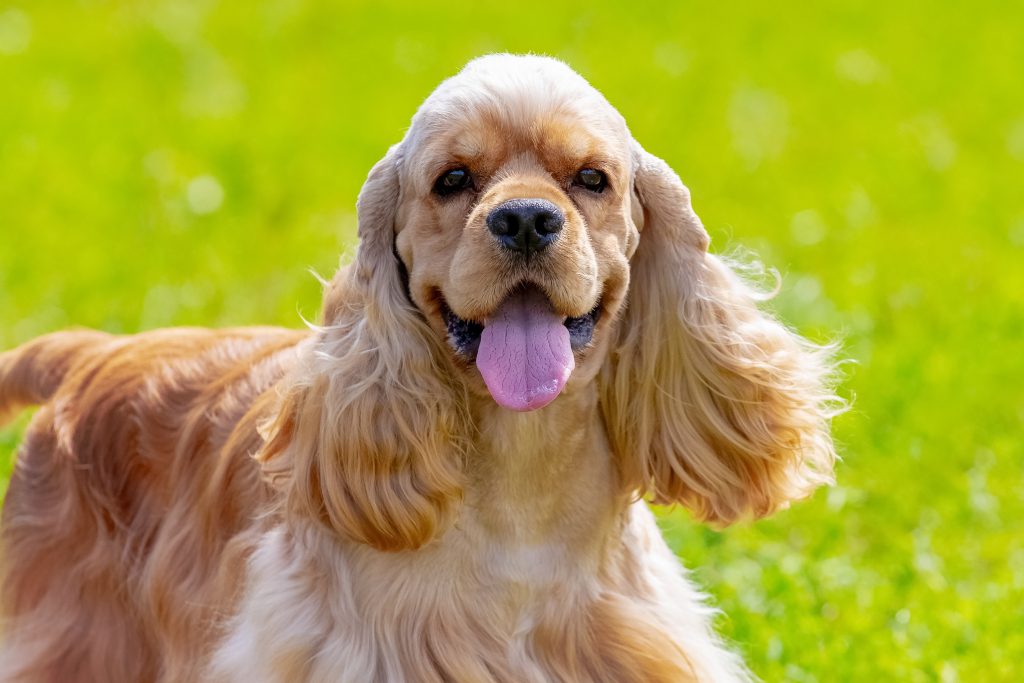
American Cocker Spaniel
American Cocker Spaniels were originally bred as gun dogs to hunt game birds, especially woodcocks.
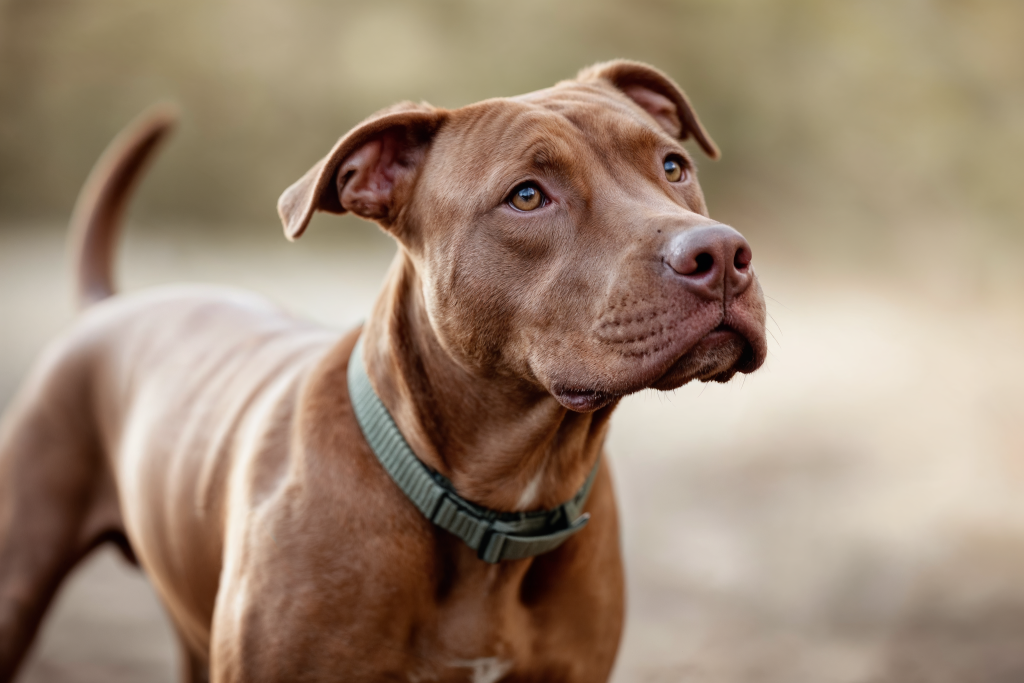
American Pit Bull Terrier
Pit Bulls were developed in 19th-century England and Ireland, where they were originally used in blood sports.

American Staffordshire Terrier
AmStaffs originated in 19th-century England when Bulldogs were crossed with Terriers to create strong, athletic dogs.
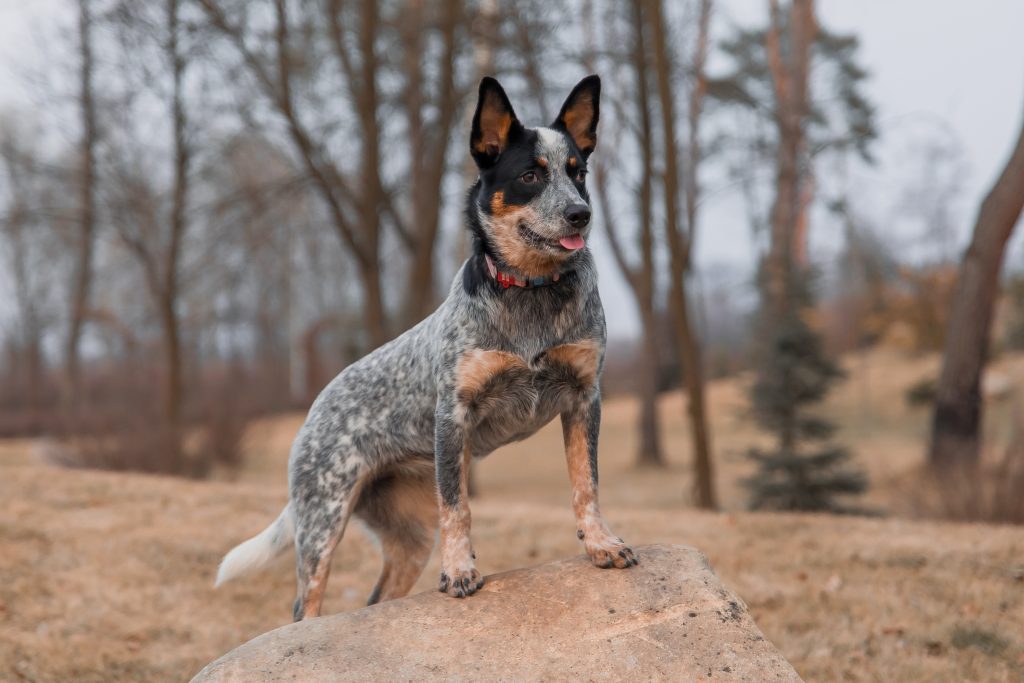
Australian Cattle Dog
Australian Cattle Dogs, also known as Blue or Red Heelers, were originally bred to herd cattle across rugged landscapes.
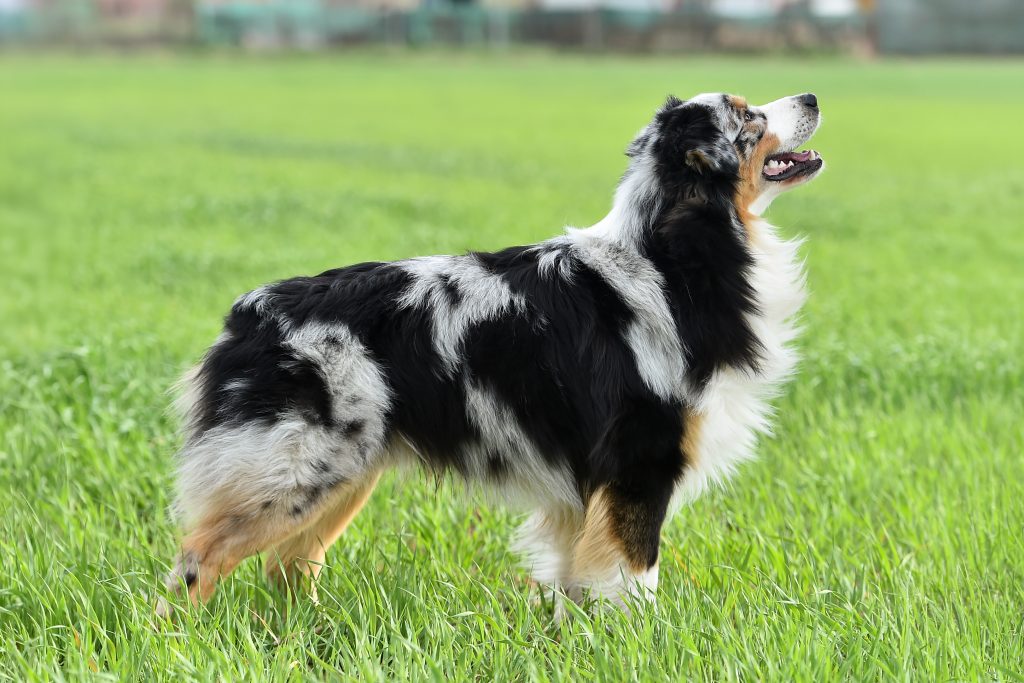
Australian Shepherd
Australian Shepherds were originally bred to herd livestock on ranches in the American West during the 1800s.
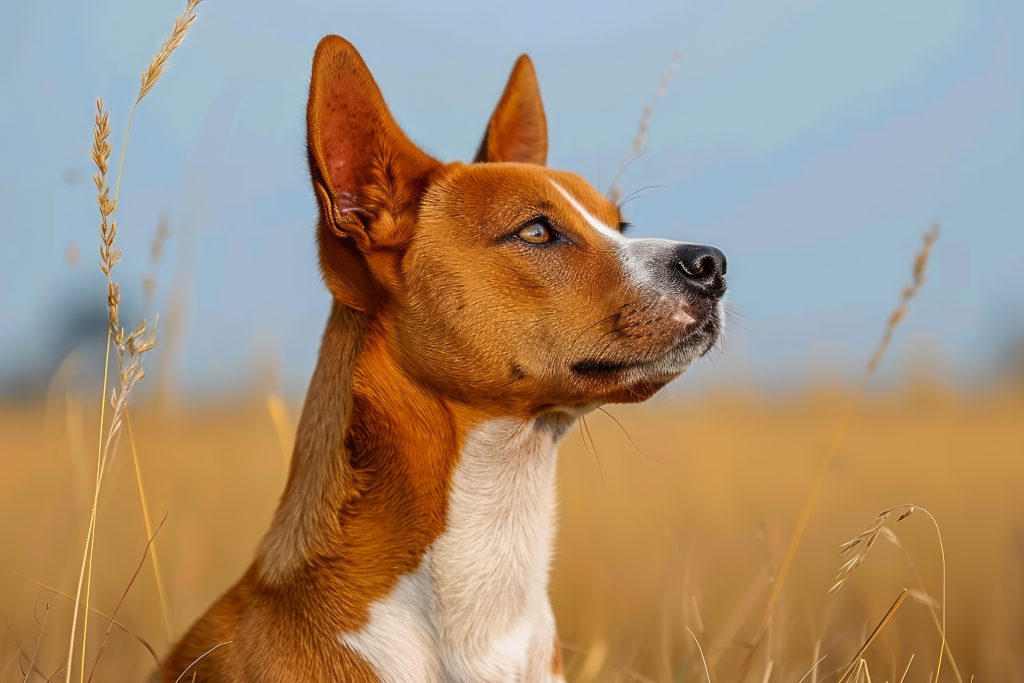
Basenji
Basenjis were originally bred in Central Africa as versatile hunting dogs and were valued by tribes in the Congo Basin.
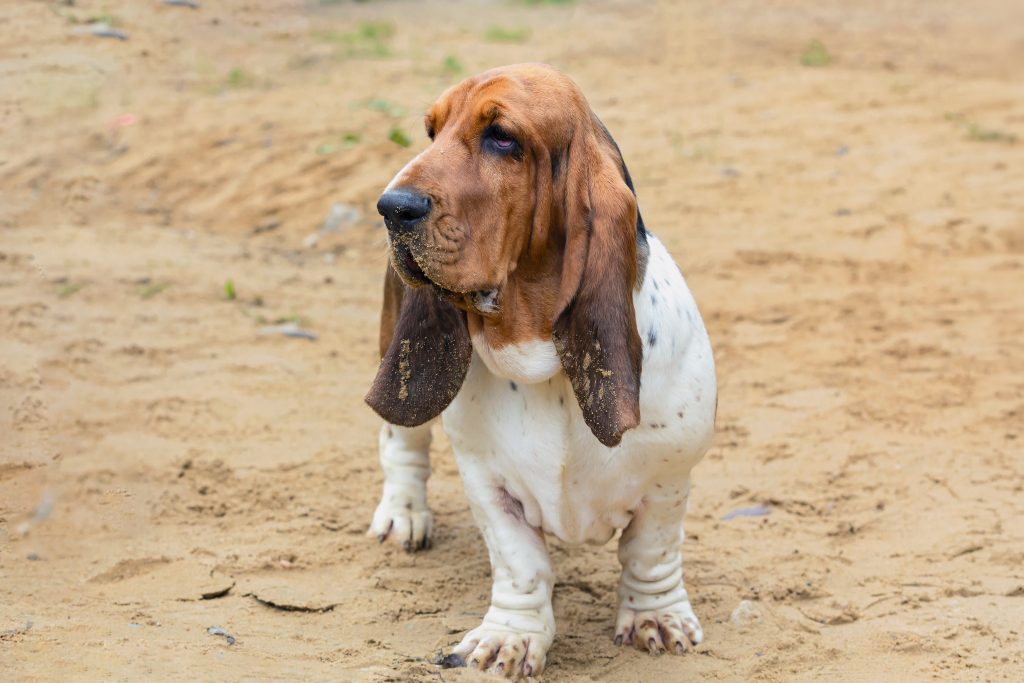
Basset Hound
Basset Hounds were originally bred in medieval France as scent hounds for hunting small game such as rabbits.
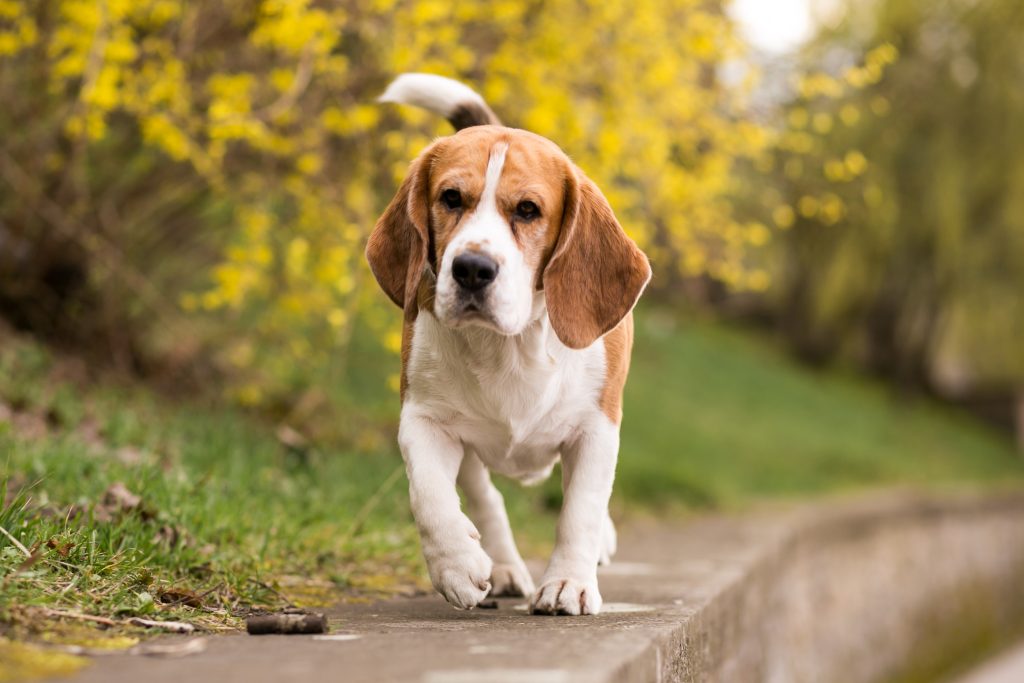
Beagle
Beagles were originally bred in England as scent hounds to hunt rabbits while moving at a pace hunters could follow on foot.
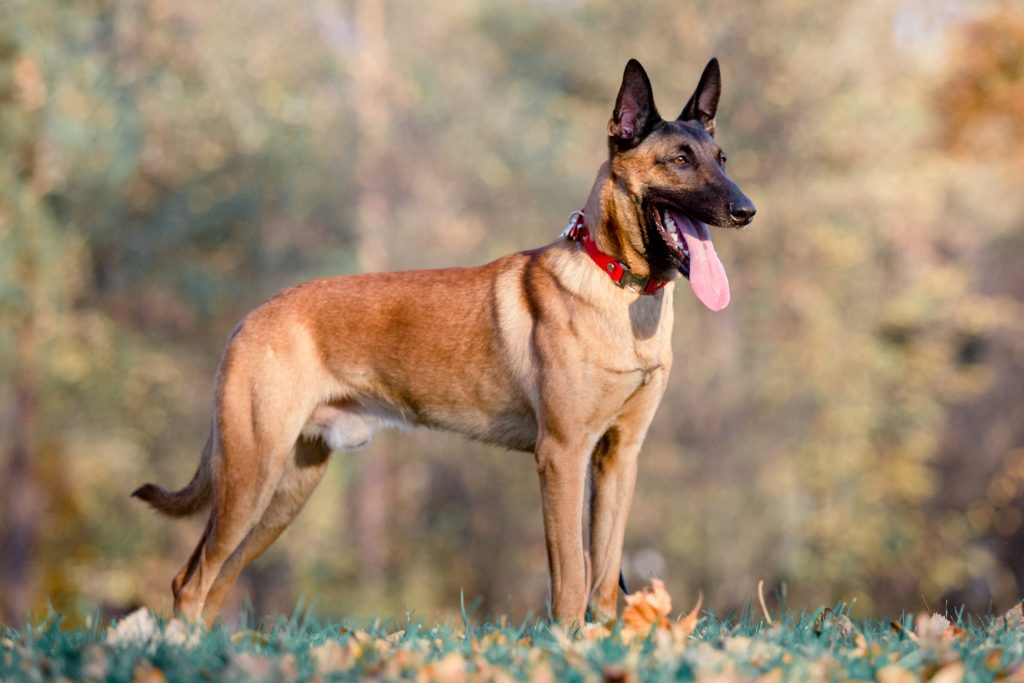
Belgian Malinois
Originally bred in the late 1800s, Belgian Malinois are among the top breeds for police, military, and search-and-rescue work.
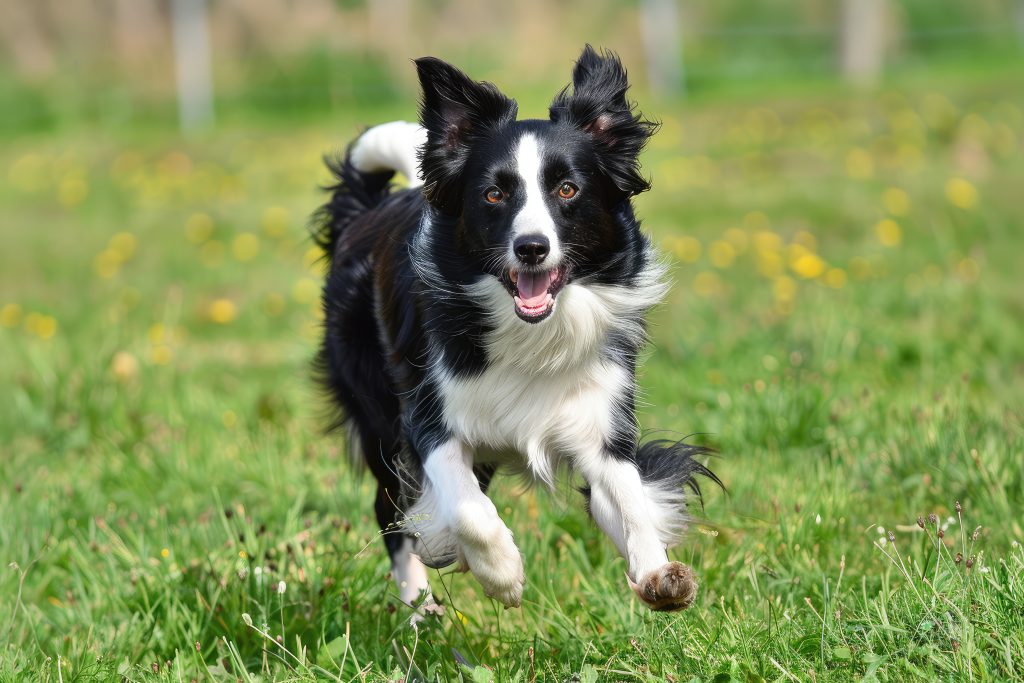
Border Collie
Border Collies were originally bred to herd sheep in the rough countryside between England and Scotland.
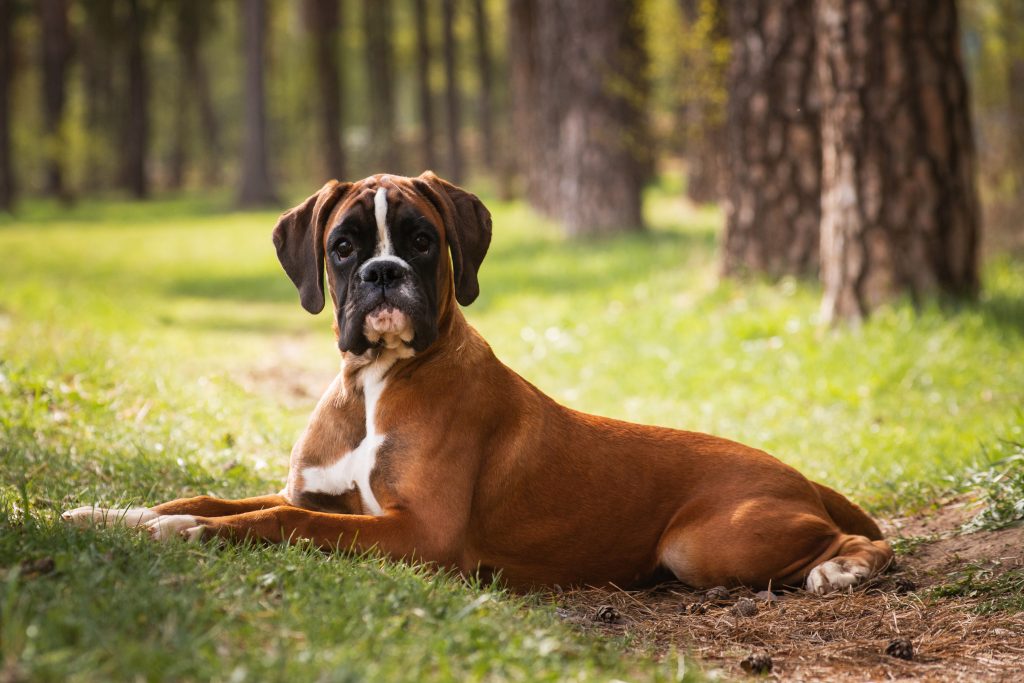
Boxer
Boxers were originally bred in Germany in the late 19th century as strong and versatile working dogs.
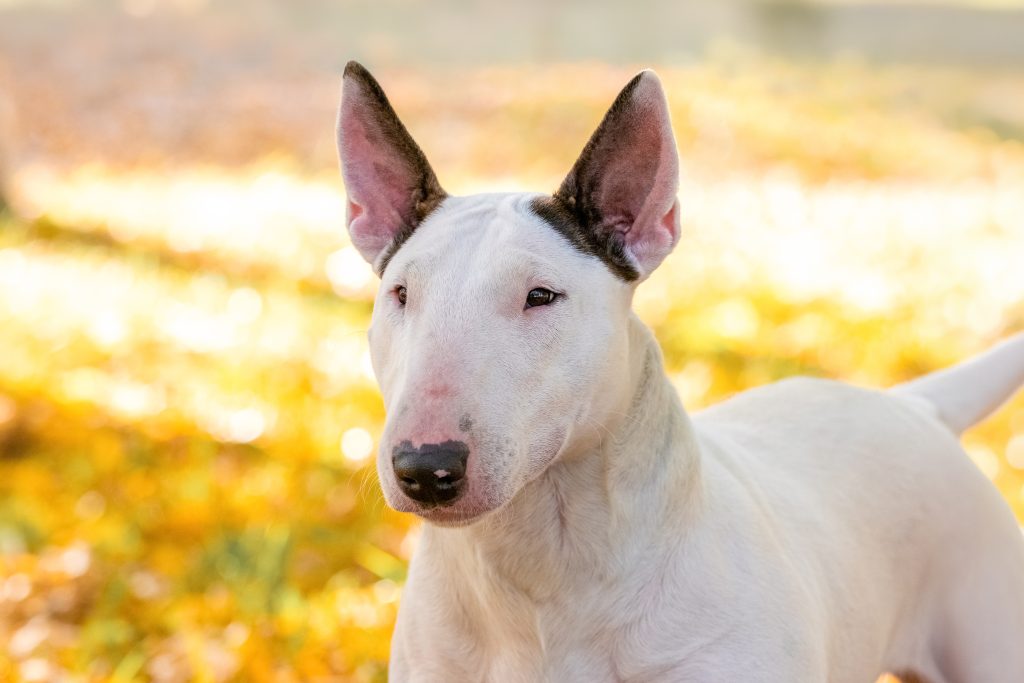
Bull Terrier
In the 1800s, Bull Terriers were originally bred for cruel blood sports like bull and bear baiting and dog fighting.

Cardigan Welsh Corgi
The Cardigan Welsh Corgi was originally bred in medieval Wales as a hardworking, all-purpose farm dog.
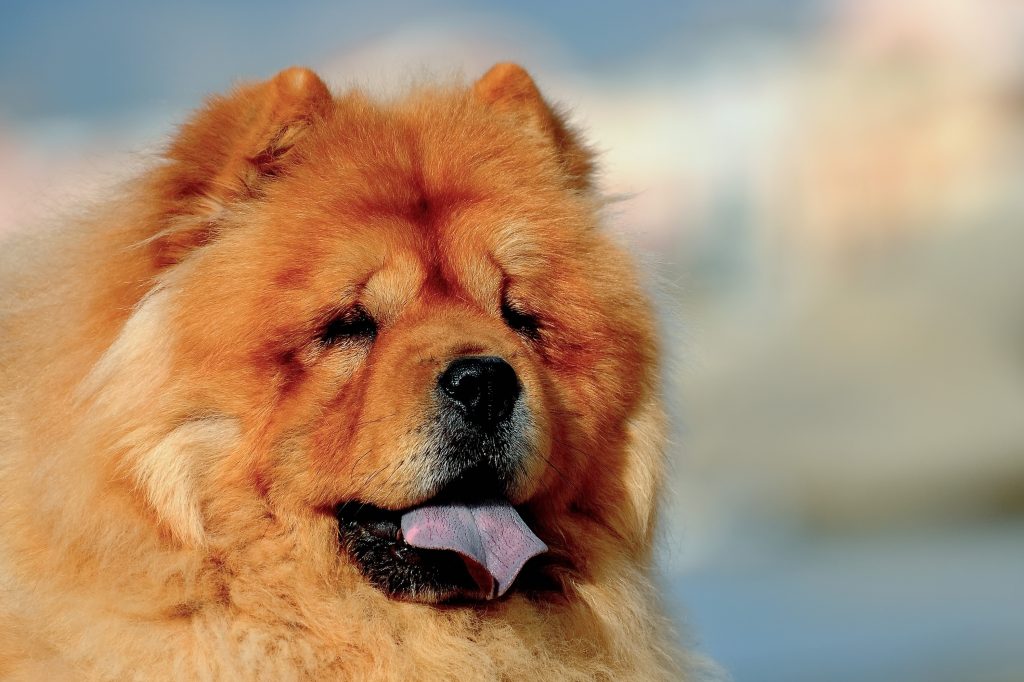
Chow Chow
Originating from Northern China, the Chow Chow is one of the oldest dog breeds, with a history dating back thousands of years.
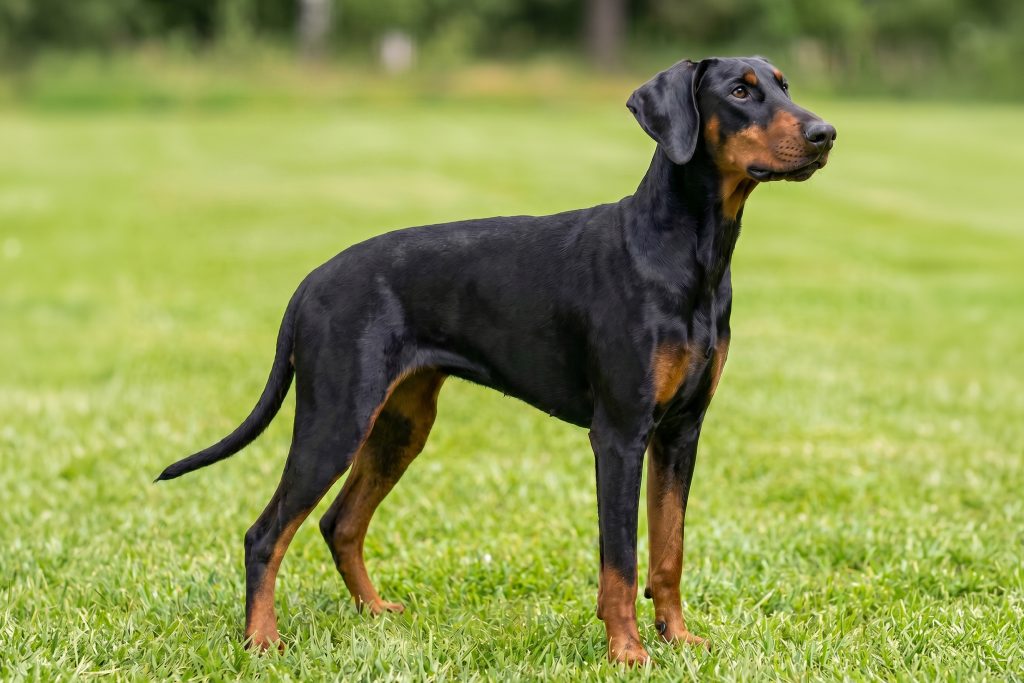
Dobermann
Dobermans were originally bred in Germany in the late 1800s as intelligent, fast, and fearless protection dogs.

English Bulldog
When bull baiting was banned in England in 1835, breeders began transforming the breed into a gentle companion dog.
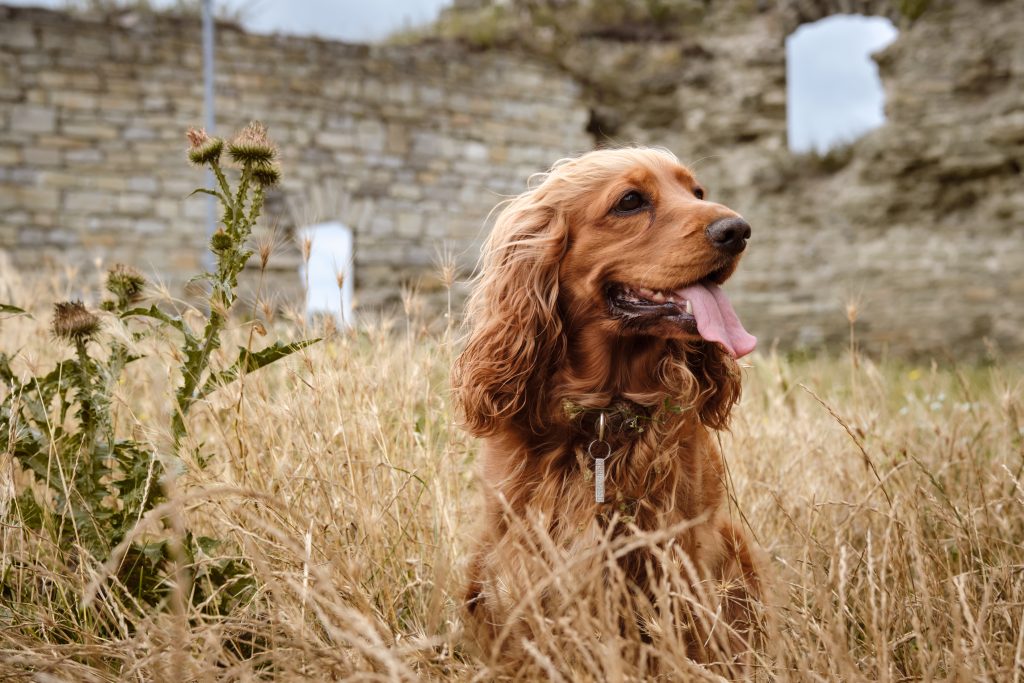
English Cocker Spaniel
English Cocker Spaniels were originally bred as gun dogs, trained to hunt, flush out, and retrieve upland game birds.
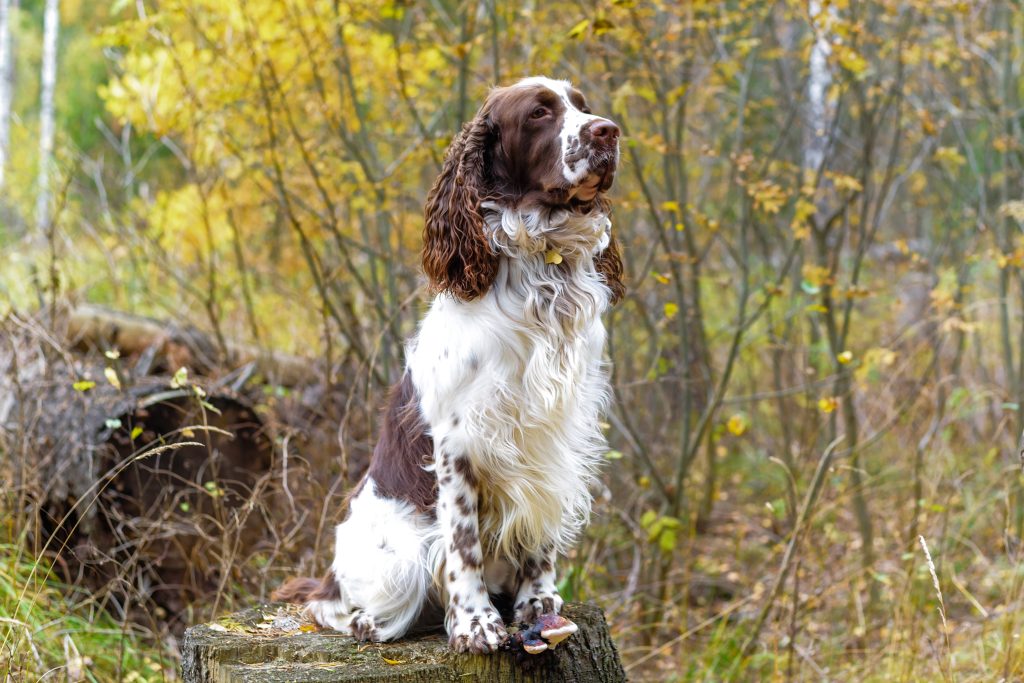
English Springer Spaniel
English Springer Spaniels were originally bred as versatile hunting companions whose main job was to flush game birds.

Ibizan Hound
Ibizan Hounds were originally bred on Ibiza and the Balearic Islands to hunt rabbits and other small game in packs.
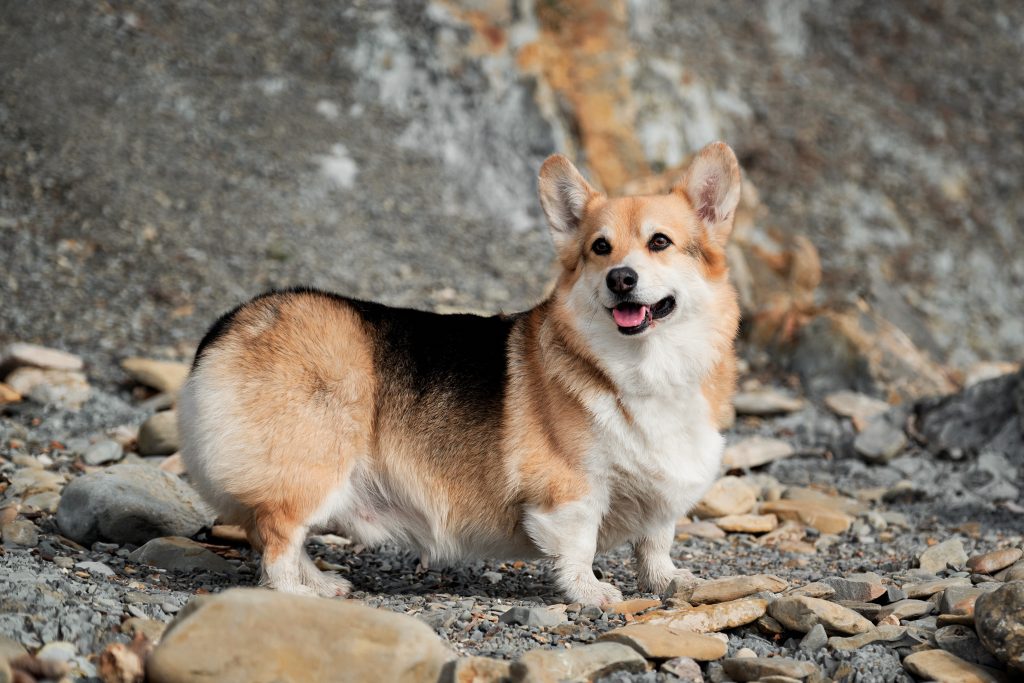
Pembroke Welsh Corgi
Pembroke Welsh Corgis were originally bred in Wales as hardworking farm and herding dogs.

Saluki
Salukis were originally bred by nomadic tribes and Middle Eastern royalty to hunt fast-moving prey using their eyesight.
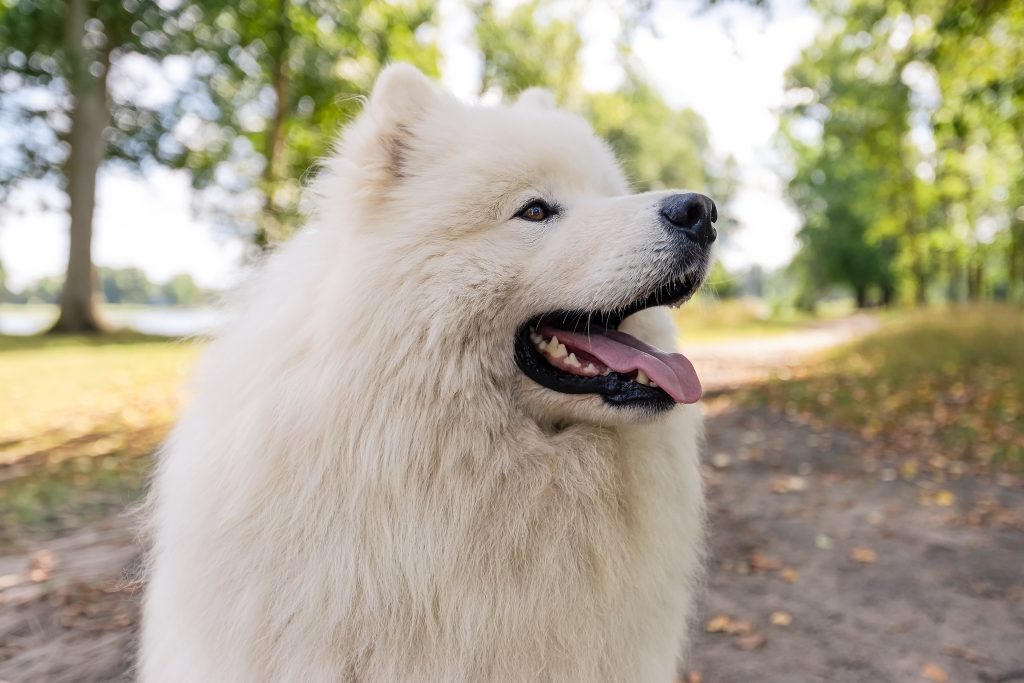
Samoyed
Samoyeds were bred for herding reindeer, pulling sledges, hunting, and helping their owners survive the harsh Arctic climate.
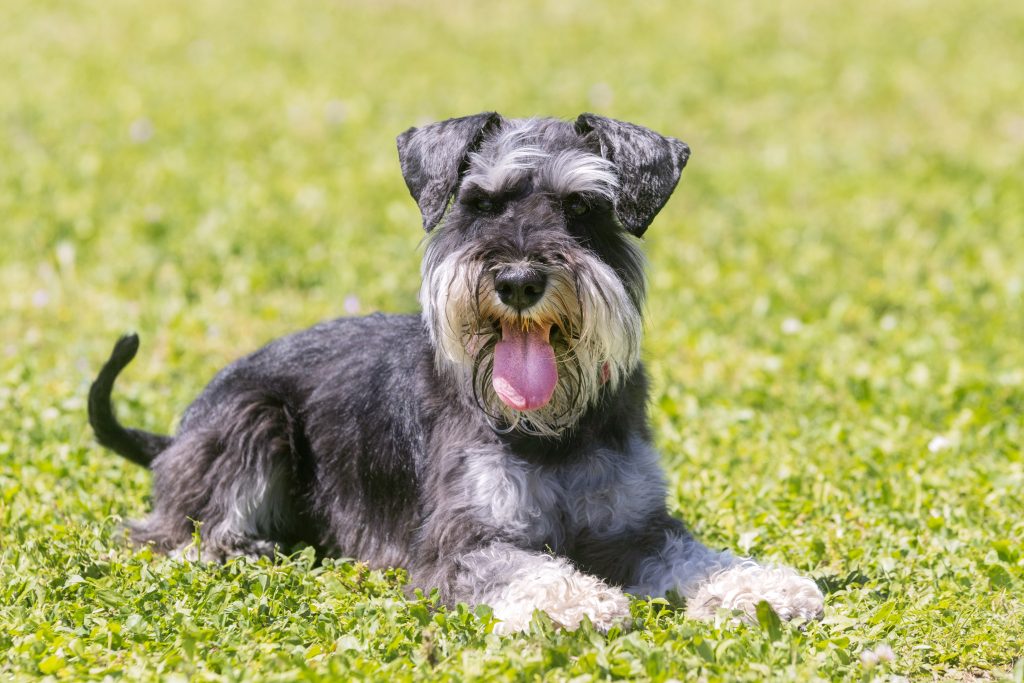
Schnauzer
Schnauzers were originally bred in Germany as versatile farm dogs that helped hunt small animals and keep farms rat-free.
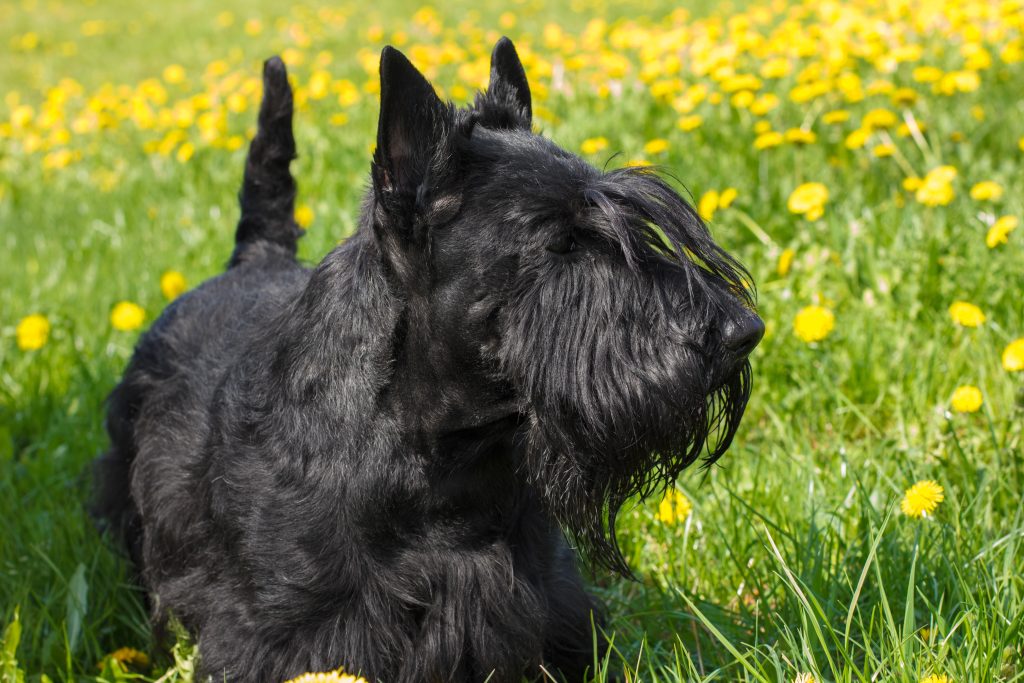
Scottish Terrier
Scottish Terriers are brave, skilled hunters and were originally bred to hunt and control vermin such as badgers and foxes.
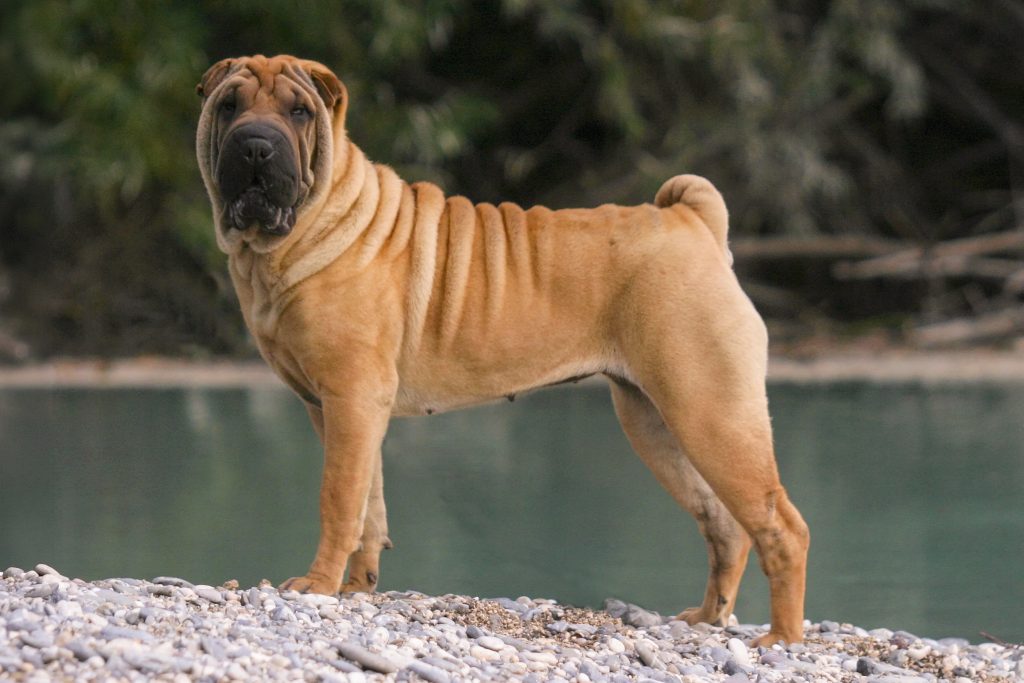
Shar Pei
Shar Peis were originally bred in ancient China as hardworking farm dogs that helped with a variety of tasks.
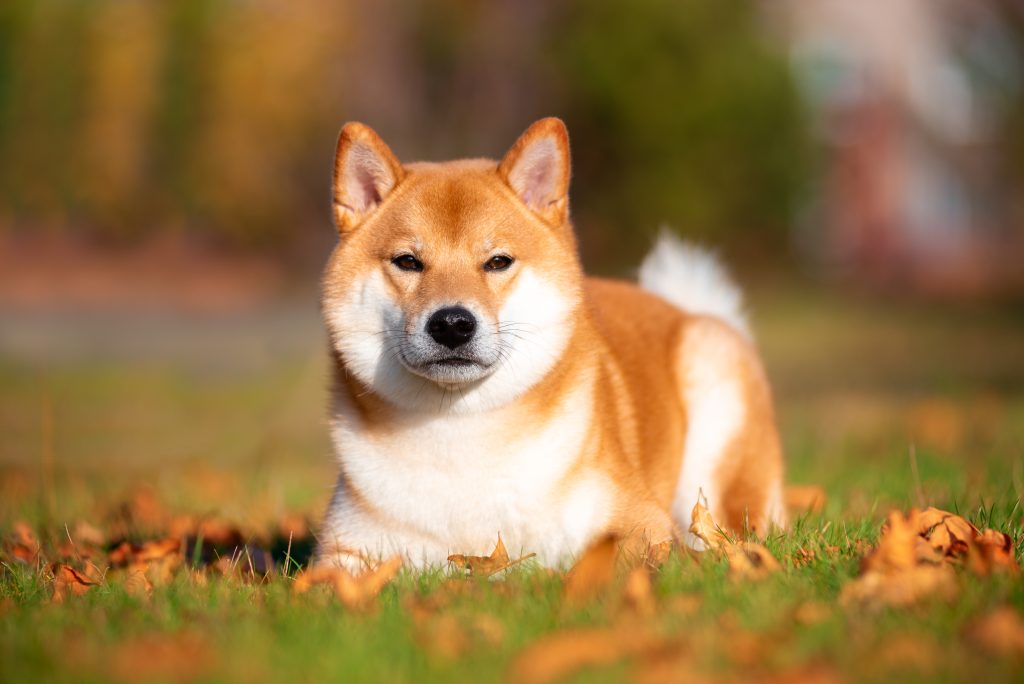
Shiba Inu
Shiba Inus were originally bred in the mountainous regions of central Japan to hunt small animals like birds and rabbits.
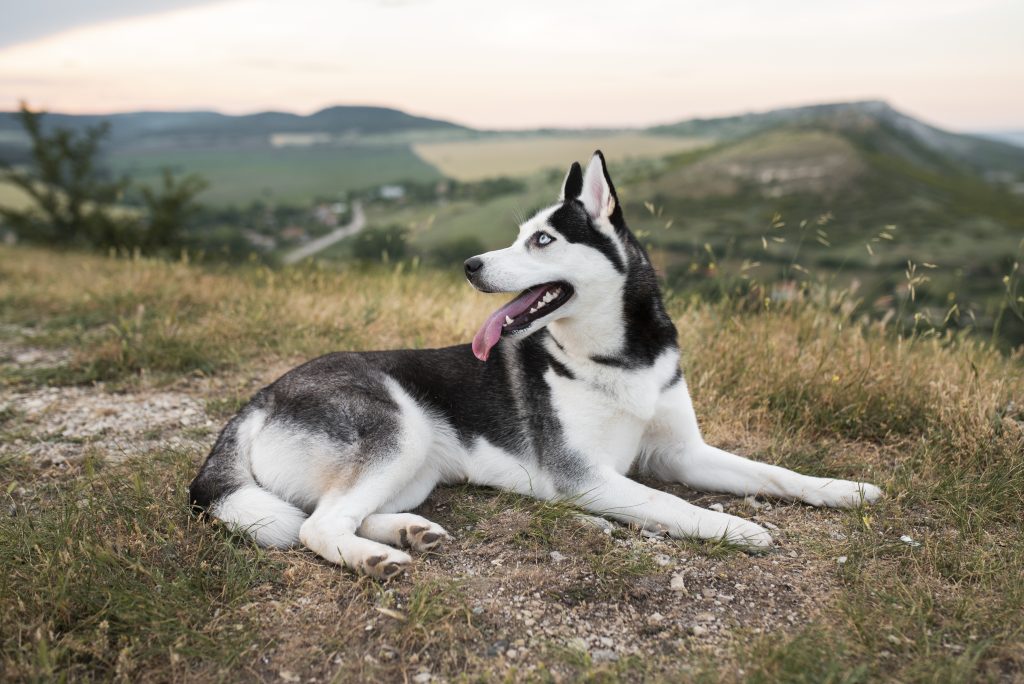
Siberian Husky
Originally bred in northeastern Asia, Siberian Huskies were developed as sledge dogs built for long journeys.

Staffordshire Bull Terrier
The Staffy was developed by crossing bulldogs with different terriers, creating a strong and energetic dog.
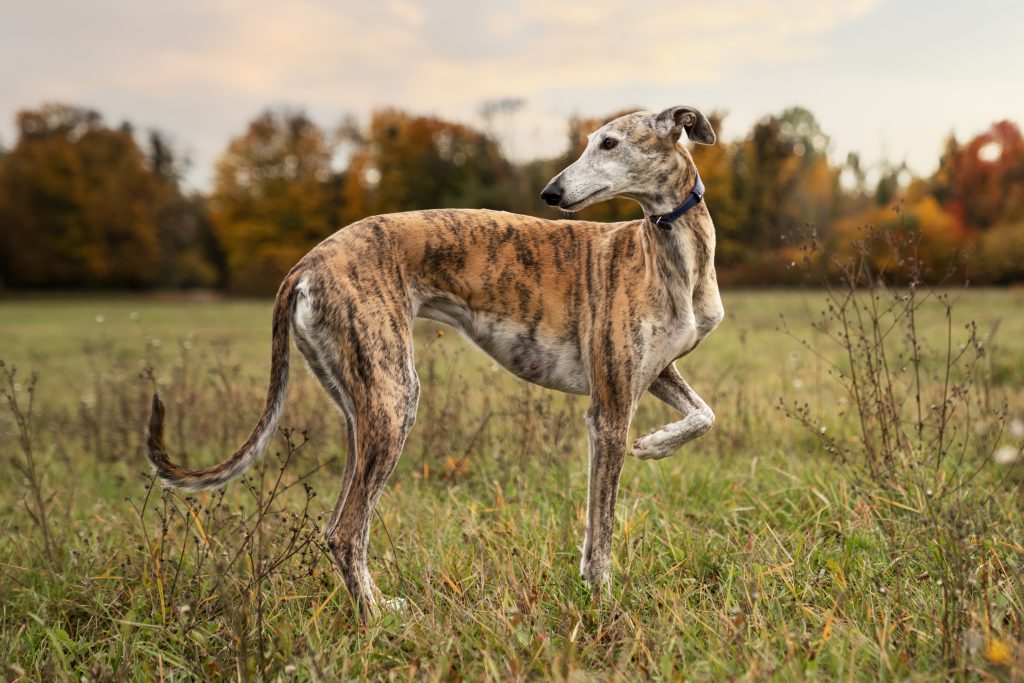
Whippet
Whippets were originally bred in northern England during the 18th and 19th centuries for both hunting and sport.
Disclaimer: The size classifications provided for the breeds are based on the breed standards recognised by the Kennel Union of Southern Africa (KUSA). These measurements and weight ranges are intended as general guidelines only. Individual dogs may vary in size depending on factors such as genetics, sex, nutrition, and overall health.