

Weight
20-40 kg

Height
50-60 cm

Lifespan
10-14 years
What were Africanis originally bred for?
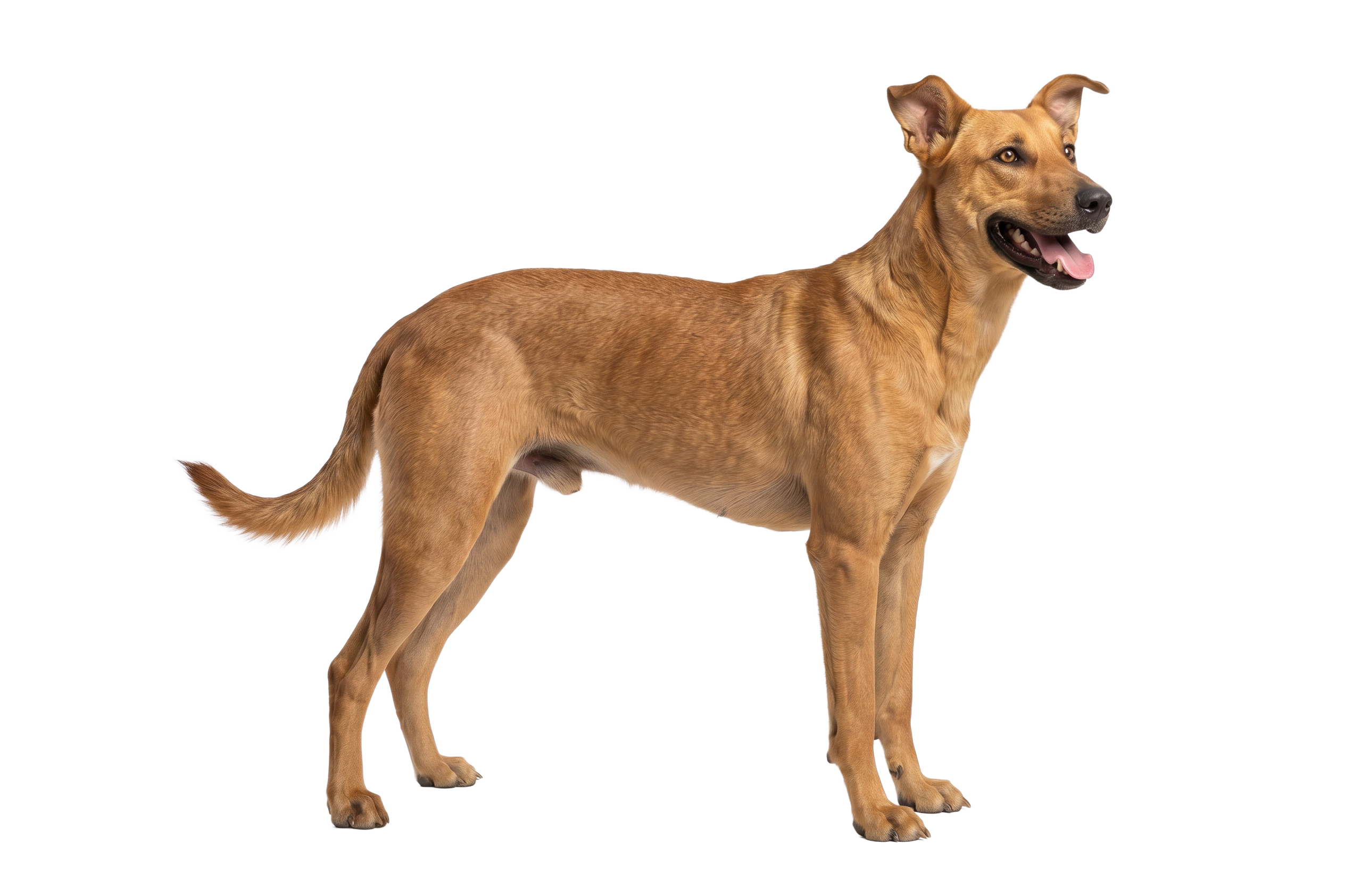
The Africanis truly captures the spirit of Africa. This remarkable breed is believed to have descended from the ancient pariah dogs that lived across the continent for centuries.
Unlike many modern breeds, the Africanis developed naturally through survival and adaptation, creating a strong and unique genetic makeup. Indigenous communities originally relied on these dogs to herd livestock and guard settlements, making them hardworking and dependable companions.
Today, people value Africanis dogs for their loyalty, intelligence, adaptability, and friendly nature. Their rich South African history and all-round abilities make them wonderful companions for both individuals and families.
Personality
Trainability level

Energy level

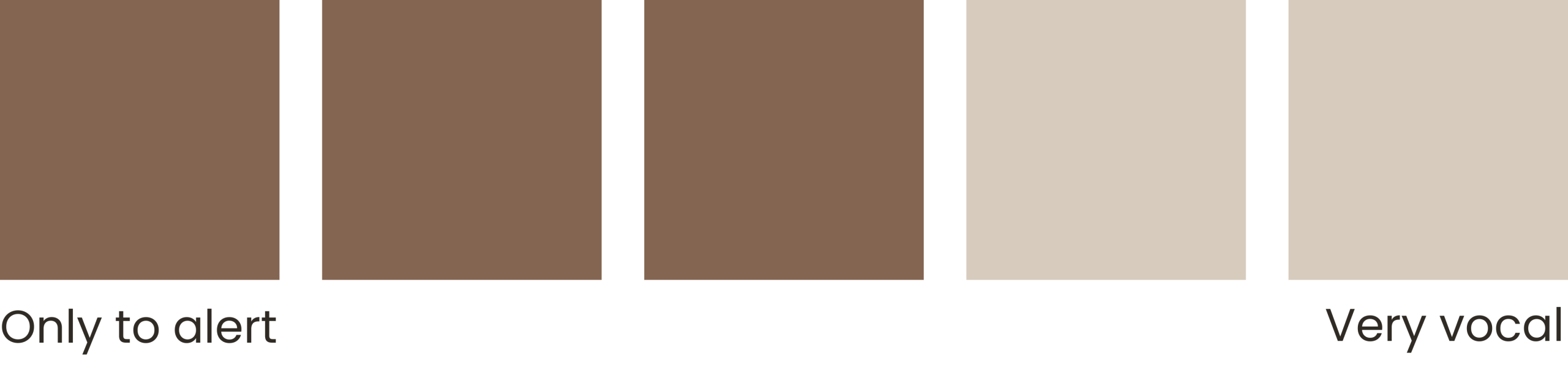
Barking level
Mental stimulation needs

Family Life
Family affection

Compatibility with young children

Compatibility with other dogs

Social Traits
Stranger friendliness

Playfulness level

Protective instincts

Adaptability level

Physical Traits
Shedding level

Grooming frequency

Coat length & type
Double-coated and short-haired or wirehaired
Common health problems
Thanks to centuries of natural selection, the Africanis is known as an exceptionally healthy and hardy breed. Unlike many pedigree dogs, they are generally free from many inherited health problems, such as severe hip dysplasia, breathing difficulties, and ongoing skin issues.
Read more: How to Avoid Getting Scammed When Buying a Puppy in South Africa
Their strong and diverse gene pool has helped them develop into robust, adaptable dogs. Africanis dogs typically live between 10 and 14 years, with many reaching 15 years when properly cared for.
Regular veterinary check-ups, vaccinations, parasite control, and a balanced diet usually keep them healthy.
Disclaimer: This information is based on average breed traits and data collected from various reputable sources. Every dog is unique and may differ from these general descriptions.