
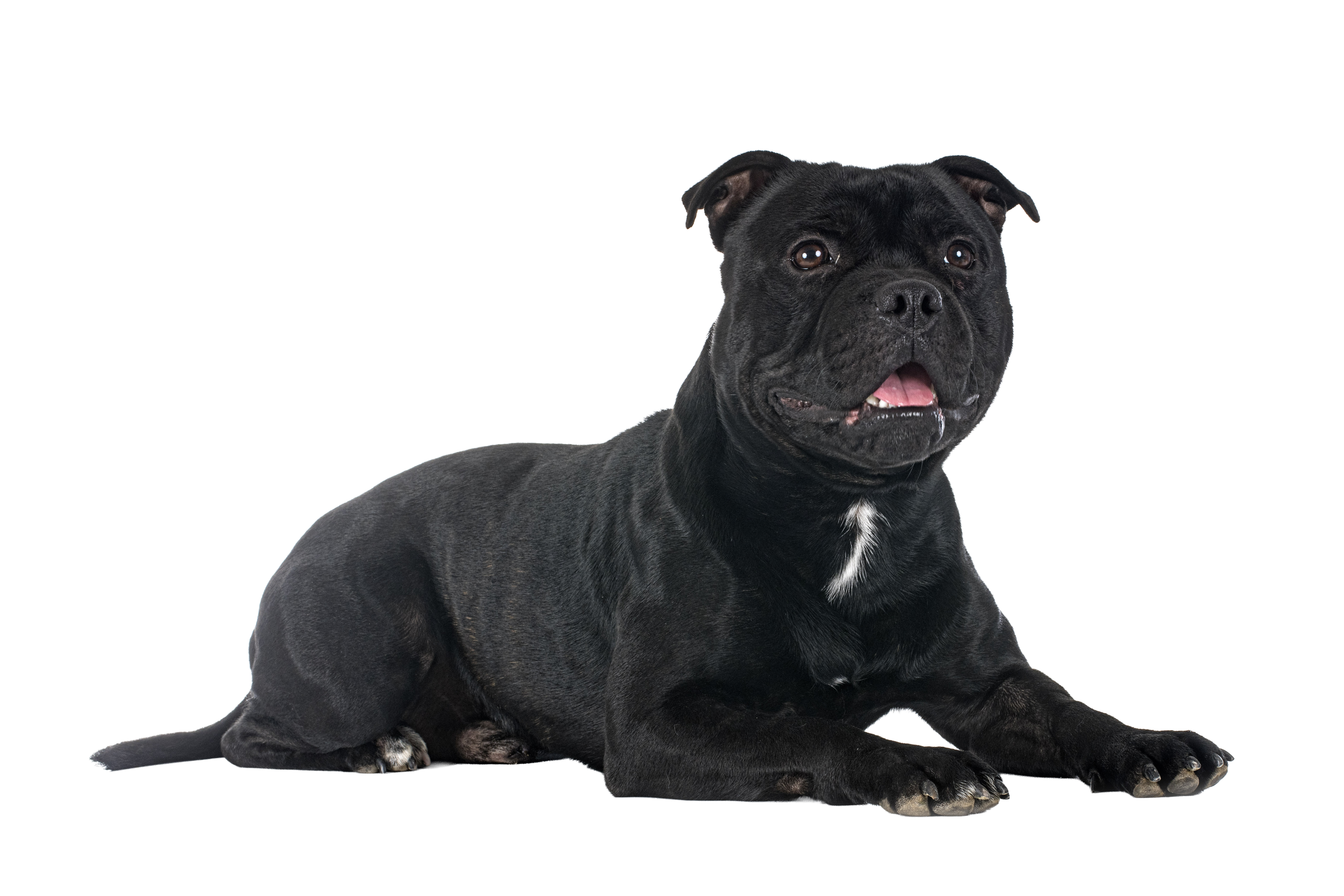

Weight
11-17 kg

Height
36-41 cm

Lifespan
10-16 years
What were Staffordshire Bull Terriers originally bred for?
The Staffordshire Bull Terrier, often called a Staffy, was originally bred in Staffordshire, England, during the 19th century. The breed was developed by crossing bulldogs with different terriers, creating a strong and energetic dog.
In the early days, people sadly used these dogs for cruel sports such as bull and bear baiting. When these activities became less popular and were eventually banned, the breed nearly disappeared. However, Staffies made a comeback in the 1930s and quickly became loved for their loyal and affectionate nature.
Although modern Staffies are friendly family dogs, breeders originally developed them to fight other dogs, so many still have a strong prey drive and can become overly excited during rough play. Proper training, socialisation, and supervision are important to help them interact safely with other pets and dogs.
Personality
Trainability level

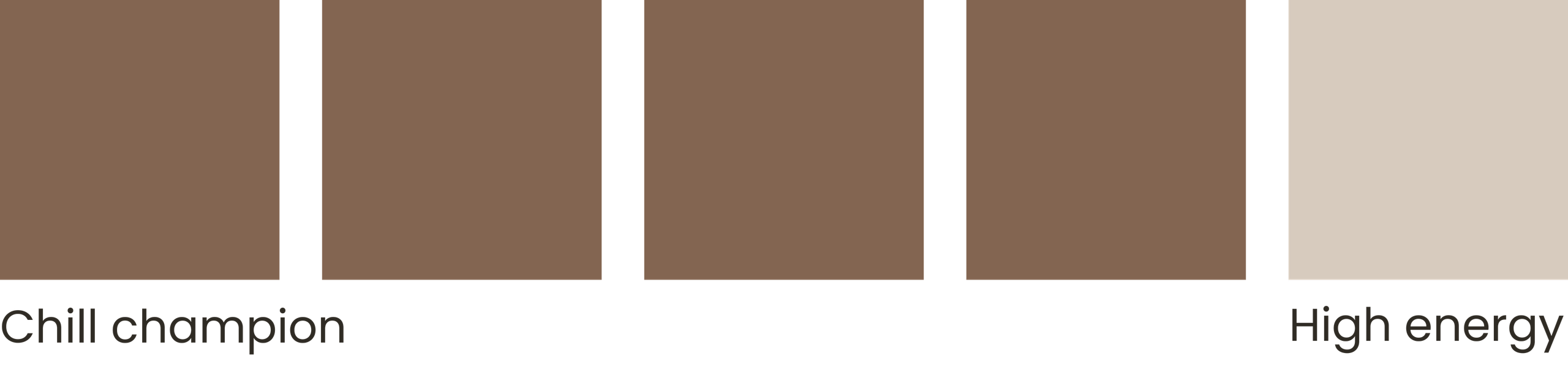
Energy level
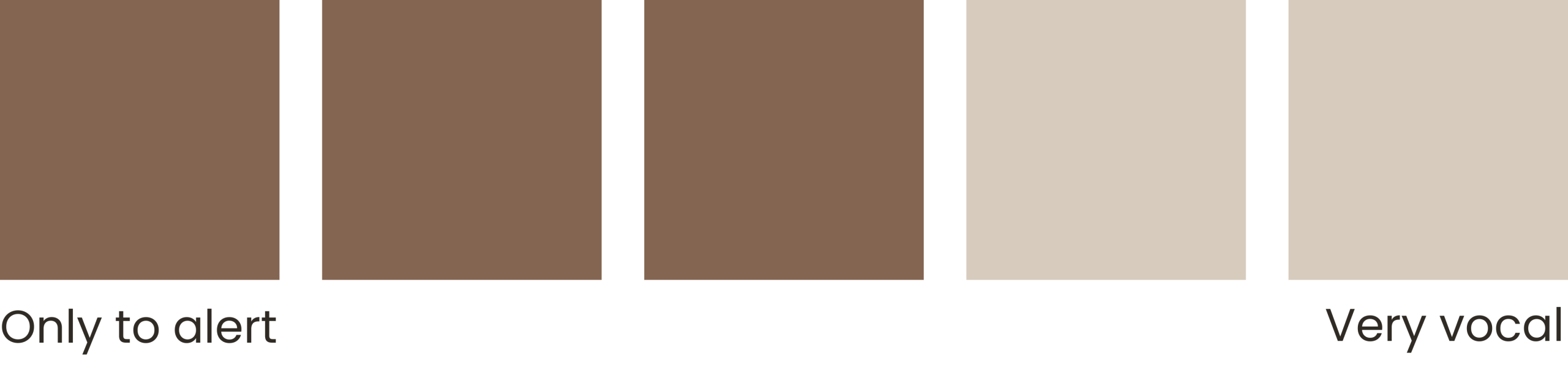
Barking level
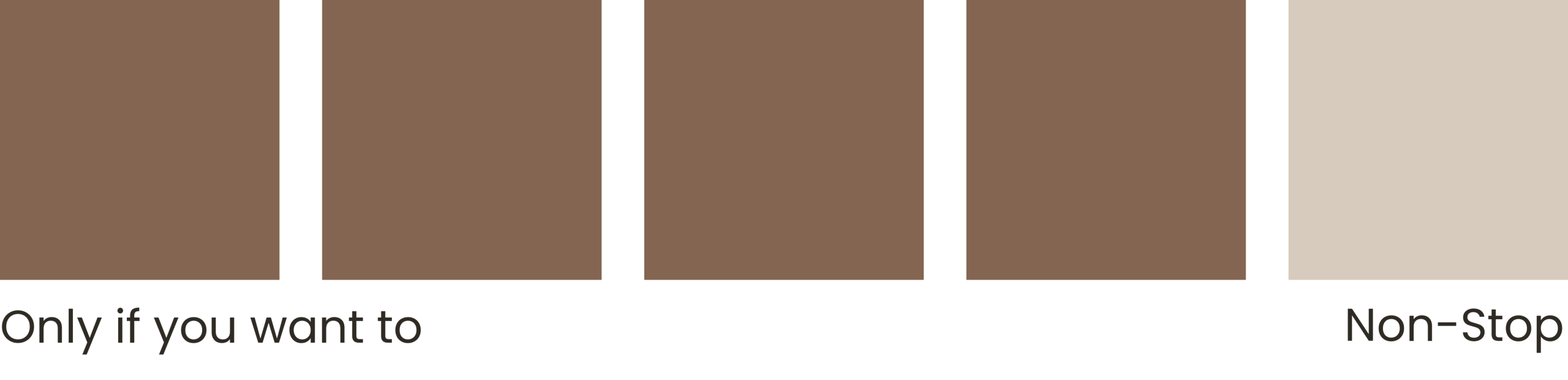
Mental stimulation needs

Family Life
Family affection

Compatibility with young children

Compatibility with other dogs

Social Traits
Stranger friendliness

Playfulness level
Protective instincts

Adaptability level
Physical Traits
Shedding level

Grooming frequency

Coat length & type
Smooth coat, short-haired
Common health problems
Staffies are generally healthy dogs, but responsible breeders test their dogs for certain inherited health conditions before breeding. These can include hip and elbow dysplasia, kneecap problems (patellar luxation), and several eye conditions such as hereditary cataracts.
Read more: How to Avoid Getting Scammed When Buying a Puppy in South Africa
Breeders can also use DNA tests to check for conditions like L-2-HGA, a rare metabolic disorder, and hereditary cataracts, helping them avoid passing these problems on to puppies.
If you are getting a Staffy puppy, it’s important to speak with the breeder about the dog’s health history and ask to see copies of the health testing results.
Disclaimer: This information is based on average breed traits and data collected from various reputable sources. Every dog is unique and may differ from these general descriptions.