
Understanding Dog Breed Groups
Dogs come in all shapes, sizes, and personalities, but every breed was originally developed for a specific purpose. To help organise breeds and maintain consistent breed standards, kennel clubs around the world classify dogs based on their historical roles, physical characteristics, and behaviour. The Kennel Union of Southern Africa (KUSA) uses these classifications to guide breeding standards and organise dog shows.
Although each breed is unique, most dogs fall into one of seven main breed groups.
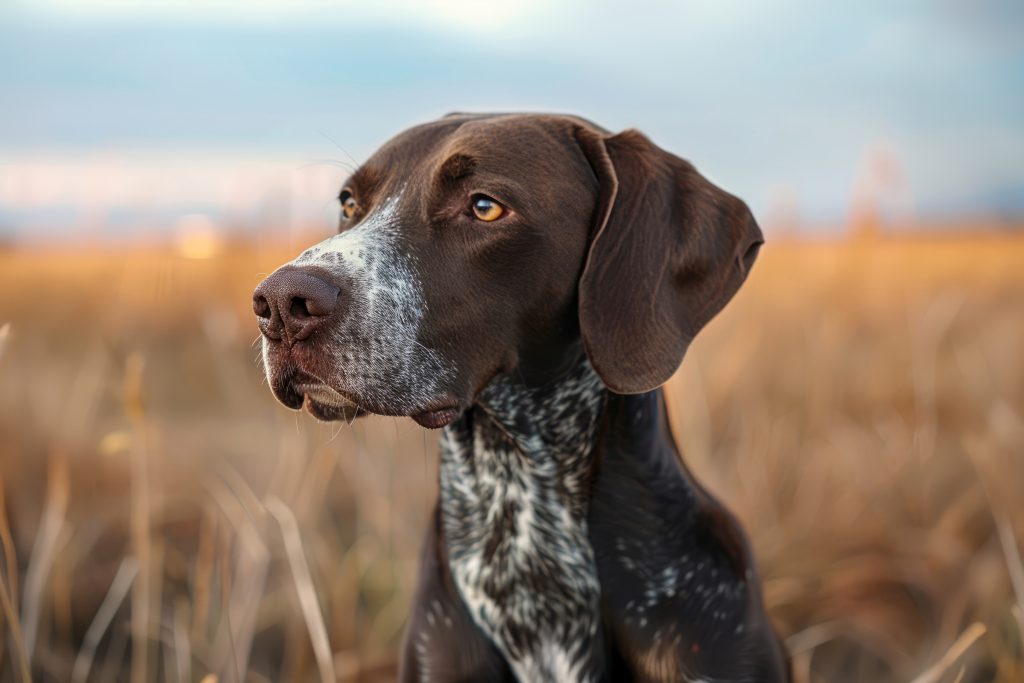
Gundogs
Gundogs were originally bred to assist hunters by locating, flushing out, and retrieving game. These dogs are known for their intelligence, eagerness to please, and friendly nature, making them excellent family companions. Many gundogs also excel in obedience, agility, and other canine sports.
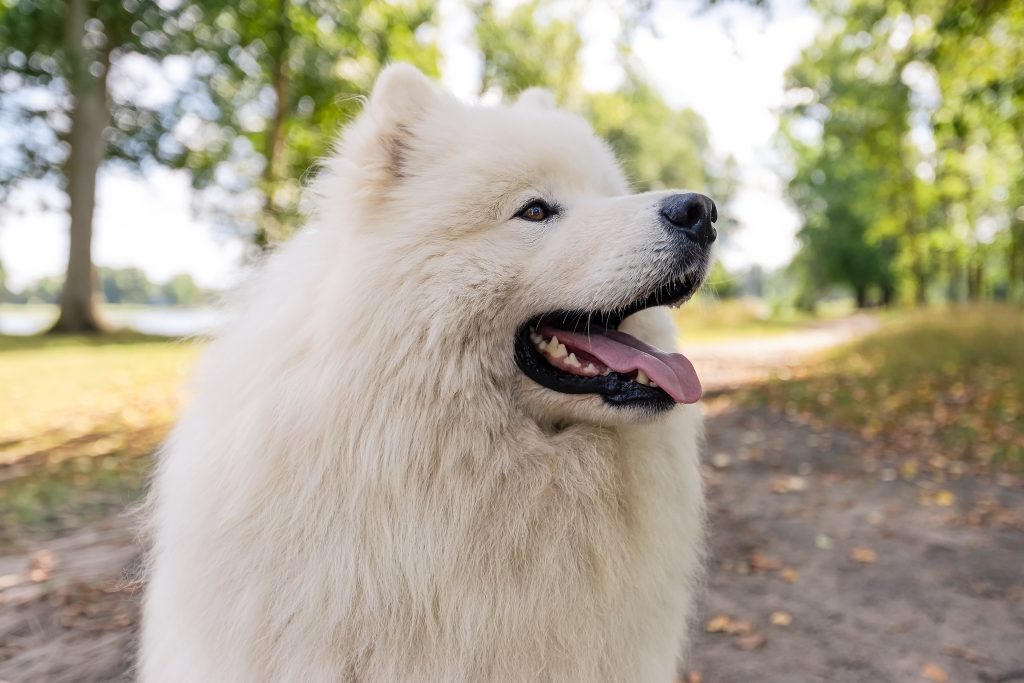
Herding Dogs
Herding Dogs consist of breeds developed to herd and manage livestock such as sheep, cattle, and reindeer. These dogs are highly intelligent, responsive, and quick learners. Their natural working ability and trainability make them popular choices for both farms and active households.
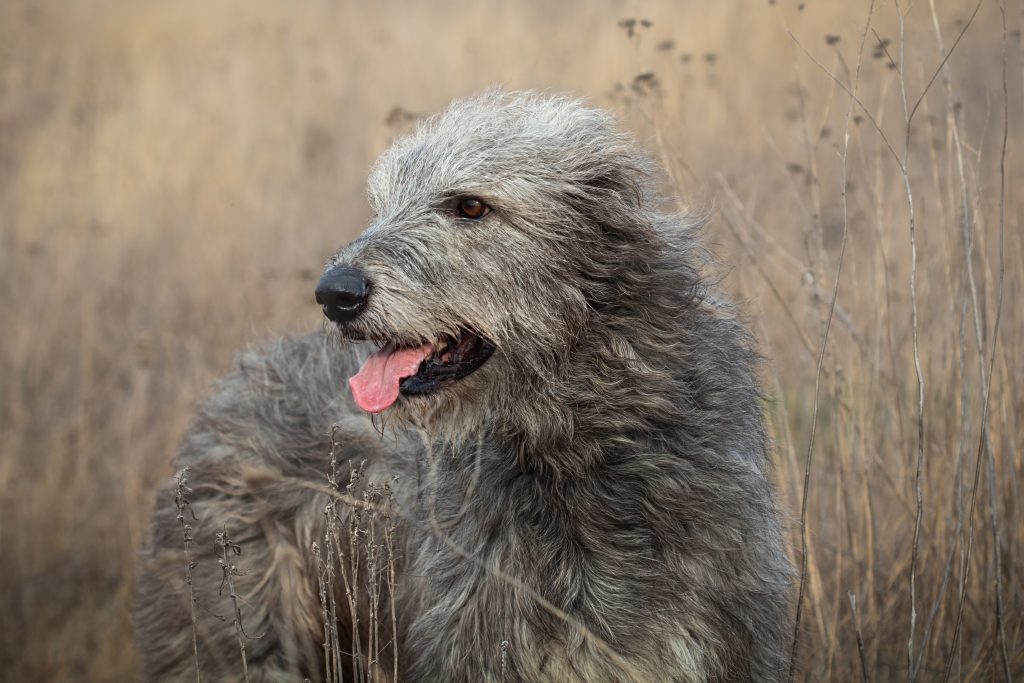
Hounds
Hounds were developed for hunting and tracking. Some hounds, known as scent hounds, follow a trail using their exceptional sense of smell, while others, called sighthounds, rely on their speed and keen eyesight to chase prey. Hounds are often independent thinkers with strong hunting instincts.

Terriers
Terriers were bred to hunt and control vermin, often working both above and below ground. They are known for their courage, determination, and energetic personalities. Terriers are typically confident, spirited dogs that enjoy having a job to do.
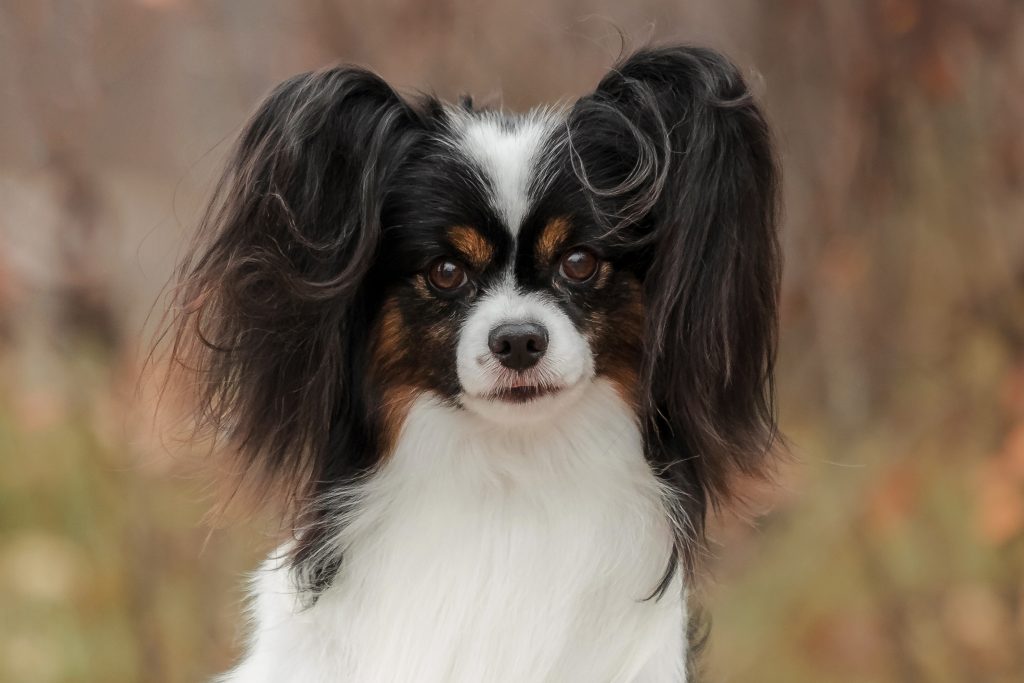
Toy Dogs
Toy breeds were developed primarily as companion animals and lap dogs. Despite their small size, many are surprisingly alert and make excellent watchdogs. Toy breeds are often affectionate, lively, and devoted to their families.
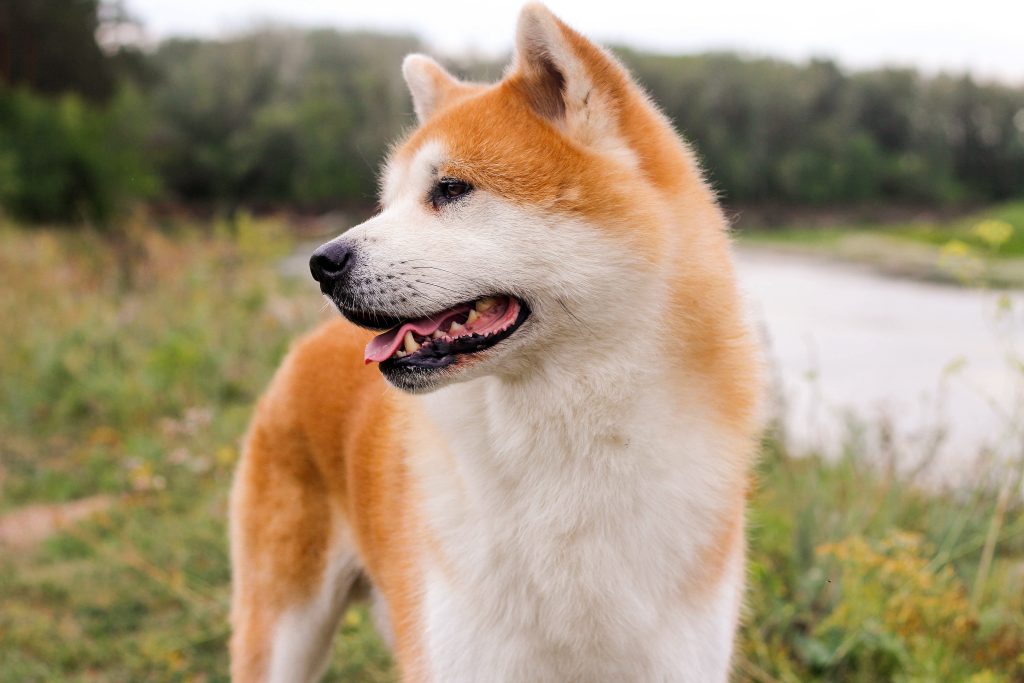
Utility Dogs
The Utility Group includes breeds that do not fit neatly into the other categories. These dogs were developed for a wide range of purposes, including companionship, guarding, and specialised working roles. As a result, the group contains a diverse mix of breeds with varying sizes, appearances, and temperaments.
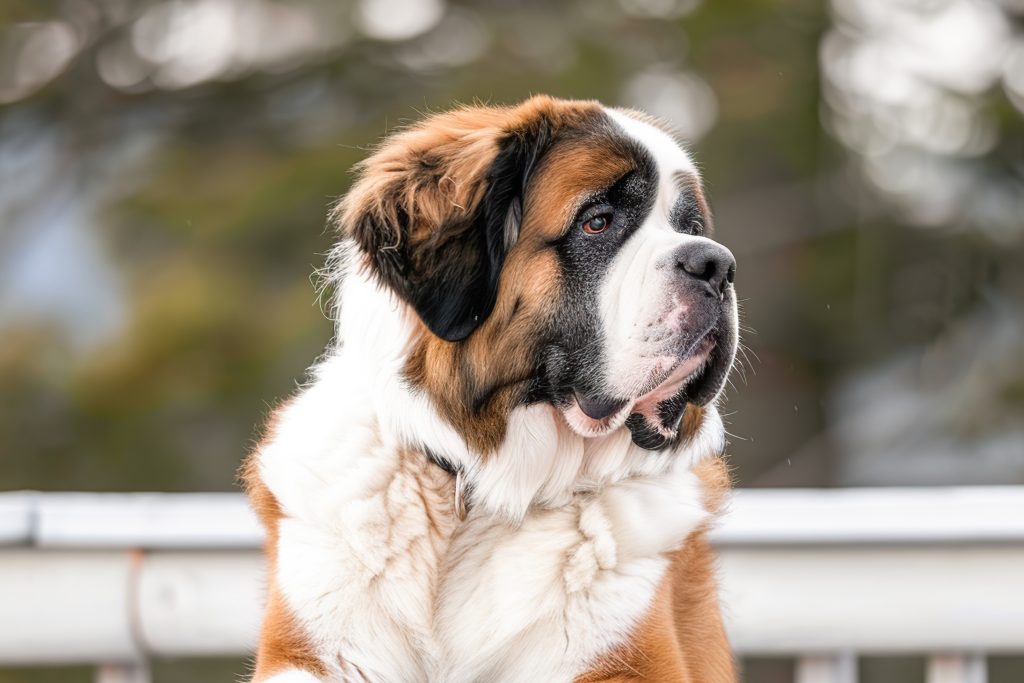
Working Dogs
Working dogs were bred to assist people with demanding tasks such as guarding property, pulling sledges, rescuing people, and protecting livestock. These breeds are generally strong, intelligent, and capable of great endurance. Many require regular physical and mental stimulation to thrive.
Why Breed Groups Matter
Understanding breed groups can provide valuable insight into a dog’s instincts, exercise needs, and personality traits. While every dog is an individual, knowing the purpose for which a breed was originally developed can help owners choose a dog that best matches their lifestyle and expectations.
Whether you’re looking for an energetic sporting companion, a loyal guardian, or a devoted lap dog, breed groups offer a useful starting point when exploring the wonderful world of dogs.