
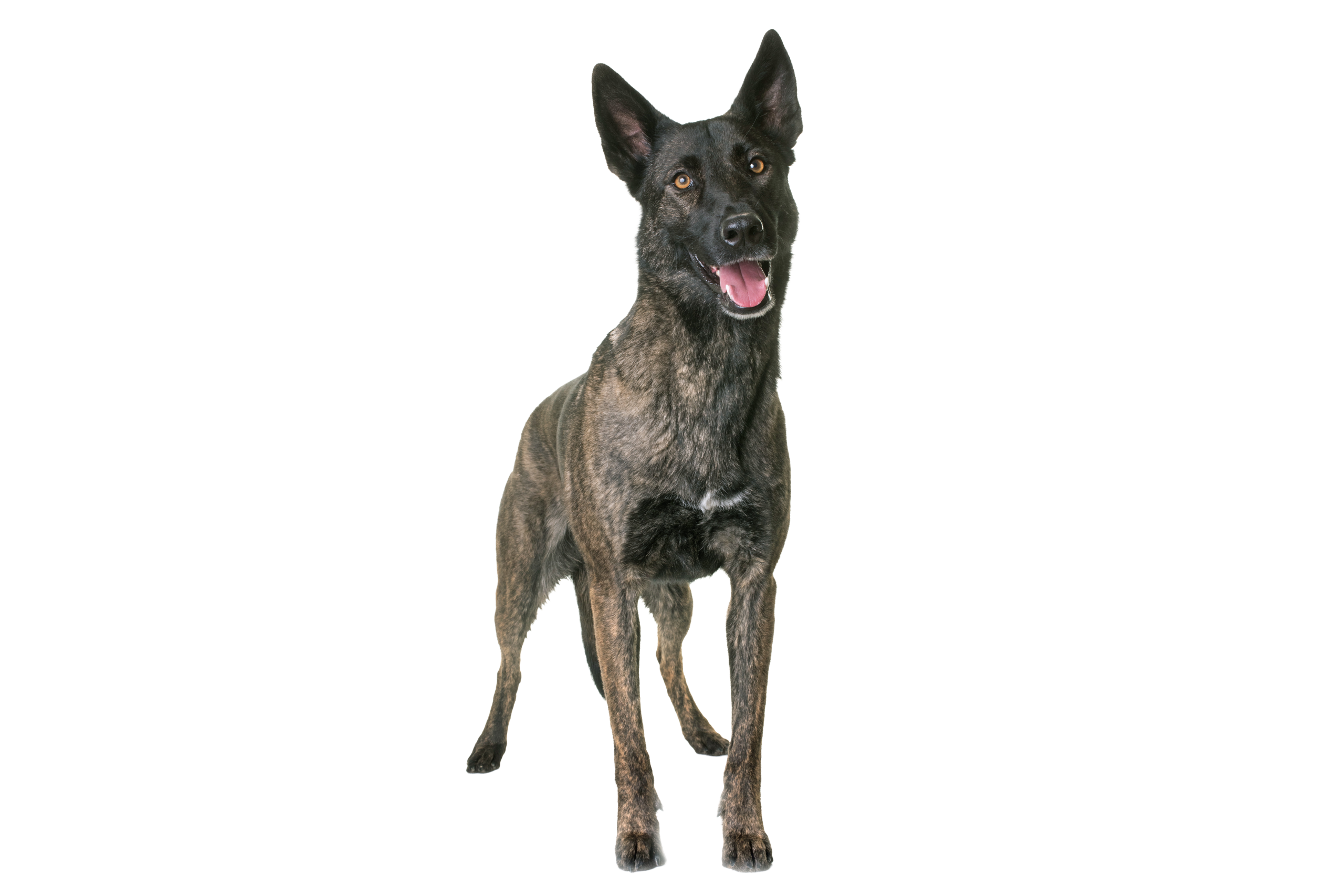

Weight
30-31 kg

Height
55-62 cm

Lifespan
12-14 years
What were Dutch Shepherds originally bred for?
Dutch Shepherds were developed in the Netherlands during the 18th century as hardworking, all-purpose farm dogs. They were mainly used to herd sheep, but they also guarded farms, pulled small carts, and kept chickens and other animals out of vegetable gardens.
Farmers valued them because they were intelligent, adaptable, and tough enough to handle a wide range of daily tasks. As farming became more modern in the 20th century, the need for traditional herding dogs declined, and the breed nearly disappeared, especially during and after World War II.
Fortunately, dedicated breeders preserved the Dutch Shepherd, and today, people highly respect the breed for its intelligence, stamina, and trainability. Police, military, and search-and-rescue teams now commonly use Dutch Shepherds, where their strong work ethic continues to shine.
Personality
Trainability level

Energy level
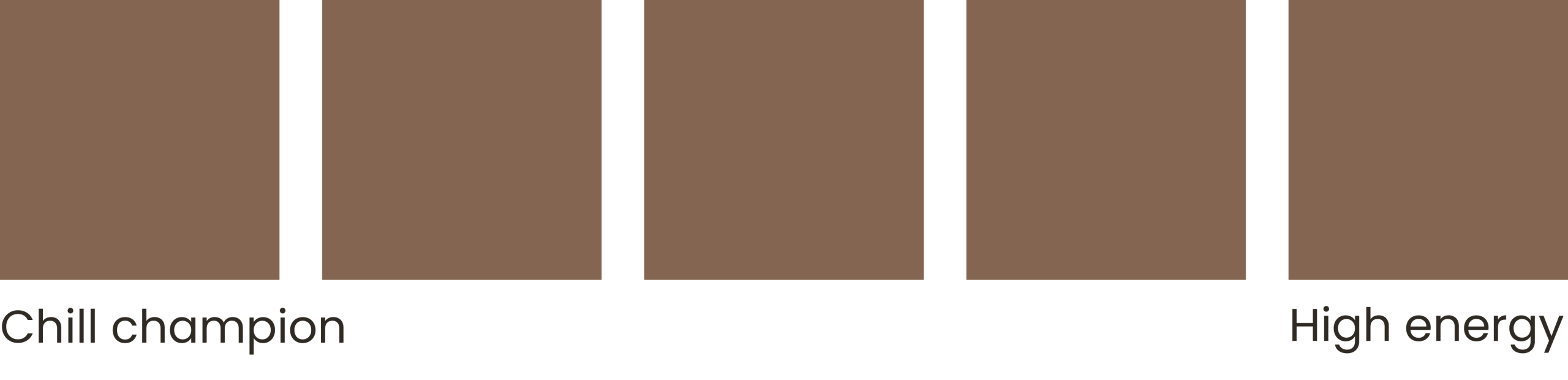
Barking level

Mental stimulation needs
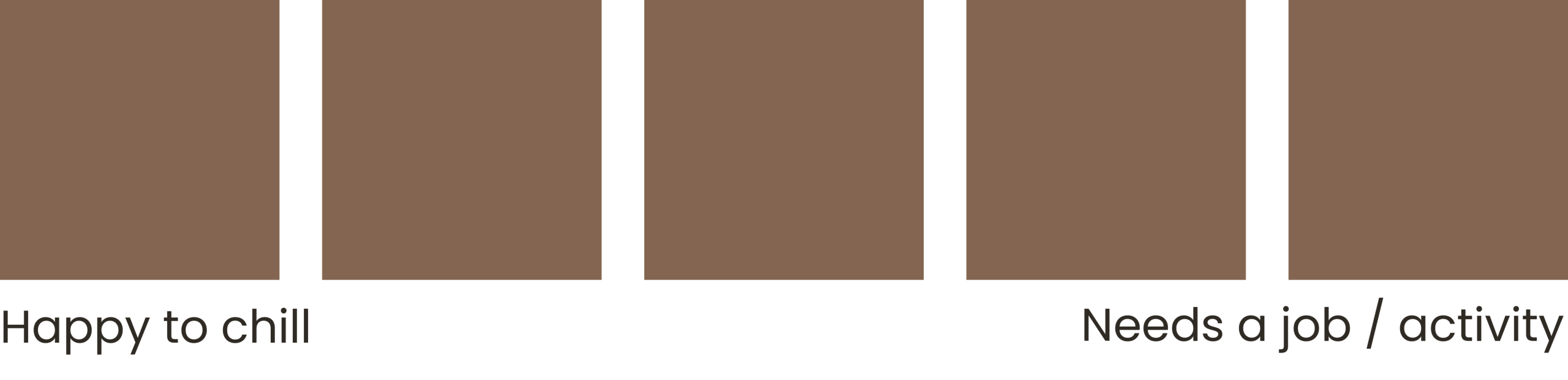
Family Life
Family affection

Compatibility with young children

Compatibility with other dogs

Social Traits
Stranger friendliness
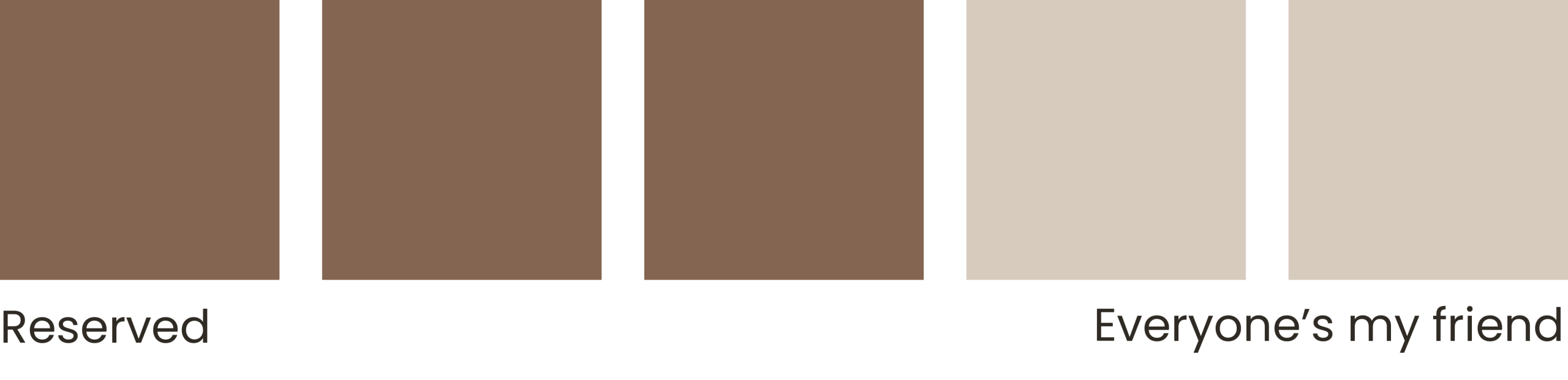
Playfulness level
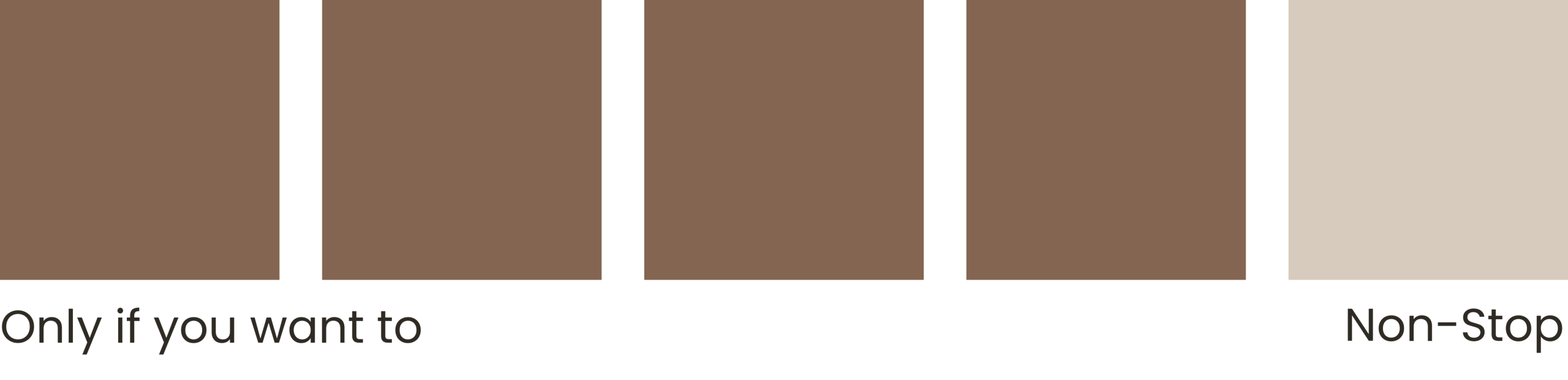
Protective instincts
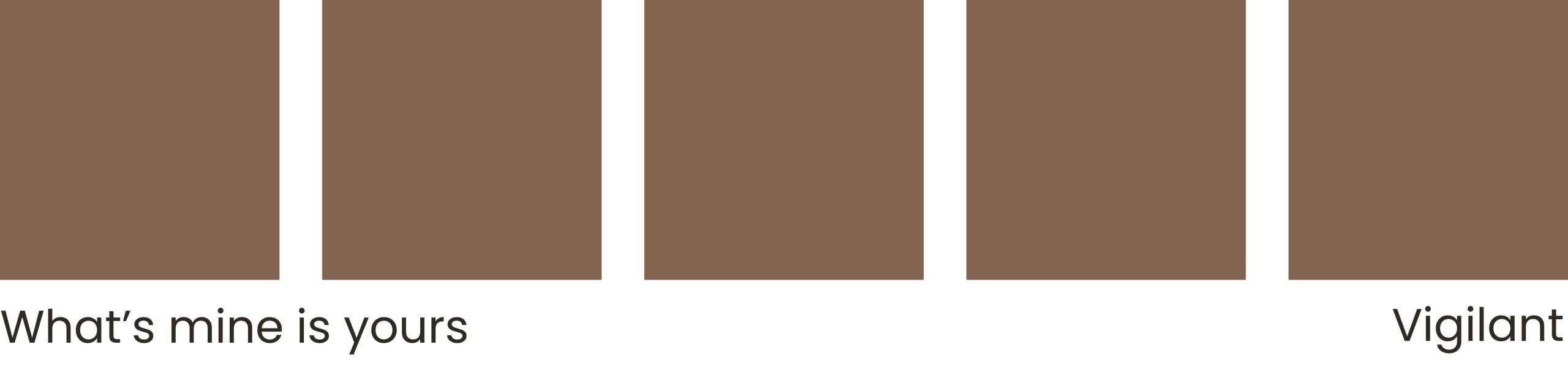
Adaptability level
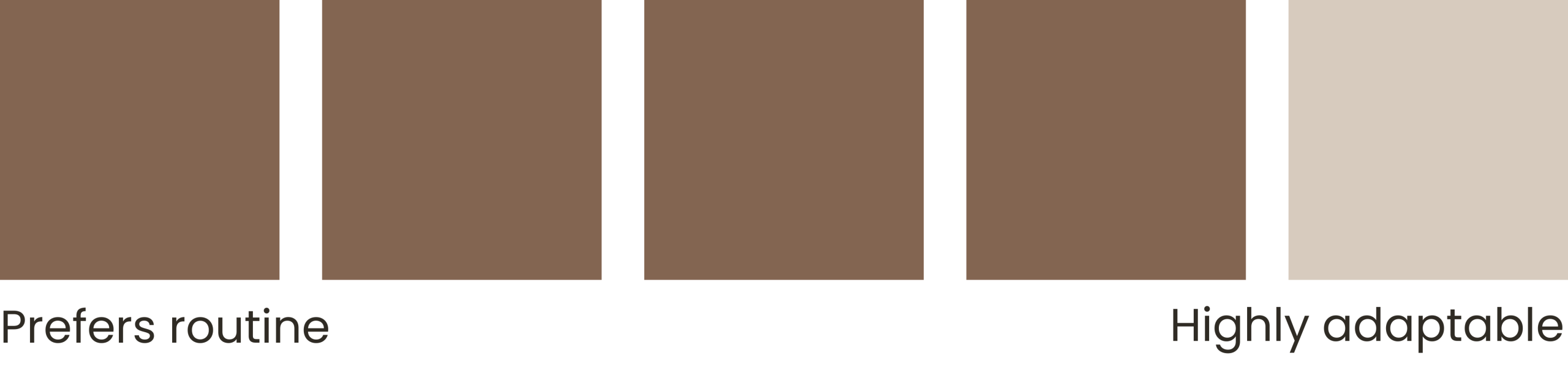
Physical Traits
Shedding level

Grooming frequency

Coat length & type
Double-coated and short, long or wire-haired
Common health problems
Dutch Shepherds are generally a healthy breed, partly because they are less common and have benefited from careful breeding practices in the Netherlands. Like all dogs, they can still develop certain inherited health conditions, so responsible breeders carry out health screenings before breeding.
Read more: How to Avoid Getting Scammed When Buying a Puppy in South Africa
Hip dysplasia should be tested for in all Dutch Shepherds, while long-haired dogs should also be screened for thyroid problems and wire-haired dogs for goniodysplasia, an eye condition.
Disclaimer: This information is based on average breed traits and data collected from various reputable sources. Every dog is unique and may differ from these general descriptions.