
Many people think that short-haired dogs require very little grooming because they don’t need regular haircuts. While it’s true that their coats are generally easier to maintain than long-haired breeds, they still benefit from a consistent grooming routine.
Regular grooming keeps your dog’s skin healthy, reduces shedding, improves coat condition, and allows you to spot potential health problems before they become serious.
Whether you own a lively German Shorthaired Pointer, a loyal Labrador Retriever, or an energetic Boxer, this guide will help you keep your short-haired dog looking and feeling its best.
What Is a Short-Haired Coat?
Short-haired dogs have smooth coats that lie close to the body and usually measure less than 2.5 cm in length. These coats rarely become tangled or matted, but they still shed loose hair and collect dirt, dust, and dead skin.
Some short-haired breeds shed lightly throughout the year, while others experience heavier seasonal shedding. Even breeds with sleek coats require regular brushing to remove loose hair and distribute natural skin oils that keep the coat healthy and shiny.
How Often Should You Groom a Short-Haired Dog?
Although grooming needs vary between breeds and lifestyles, most short-haired dogs thrive on a simple weekly routine.

Brush your dog once or twice a week to remove loose hair and keep the coat healthy. During seasonal shedding, you may need to brush more frequently to manage the extra hair.

Bathing every four to eight weeks is usually sufficient. Dogs that spend a lot of time hiking, swimming, or exploring muddy trails may need baths more often. Always choose a dog-specific shampoo that is gentle on the skin and suitable for your dog’s coat type.
Nails should be checked every few weeks and trimmed before they become too long. If you hear your dog’s nails clicking on hard floors, it’s usually time for a trim.

Ears should also be inspected weekly for redness, unpleasant odours, or excessive wax. Floppy-eared breeds may require more frequent ear cleaning because moisture can become trapped inside the ear canal.

Dental care should form part of every grooming routine. Brushing your dog’s teeth several times a week helps prevent plaque build-up, bad breath, and gum disease.
Choosing the Right Grooming Tools
Using the correct grooming tools makes caring for a short-haired coat much easier.
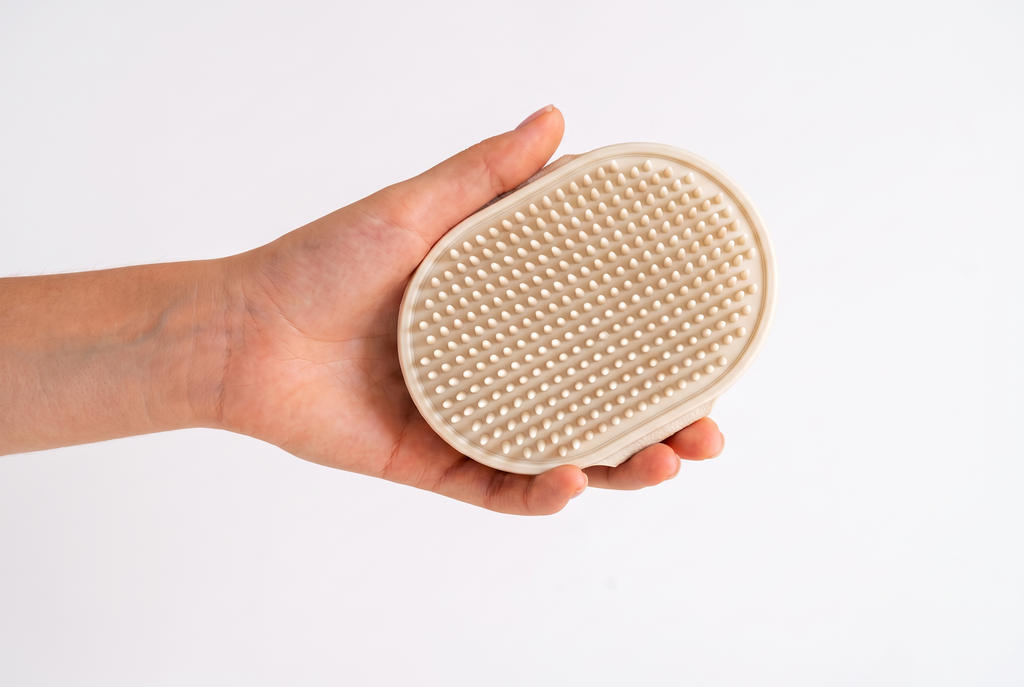
A rubber grooming mitt or curry brush is excellent for lifting loose hair while gently massaging the skin. Soft bristle brushes help smooth the coat and spread natural oils, leaving the fur clean and glossy.
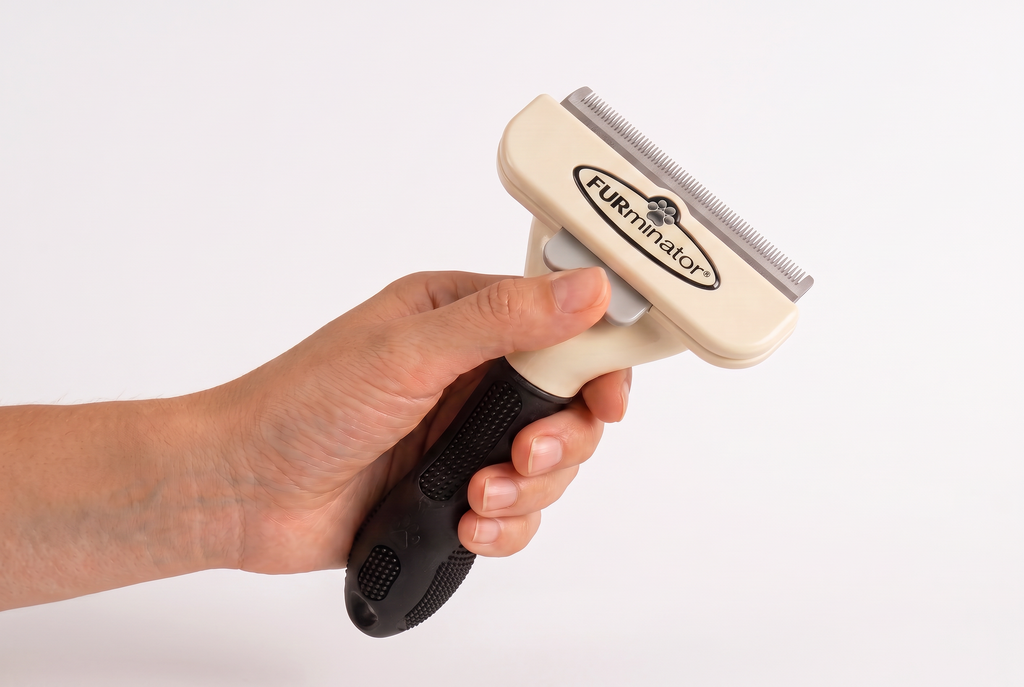
For short-haired breeds that shed heavily due to their double coat, a deshedding tool can help remove loose undercoat and reduce excessive shedding. To protect your dog’s coat and skin, use it gently and always follow the manufacturer’s instructions.
Keeping a quality dog shampoo, nail clippers or grinder, ear cleaner, toothbrush, toothpaste, and a towel in your grooming kit ensures you have everything needed for regular maintenance.
Managing Shedding
One of the biggest surprises for many new dog owners is how much some short-haired breeds shed. Although the hair is shorter, it can still cover clothing, furniture, and car seats.
Regular brushing remains the most effective way to control shedding. Feeding a balanced diet that contains high-quality protein and Omega-3 fatty acids also supports healthy skin and coat condition.
If your dog suddenly begins shedding excessively, develops bald patches, or shows signs of irritated skin, consult your veterinarian to rule out allergies, parasites, or underlying health conditions.
Read more: Why Omega-3 Is One of the Best Supplements for Your Dog’s Health
Don’t Forget Paw Care
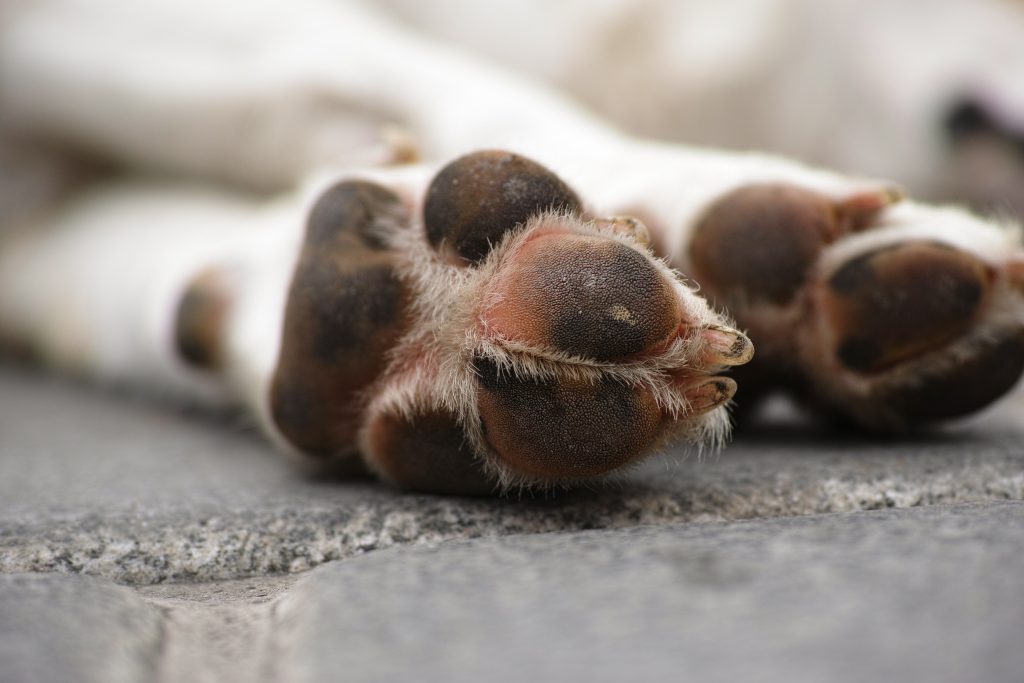
Your dog’s paws work hard every day, whether they’re walking on pavements, exploring rugged hiking trails, or running along South Africa’s sandy beaches.
After walks, inspect the paw pads for cuts, cracks, grass seeds, thorns, or small stones lodged between the toes. During hot summer months, avoid walking on scorching surfaces that can burn sensitive paw pads.
Applying a dog-safe paw balm can help keep the pads moisturised and protected, particularly during dry winter weather.
When Should You Visit a Professional Groomer?
Although short-haired dogs rarely require clipping, professional grooming still offers several benefits.
Professional groomers can provide a thorough bath, remove stubborn loose hair, trim nails safely, clean the ears, and perform a detailed skin and coat inspection. They are often the first to notice abnormalities that may require veterinary attention.
Scheduling a professional grooming appointment every six to eight weeks can help maintain your dog’s coat while supporting their overall health.
Final Thoughts
A short-haired coat may be easier to maintain than a long one, but regular grooming is still essential. Weekly brushing, routine bathing, nail trimming, ear care, dental hygiene, and paw checks all contribute to a healthier, happier dog.
By following a consistent grooming routine, you’ll reduce shedding around your home, improve your dog’s coat condition, and strengthen the bond you share. Whether your companion spends weekends hiking through the mountains or relaxing at home, proper grooming helps them stay comfortable and healthy throughout every season.