
Long-haired dogs are admired for their beautiful, flowing coats, but keeping them healthy requires more than occasional brushing. Without regular grooming, long coats can quickly become tangled, matted, and uncomfortable, leading to skin irritation and even infections.
A consistent grooming routine keeps your dog’s coat clean, prevents painful mats, reduces shedding, and allows you to detect skin problems, parasites, or injuries early.
Whether you own a playful Golden Retriever, an elegant Afghan Hound, or a friendly Border Collie, this guide will help you maintain a healthy, beautiful coat year-round.
What Is a Long-Haired Coat?
Long-haired dogs have coats that continue growing well beyond the body’s surface, often forming feathering around the legs, chest, ears, tail, and underbelly. Depending on the breed, the coat may be silky, wavy, straight, or dense.
Unlike short-haired breeds, long coats are more likely to trap dirt, grass seeds, burrs, and loose undercoat. If not brushed regularly, these can develop into tight mats that pull on the skin and become painful for your dog.
Many long-haired breeds also have double coats, meaning they shed heavily during seasonal coat changes.
How Often Should You Groom a Long-Haired Dog?
Long-haired dogs benefit from frequent grooming to keep their coats free from tangles and mats.

Brush your dog at least three to four times a week, although breeds with continuously growing or particularly thick coats may need daily brushing. Regular brushing removes loose hair, prevents knots, and distributes natural oils throughout the coat.

Bathing every four to six weeks is suitable for most long-haired breeds. Dogs that enjoy swimming, hiking, or spending time outdoors may need baths more often. Always use a dog-specific shampoo and conditioner that suits your dog’s coat type.

Check your dog’s nails every few weeks and trim them before they become too long. Nails that click on hard floors usually need attention.

Inspect your dog’s ears weekly for redness, unpleasant odours, or excess wax. Long-haired and floppy-eared breeds are more prone to ear infections because moisture and debris can become trapped inside the ear canal.

Dental care should also be part of your grooming routine. Brushing your dog’s teeth several times a week helps reduce plaque, freshen breath, and support long-term oral health.
Choosing the Right Grooming Tools
The right grooming equipment makes maintaining a long coat much easier.
A slicker brush is ideal for removing loose hair and preventing tangles, while a metal comb helps work through feathering and reach areas close to the skin where mats often begin.
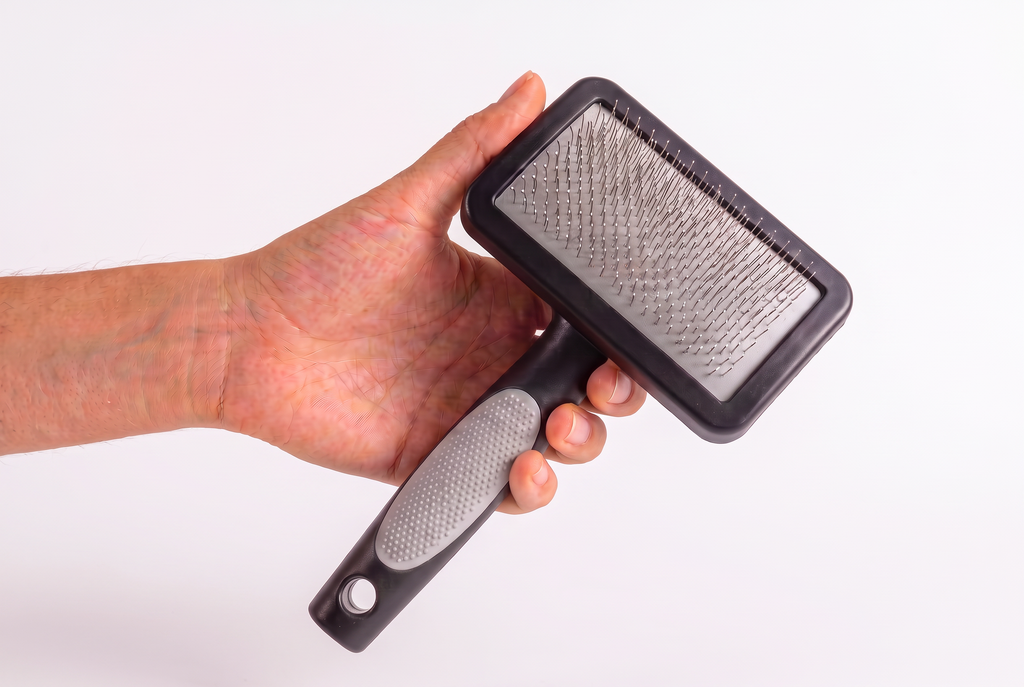
For double-coated long-haired breeds, an undercoat rake can help remove loose undercoat during shedding seasons. Use it gently and always follow the manufacturer’s instructions to avoid damaging the coat.
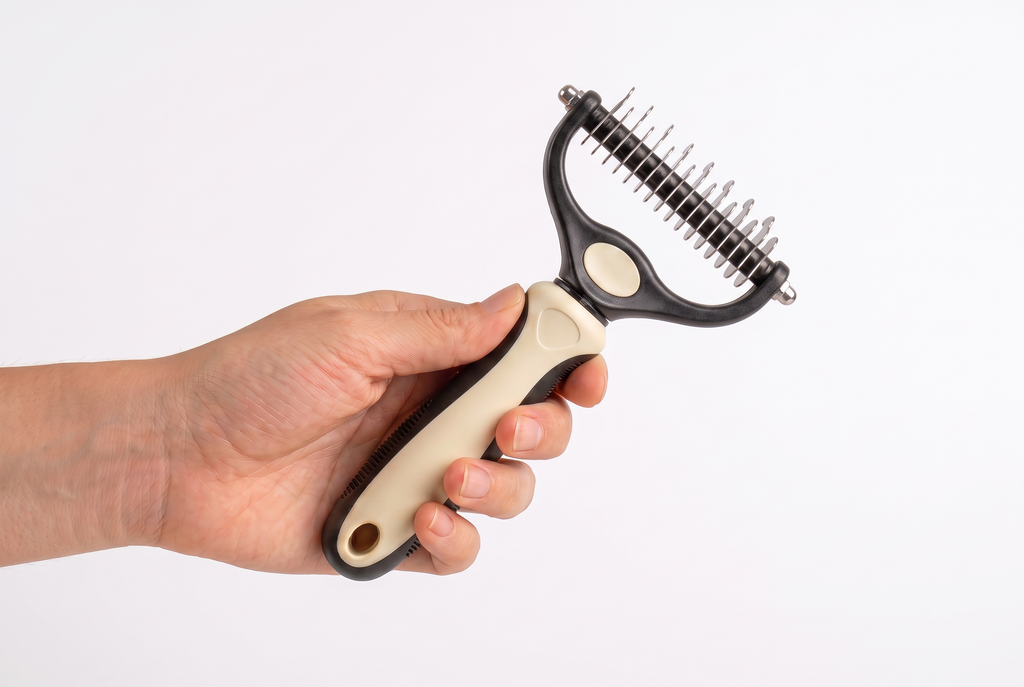
Keeping a quality dog shampoo, nail clippers or grinder, ear cleaner, toothbrush, toothpaste, and a towel in your grooming kit ensures you have everything needed for regular maintenance.
Preventing Mats and Tangles
Mats are one of the biggest challenges for owners of long-haired dogs. They commonly develop behind the ears, under the collar, between the legs, around the tail, and under the armpits, where friction occurs.
Frequent brushing is the best way to prevent mats from forming. Small tangles are much easier to remove than large, tightly packed mats that may require clipping.
Never attempt to remove mats with household scissors, as they can easily slip and injure your dog’s skin. If the matting is severe, consult a professional groomer who has the proper tools and expertise to remove it safely.
Managing Shedding
Many long-haired breeds shed throughout the year, with heavier shedding during seasonal coat changes.
Regular brushing removes loose fur before it ends up on your furniture and clothing while helping maintain a healthy coat. Feeding a balanced diet rich in high-quality protein and Omega-3 fatty acids also supports healthy skin and reduces excessive shedding.
If your dog develops bald patches, persistent itching, or unusually heavy shedding, consult your veterinarian to rule out allergies, parasites, or underlying medical conditions.
Read more: Why Omega-3 Is One of the Best Supplements for Your Dog’s Health
Don’t Forget Paw Care
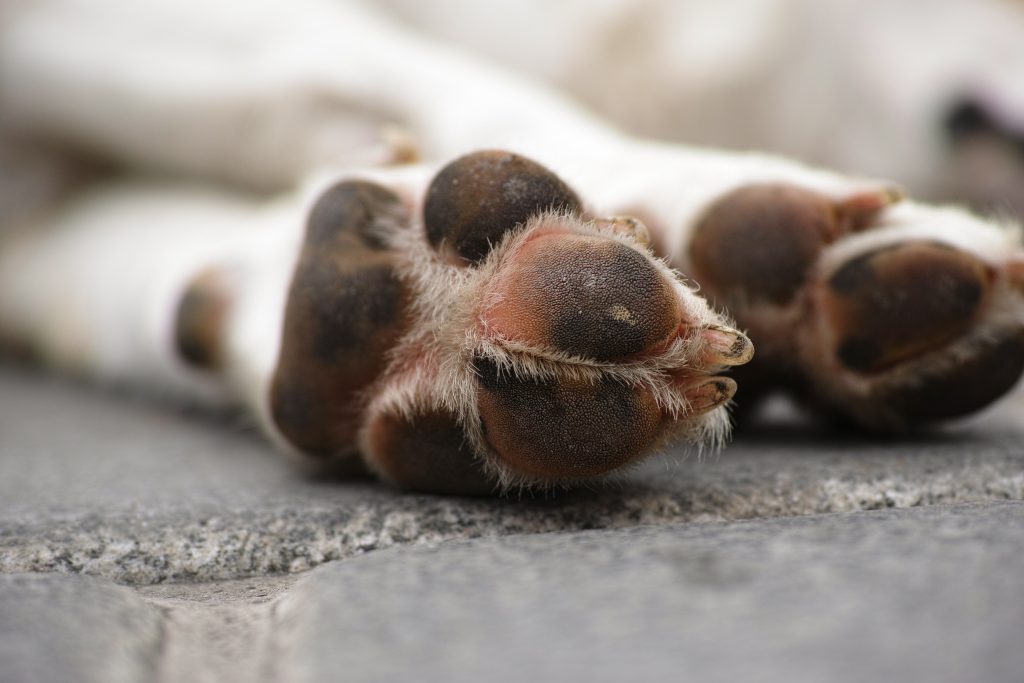
Your dog’s paws work hard every day, especially when walking on pavements, rough hiking trails, or sandy beaches across South Africa.
Long-haired dogs often grow hair between their paw pads, where grass seeds, burrs, mud, and small stones can easily become trapped. Check the paws after walks and carefully remove any debris.
Trim excess hair between the paw pads if necessary to improve grip and reduce matting. Applying a dog-safe paw balm can also help protect the pads from dry winter conditions and hot summer surfaces.
When Should You Visit a Professional Groomer?
Many long-haired breeds benefit from regular visits to a professional groomer.
Professional groomers can safely remove mats, trim sanitary areas, tidy feathering, clip nails, clean ears, and provide breed-specific grooming that helps keep the coat manageable.
Depending on your dog’s breed and coat growth, booking a professional grooming appointment every four to eight weeks can make home maintenance much easier while keeping your dog comfortable.
Final Thoughts
A long-haired coat requires commitment, but regular grooming is one of the best ways to keep your dog healthy and comfortable. Frequent brushing, routine bathing, nail trimming, ear care, dental hygiene, and paw checks all help prevent common coat and skin problems.
By following a consistent grooming routine, you’ll reduce matting, minimise shedding, and keep your dog’s coat looking its best throughout the year. Whether your companion enjoys hiking through South Africa’s countryside or relaxing at home, proper grooming ensures they stay happy, healthy, and ready for every adventure.