
Double-coated dogs are known for their thick, luxurious coats that keep them comfortable in both hot and cold weather. While these coats are incredibly effective at regulating body temperature, they also require regular maintenance to stay healthy.
Without regular grooming, dead undercoat can build up beneath the outer coat. This can lead to excessive shedding, matting, poor airflow, and skin problems. Regular brushing removes loose undercoat, improves air circulation, and keeps the coat healthy. It also reduces loose fur around your home and helps your dog stay comfortable through South Africa’s changing seasons.
Whether you own a playful Siberian Husky, a loyal Golden Retriever, or an energetic German Shepherd, this guide covers everything you need to know about grooming a double-coated dog.
What Is a Double Coat?
A double coat consists of two distinct layers of fur. The outer coat, often called the guard coat, is made up of longer, coarser hairs that repel dirt, water, and harmful UV rays while protecting your dog from scratches and harsh weather.
Beneath this lies the soft, dense undercoat, which acts as insulation. It helps keep your dog warm during winter and cool during summer by trapping air close to the body.
Many owners mistakenly believe that shaving a double-coated dog will help them stay cooler in hot weather. In reality, the coat is designed to regulate body temperature naturally. Shaving can permanently damage the coat, interfere with its ability to insulate, and increase the risk of sunburn and overheating.
How Often Should You Groom a Double-Coated Dog?
Double-coated dogs need regular brushing to remove loose undercoat and prevent it from becoming compacted.
Brush your dog at least two to three times a week throughout the year to remove loose undercoat and keep the coat healthy. During seasonal shedding, often referred to as “blowing the coat”, daily brushing is often needed to manage the increased amount of loose fur and prevent it from building up in the coat.

Bathing every six to eight weeks is usually sufficient for most breeds. Dogs that enjoy hiking, swimming, or muddy adventures may need baths more frequently. Always use a gentle dog-specific shampoo that won’t strip the coat’s natural protective oils.
Check your dog’s nails every few weeks and trim them before they become too long. Nails that click against hard floors usually need attention.

Inspect the ears weekly for redness, unpleasant odours, or excess wax. Some double-coated breeds have upright ears, while others have floppy ears that may require more frequent cleaning.

Dental care should also be part of your regular grooming routine. Brushing your dog’s teeth several times a week helps prevent plaque build-up, bad breath, and gum disease.
Choosing the Right Grooming Tools
Using the right tools makes managing a double coat much easier.
A slicker brush works well for removing loose surface hair, while an undercoat rake helps lift dead undercoat before it becomes trapped beneath the outer coat.
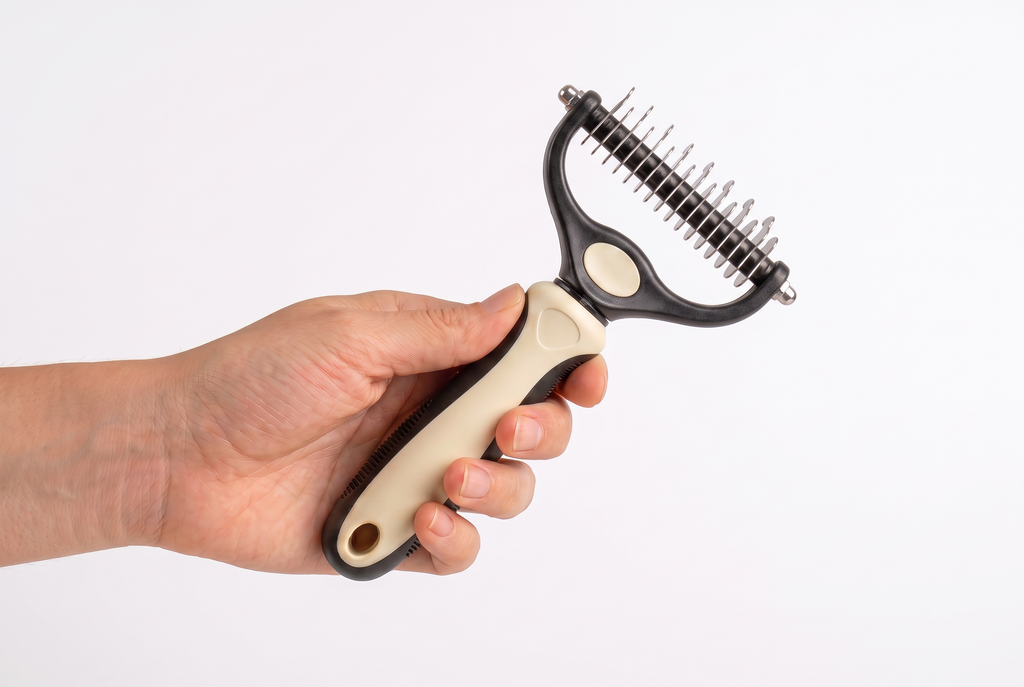
A metal comb is useful for checking areas where the coat is particularly thick, including behind the ears, around the tail, and under the legs.
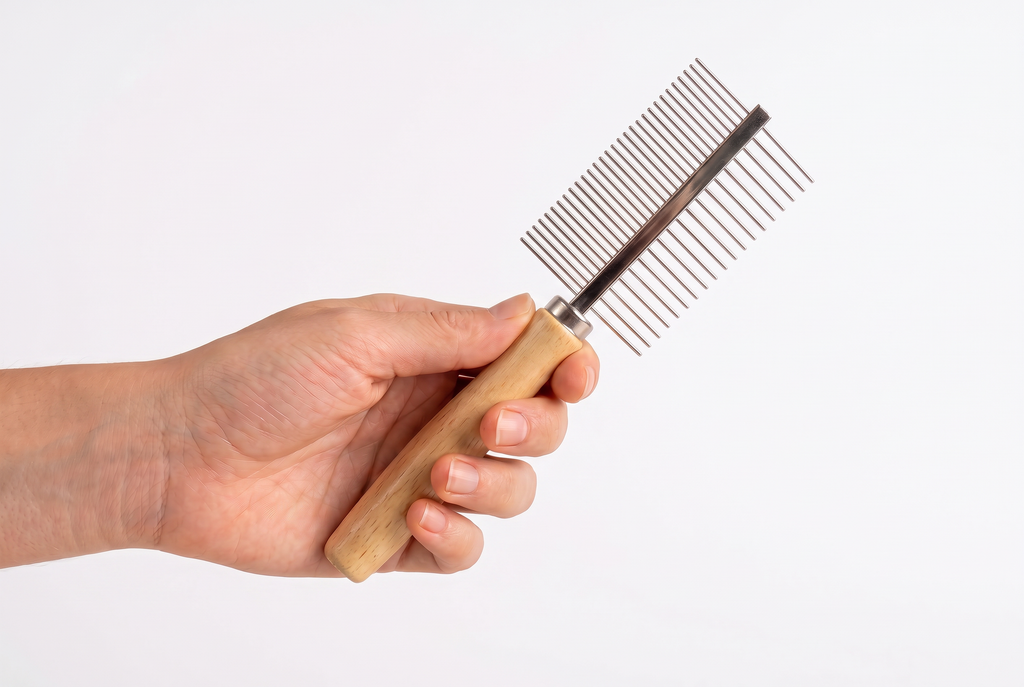
For heavy seasonal shedding in short-haired dogs, a deshedding tool helps remove loose undercoat more effectively. Always use these tools gently and follow the manufacturer’s instructions, as excessive use can damage the guard hairs.
Your grooming kit should also include a quality dog shampoo, conditioner if appropriate for your dog’s coat, nail clippers or grinder, ear cleaner, toothbrush, toothpaste, and several absorbent towels.
Managing Seasonal Shedding
Double-coated dogs often shed throughout the year, with much heavier shedding during spring and autumn as they transition between seasonal coats.
This natural process can produce surprising amounts of loose fur around your home.
Frequent brushing is the most effective way to manage seasonal shedding. Removing loose undercoat before it falls out naturally helps reduce hair on furniture while improving airflow through the coat.
A balanced diet rich in high-quality protein and Omega-3 fatty acids also supports healthy skin and coat condition.
If your dog begins shedding excessively outside normal seasonal changes or develops bald patches, irritated skin, or persistent itching, consult your veterinarian to rule out allergies, parasites, or other medical conditions.
Read more: Why Omega-3 Is One of the Best Supplements for Your Dog’s Health
Don’t Shave a Double Coat
One of the biggest misconceptions about double-coated breeds is that shaving them helps them cope with South Africa’s hot summers.
In most cases, shaving is not recommended unless advised by a veterinarian for medical reasons.
The outer coat protects your dog from direct sunlight, while the undercoat helps regulate body temperature. Shaving both layers reduces the coat’s natural ability to regulate body temperature, exposes the skin to harmful UV rays, and can cause the coat to grow back unevenly or become permanently altered.
Instead of shaving, focus on regular brushing to remove loose undercoat and improve air circulation.
Don’t Forget Paw Care
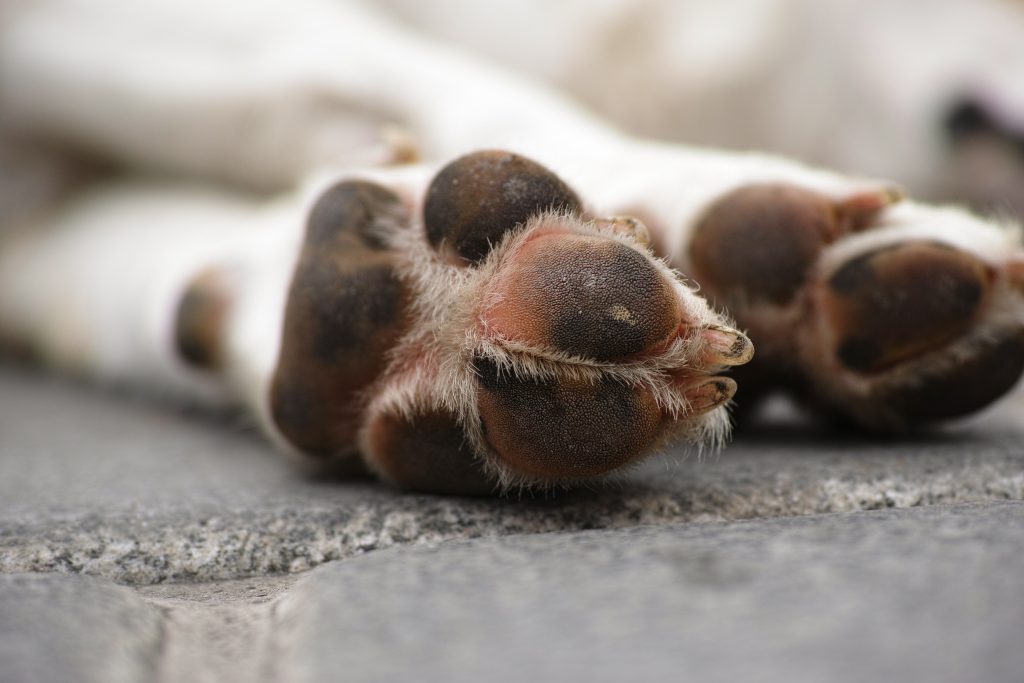
Your dog’s paws deserve attention too, particularly if they spend time hiking, running on the beach, or walking on hot pavements.
After walks, inspect the paw pads for cuts, cracks, grass seeds, thorns, or small stones. Long-haired double-coated breeds may also grow hair between their paw pads, which can trap debris and reduce traction.
Applying a dog-safe paw balm can help protect the pads from dry winter weather and hot summer surfaces.
When Should You Visit a Professional Groomer?
Professional grooming can make caring for a double-coated dog much easier.
A professional groomer can thoroughly remove loose undercoat, provide a deep bath and blow-dry, trim nails, clean ears, and inspect the skin for any abnormalities. Many also offer specialised de-shedding treatments that help reduce loose hair without damaging the coat.
Booking a professional grooming appointment every six to eight weeks, with additional de-shedding sessions during heavy moulting seasons, can help keep your dog’s coat healthy and manageable.
Final Thoughts
A double coat is designed to protect your dog in every season, but it only works properly when it’s well-maintained. Regular brushing, routine bathing, nail trimming, ear care, dental hygiene, and paw checks all contribute to a healthier coat and a happier dog.
By following a consistent grooming routine and avoiding unnecessary shaving, you’ll reduce shedding, maintain a healthy coat, and help your dog stay comfortable in every season.
Whether your dog loves mountain hikes, beach adventures, or simply relaxing at home, proper grooming allows their double coat to protect and regulate their body temperature exactly as nature intended.