
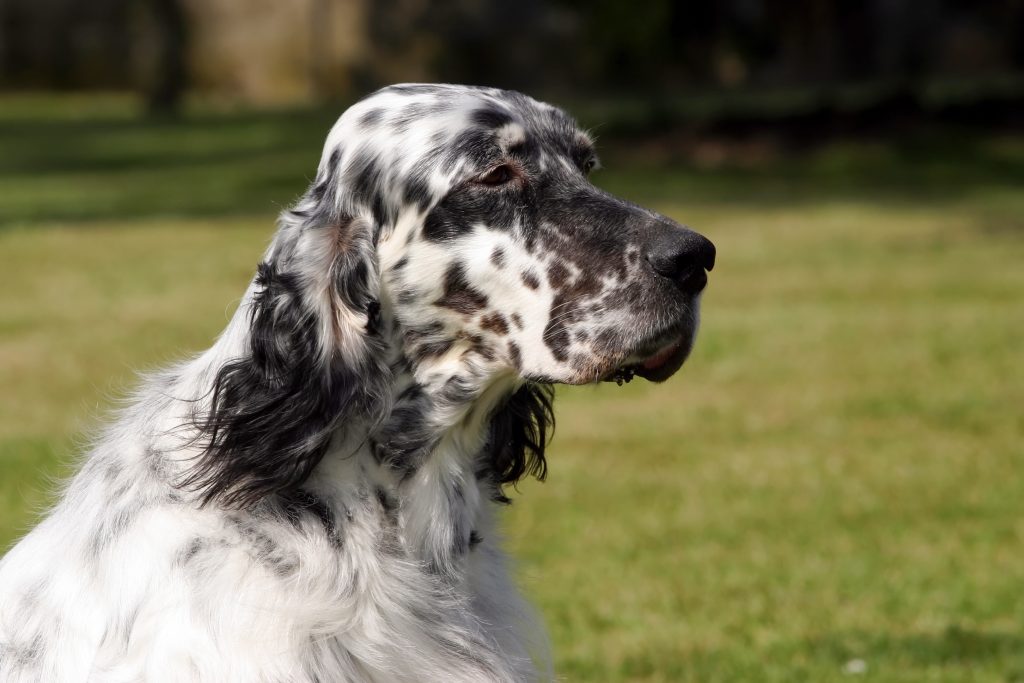
English Setter
English Setters were originally bred more than 400 years ago to help hunters find upland game birds.
You may notice a few stray hairs on your clothes or blankets, but there are no seasonal “hairstorms.”
English Setters were originally bred more than 400 years ago to help hunters find upland game birds.
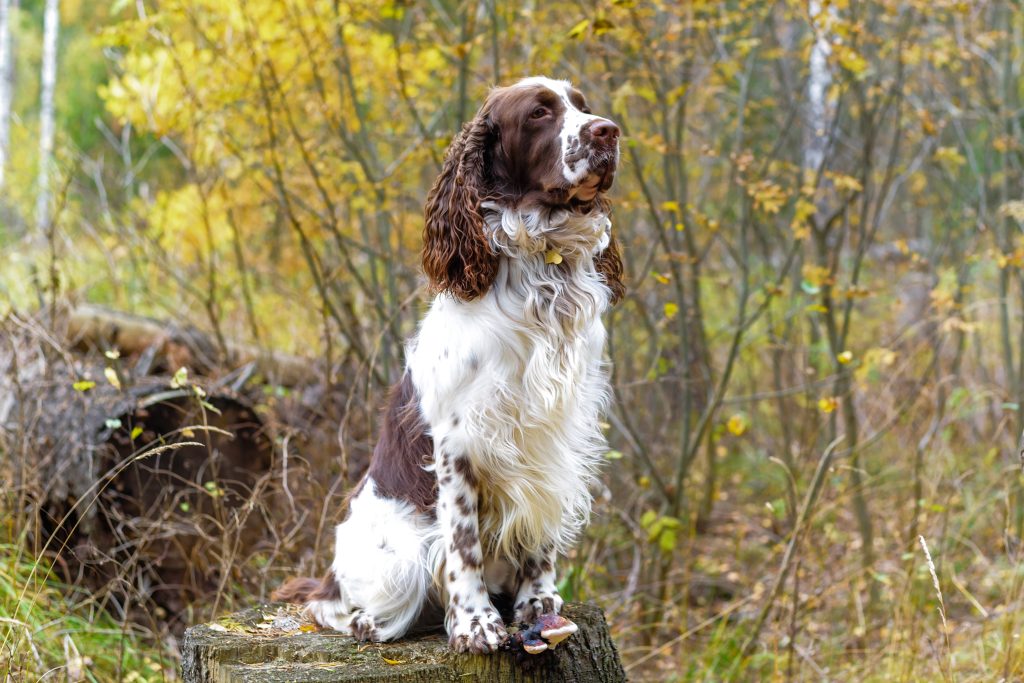
English Springer Spaniels were originally bred as versatile hunting companions whose main job was to flush game birds.

German Shorthaired Pointers were first bred in 19th-century Germany to be versatile all-round hunting dogs.
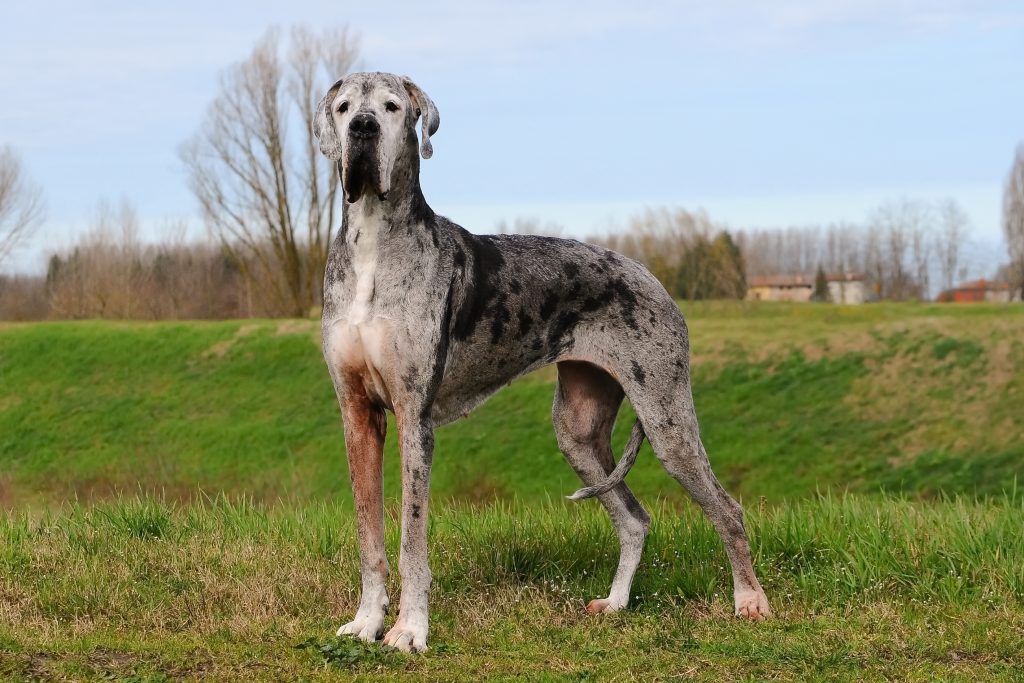
Originally bred to hunt large animals like wild boars, Great Danes were valued for their strength, speed, and bravery.
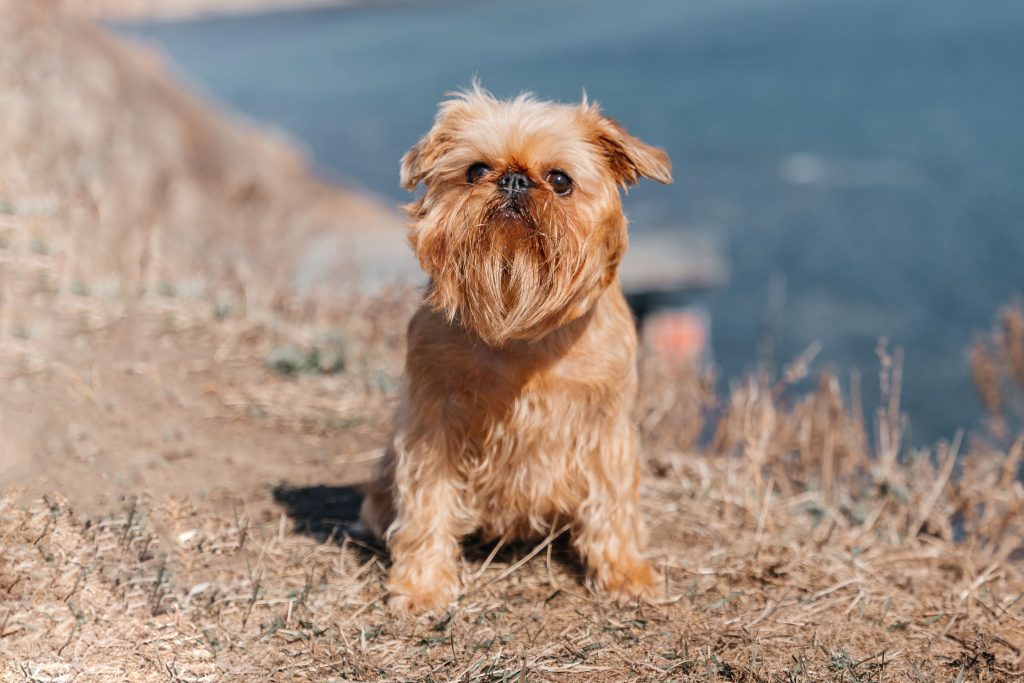
The Griffon Bruxellois, also known as the Brussels Griffon, originated in Belgium to hunt and control rodents in stables.
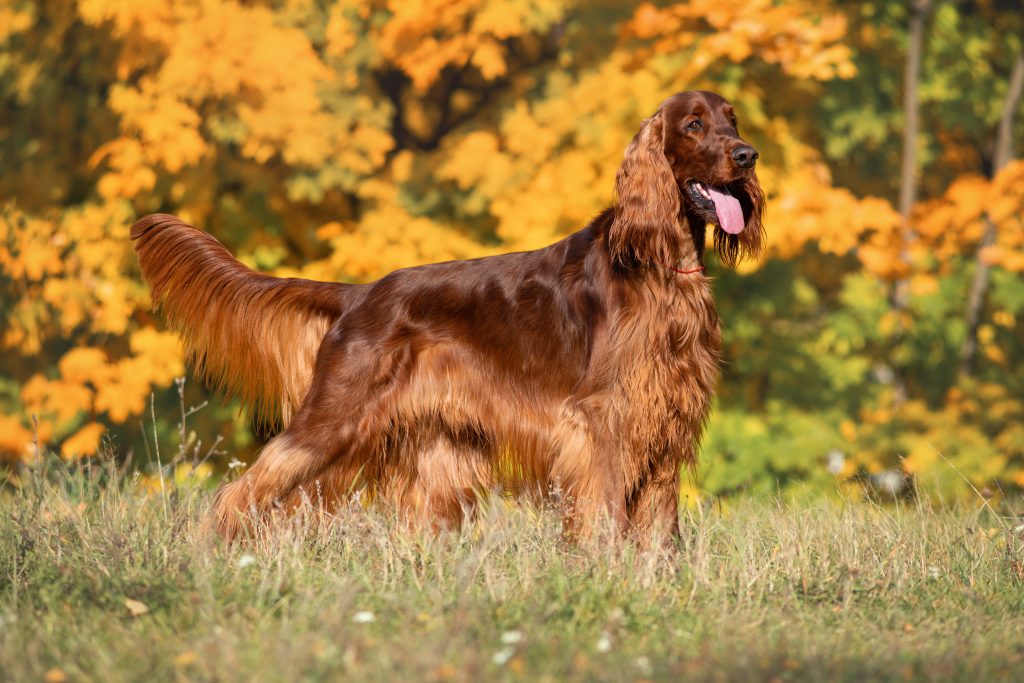
Irish Setters were originally bred in 18th-century Ireland as skilled hunting dogs with an excellent sense of smell.
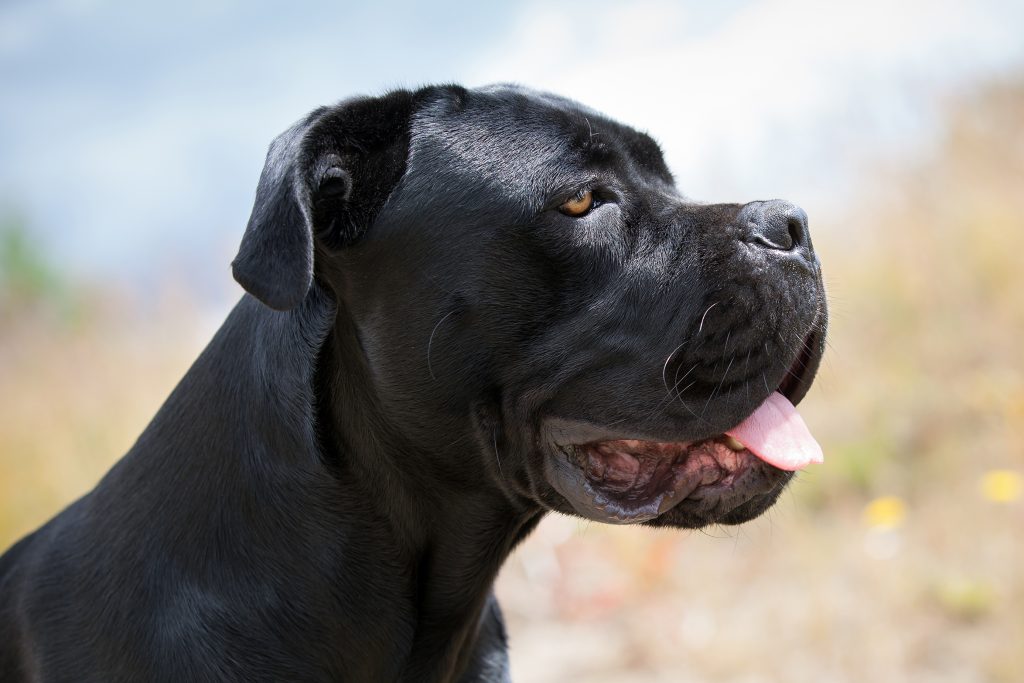
The Italian Cane Corso was originally developed in Italy as a hardworking farm dog that could handle a variety of tasks.
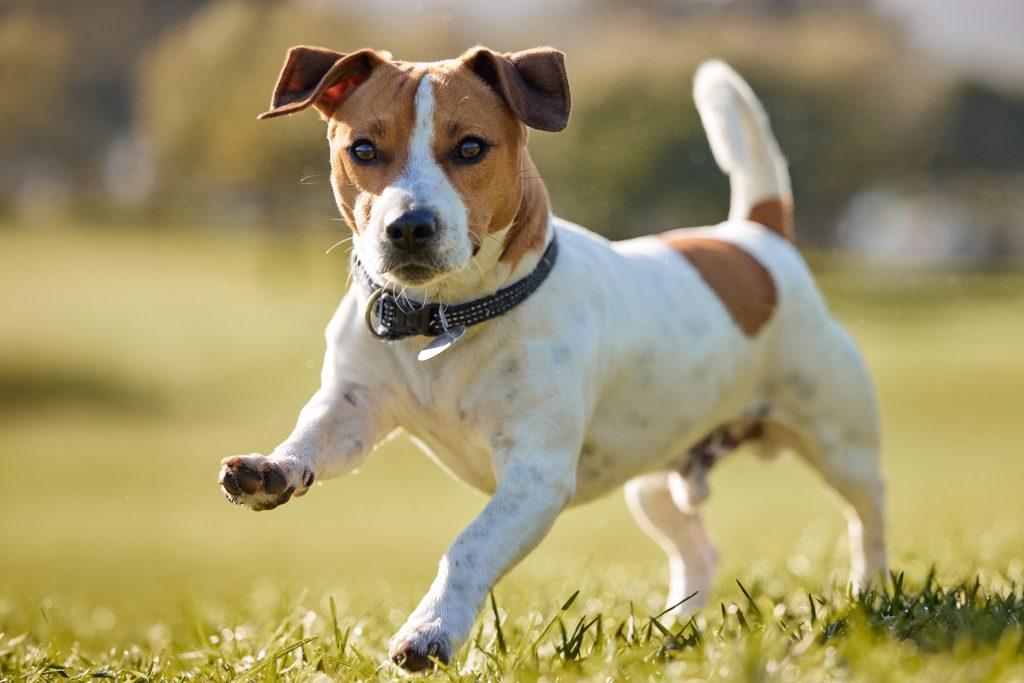
The Jack Russell Terrier was originally bred as a hunting dog, especially for fox hunting in England during the 1800s.

Old English Sheepdogs were originally bred in England during the 1800s to help farmers manage and move livestock.
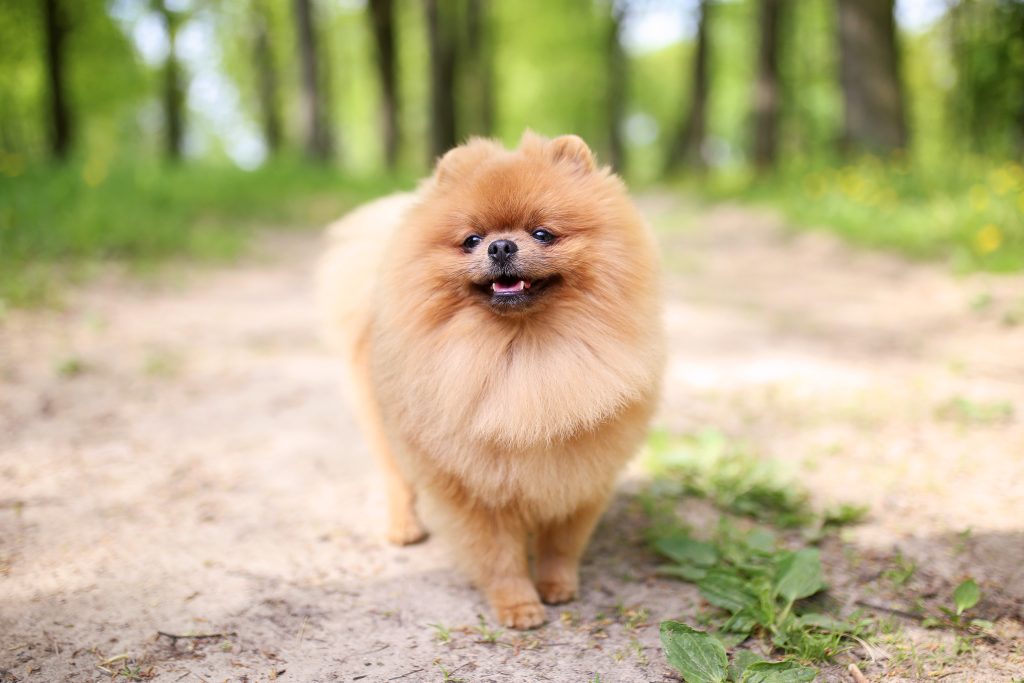
Pomeranians were much larger, and by the early 1900s, they had become firmly established as a beloved companion dog.
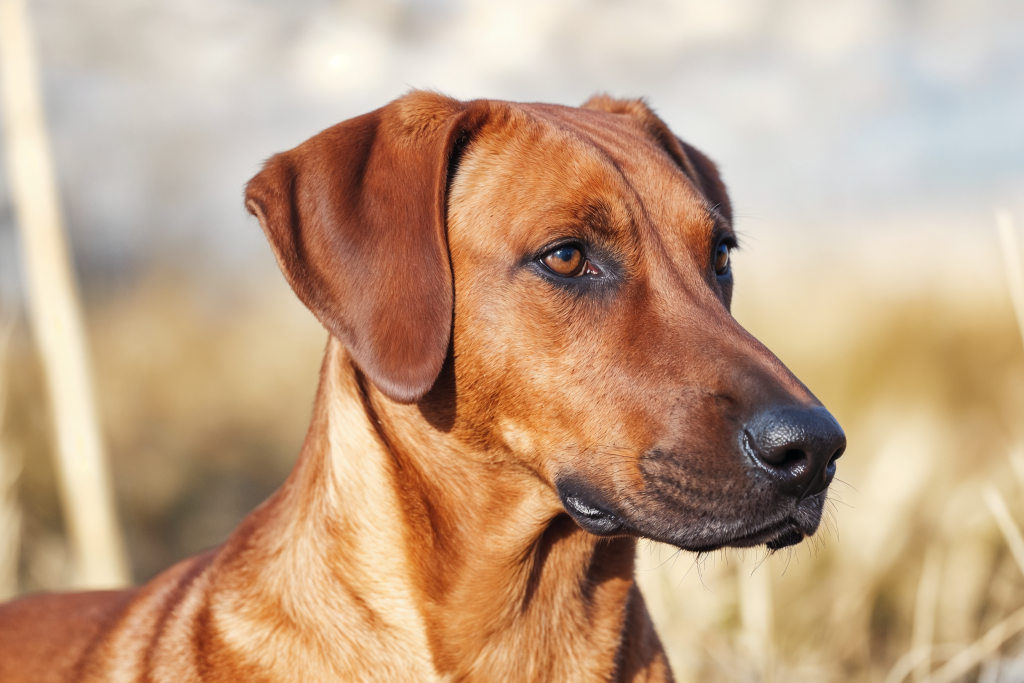
The Rhodesian Ridgeback was originally bred in Southern Africa in the late 1800s to track large game, including lions.

Originally bred by the Romans, Rottweilers herded livestock, pulled carts, guard camps, and protect travelling merchants.
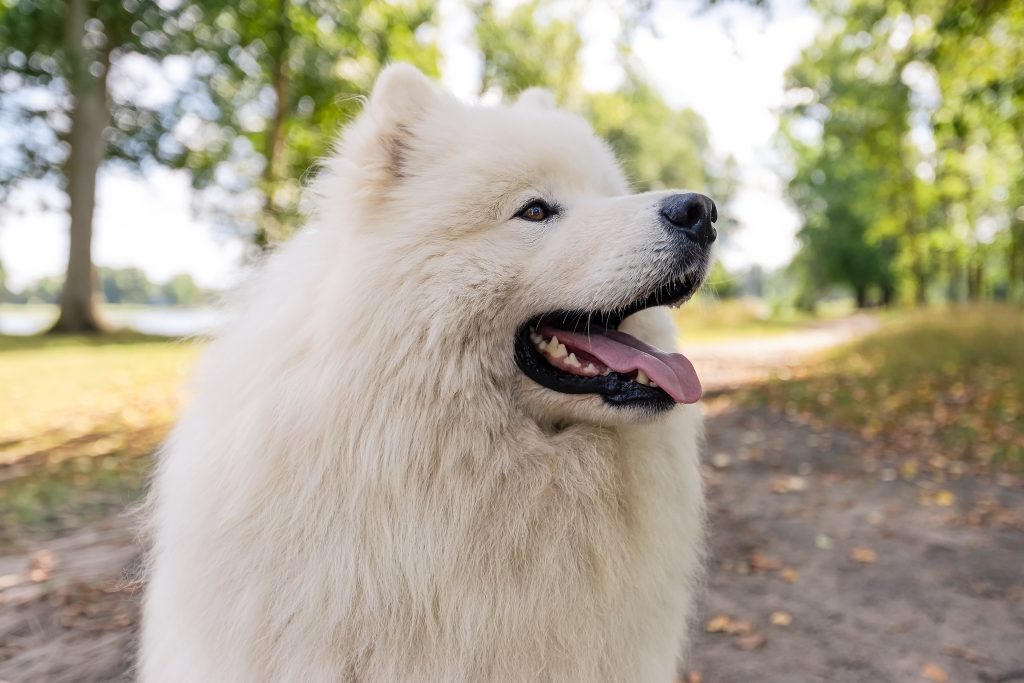
Samoyeds were bred for herding reindeer, pulling sledges, hunting, and helping their owners survive the harsh Arctic climate.
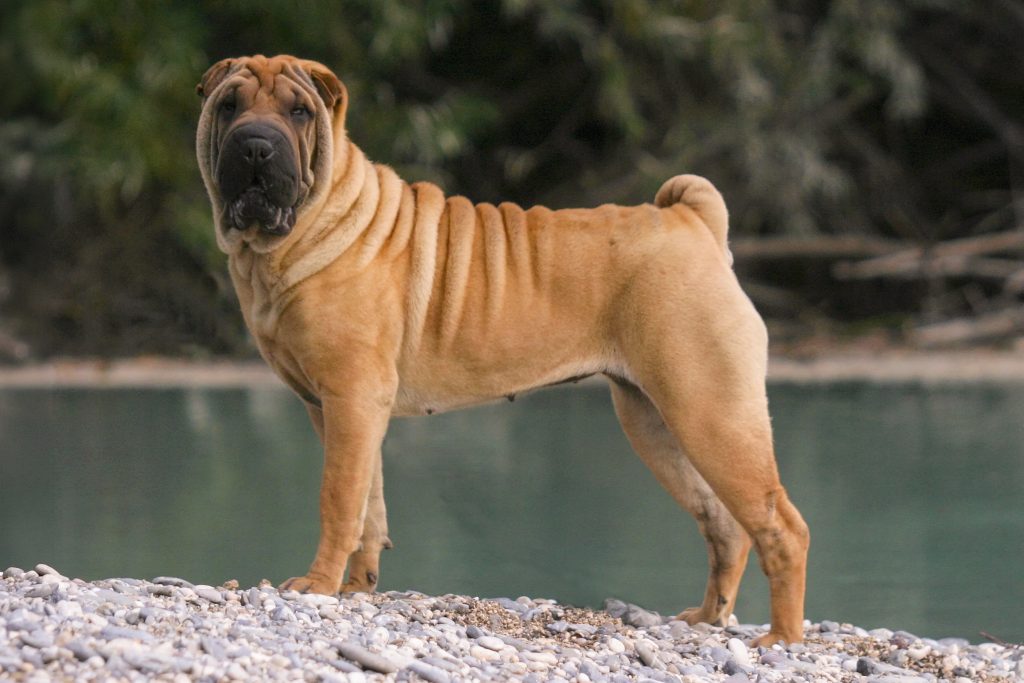
Shar Peis were originally bred in ancient China as hardworking farm dogs that helped with a variety of tasks.
