
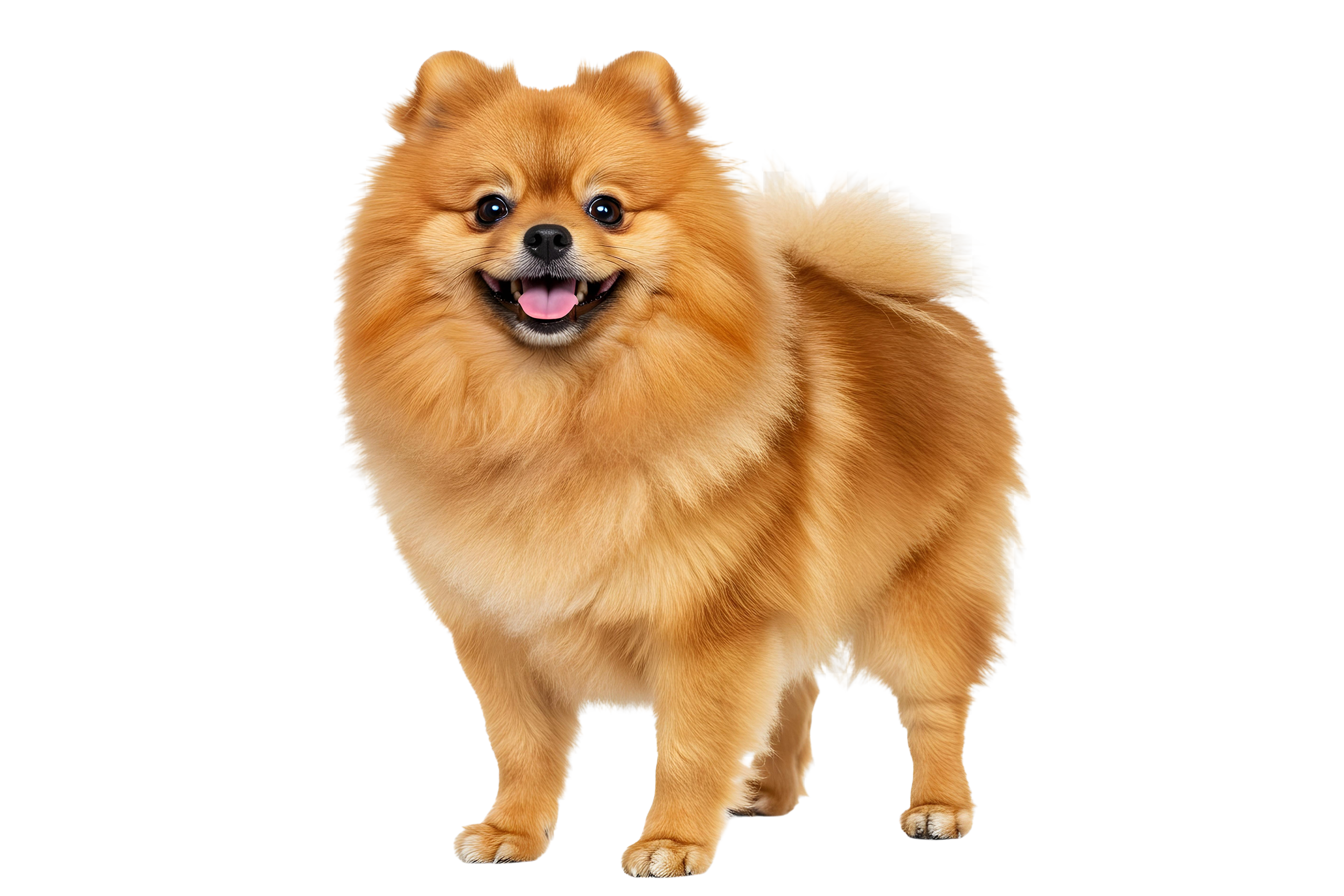

Weight
2-3 kg

Height
22-28 cm

Lifespan
12-15 years
What were Pomeranians originally bred for?
Pomeranians were not always the tiny companion dogs we know today. Their ancestors were much larger, weighing around 13 kg, and were bred for hard work such as herding livestock, pulling sledges, and guarding property.
The breed gradually became a favourite among European royalty, especially in England. Queen Victoria played a major role in shaping the Pomeranian we know today by promoting smaller dogs, owning many of them, and helping make the toy-sized variety fashionable.
By the early 1900s, the small, fluffy Pomeranian had become firmly established as a beloved companion dog.
Personality
Trainability level

Energy level

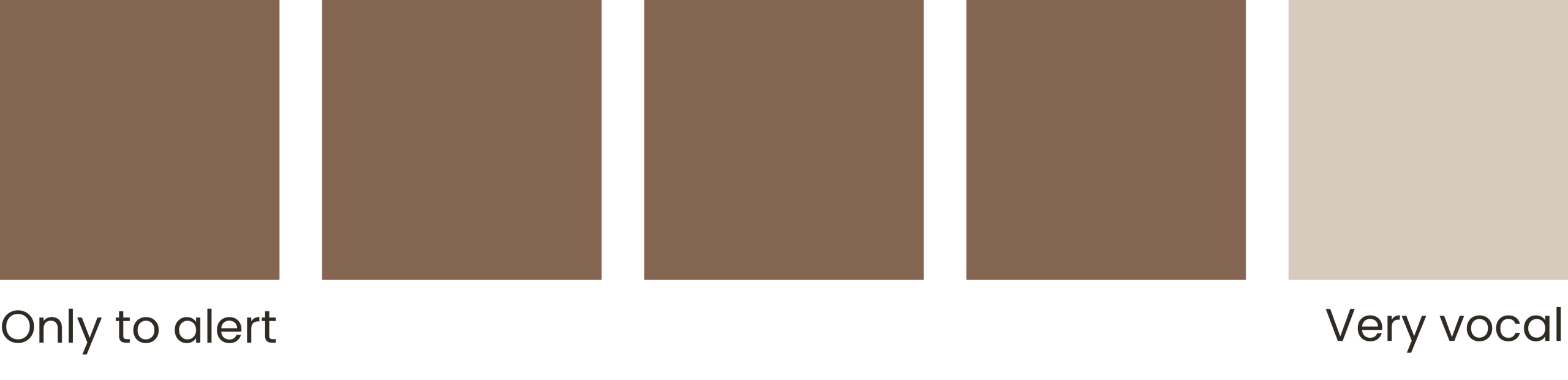
Barking level
Mental stimulation needs

Family Life
Family affection

Compatibility with young children

Compatibility with other dogs

Social Traits
Stranger friendliness

Playfulness level
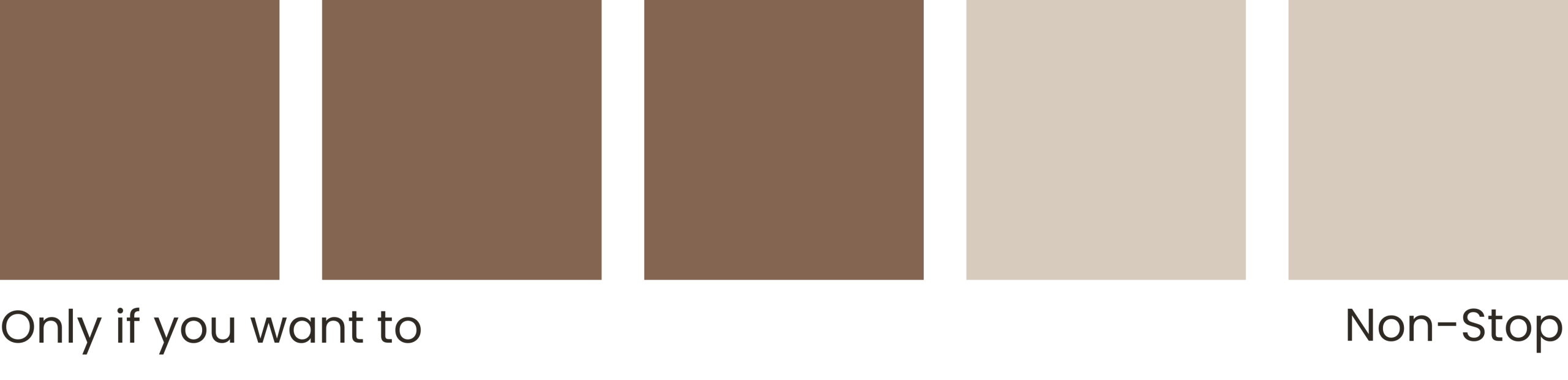
Protective instincts

Adaptability level

Physical Traits
Shedding level

Grooming frequency

Coat length & type
Long-haired, dense, double-coated
Common health problems
Pomeranians are generally healthy dogs, but like all breeds, they can be prone to certain health issues.
Read more: How to Avoid Getting Scammed When Buying a Puppy in South Africa
Responsible breeders screen their dogs for conditions such as slipping kneecaps, thyroid problems, collapsing trachea, heart disease, seizures, and alopecia X, a skin condition that can cause hair loss.
When choosing a puppy, ask the breeder for health screening results for the parents to help ensure you are getting a healthy dog.
Disclaimer: This information is based on average breed traits and data collected from various reputable sources. Every dog is unique and may differ from these general descriptions.