
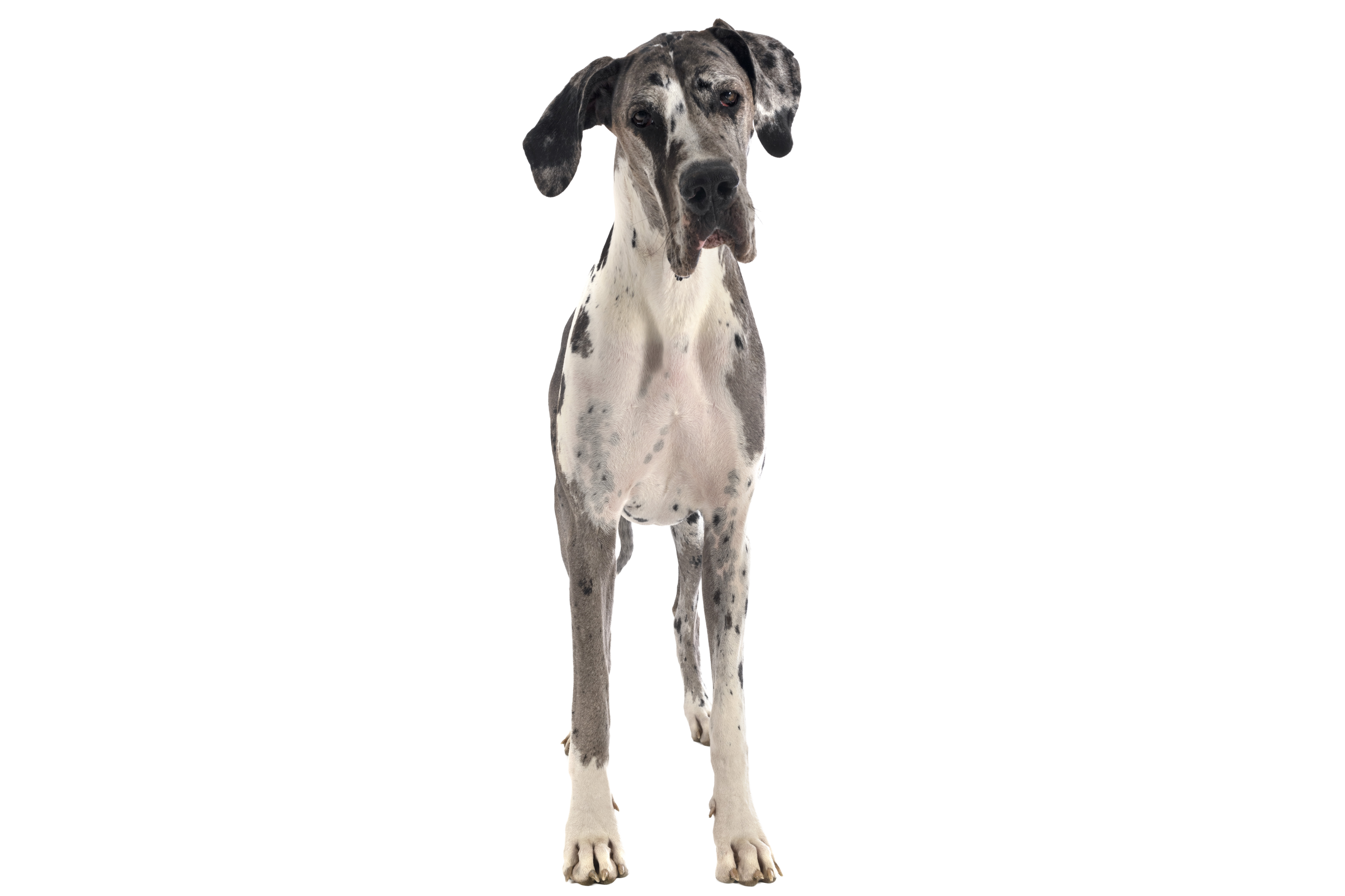

Weight
46-54 kg

Height
71-76 cm

Lifespan
7-10 years
What were Great Danes originally bred for?
Originally bred to hunt large animals like wild boars, Great Danes were valued for their strength, speed, and bravery.
As hunting changed over time, they became guard dogs for wealthy estate owners thanks to their large size, loyalty, and protective nature. Eventually, the breed became popular as a companion dog, and today, Great Danes are loved around the world as gentle, affectionate family pets.
Known as “gentle giants,” Great Danes are calm, friendly, and loving with their families.
Personality
Trainability level
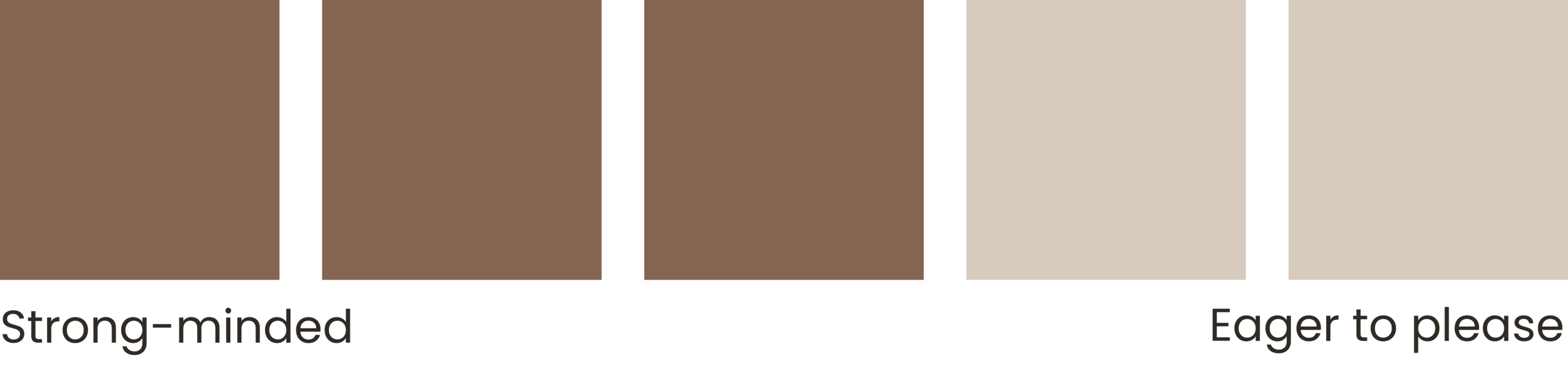
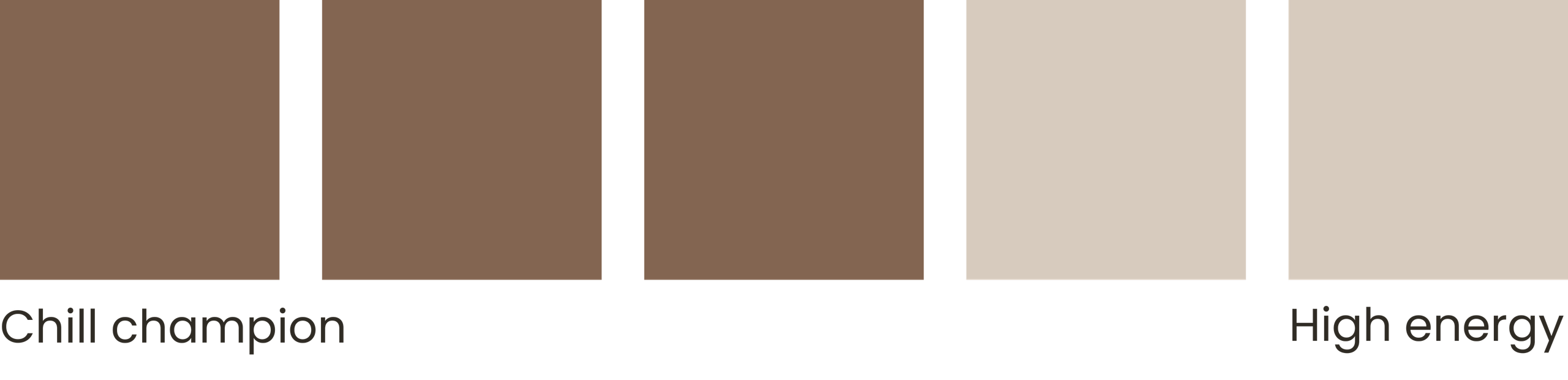
Energy level
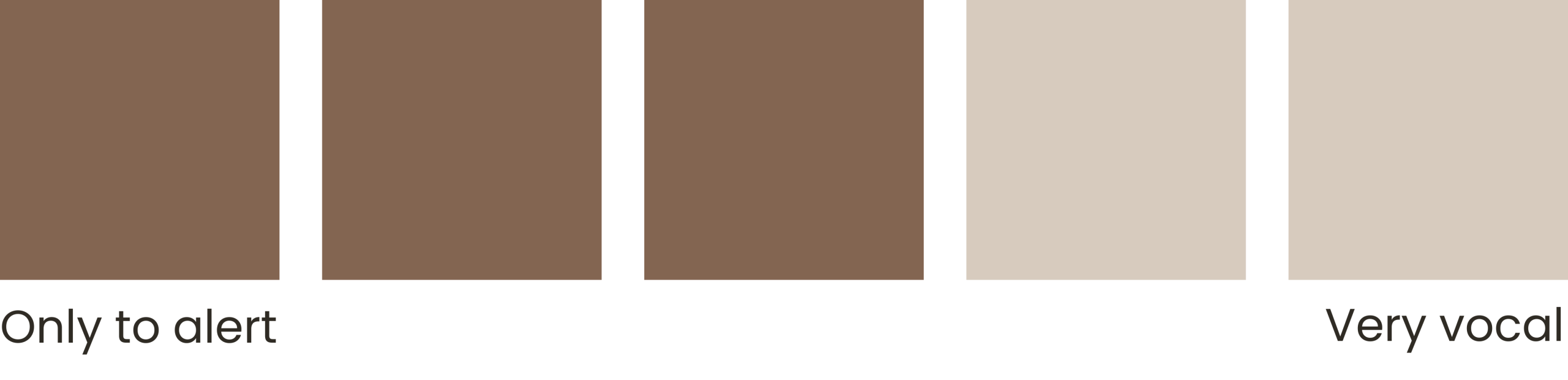
Barking level
Mental stimulation needs

Family Life
Family affection

Compatibility with young children
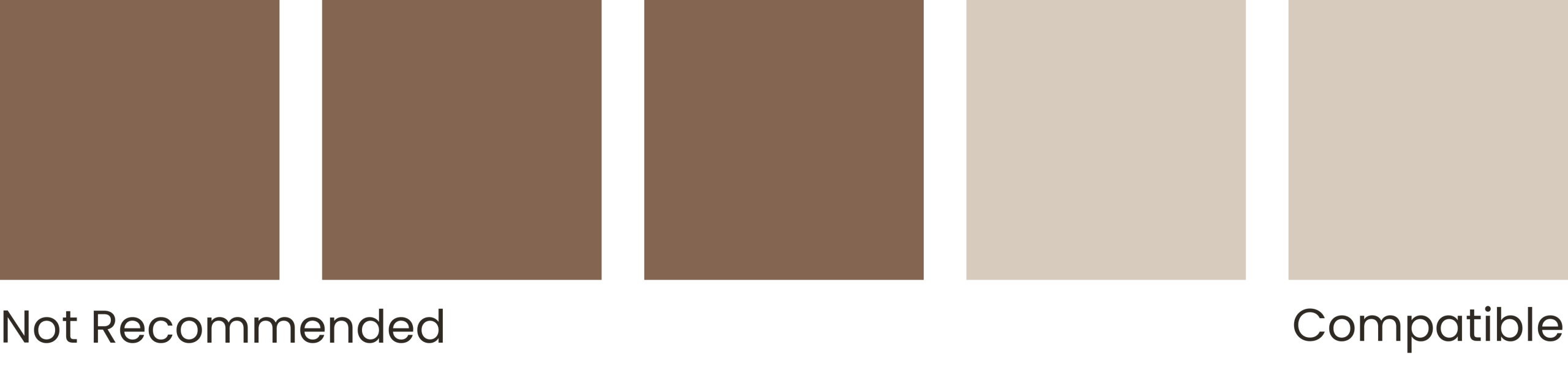
Compatibility with other dogs

Social Traits
Stranger friendliness

Playfulness level

Protective instincts
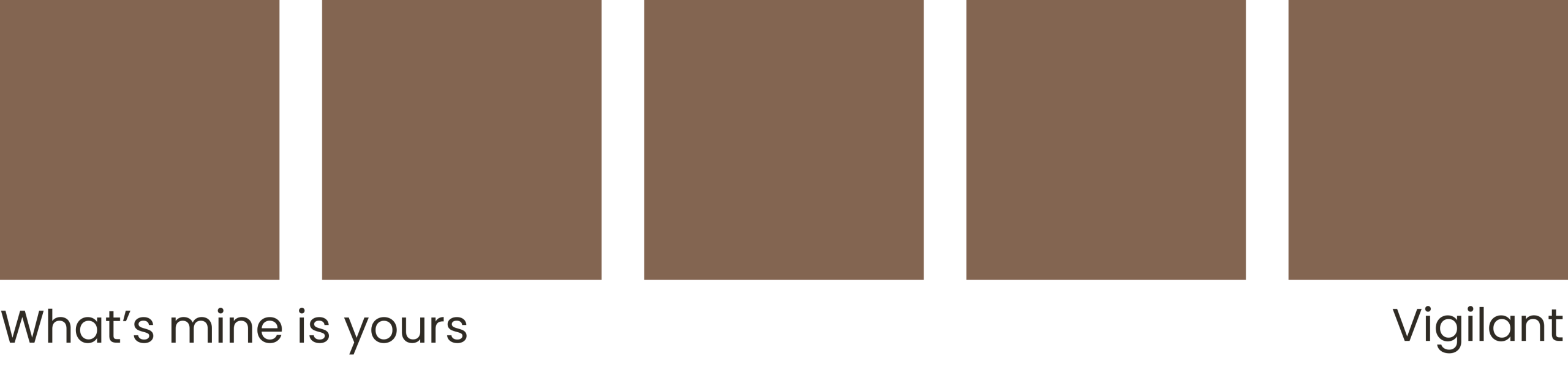
Adaptability level
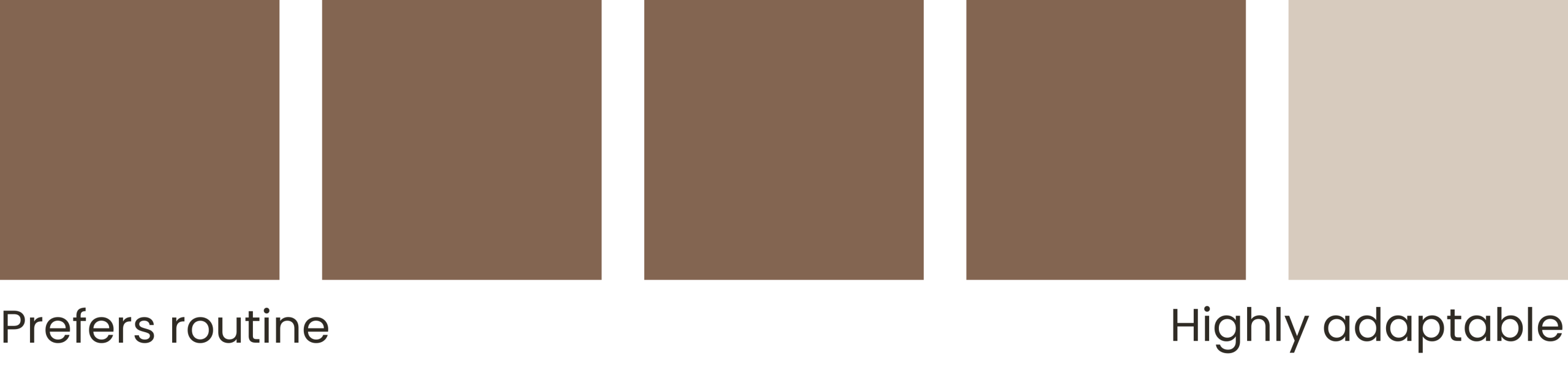
Physical Traits
Shedding level
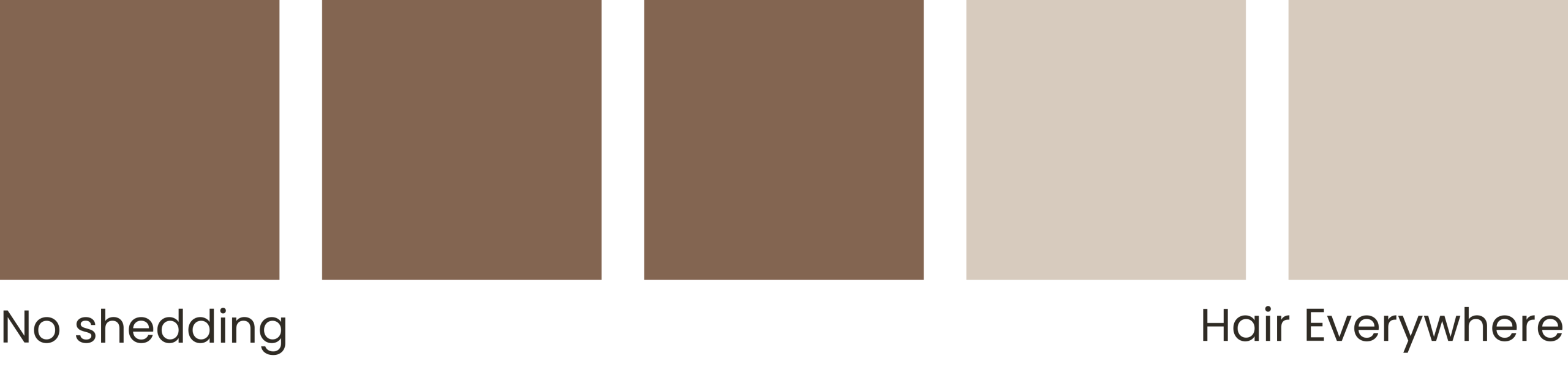
Grooming frequency
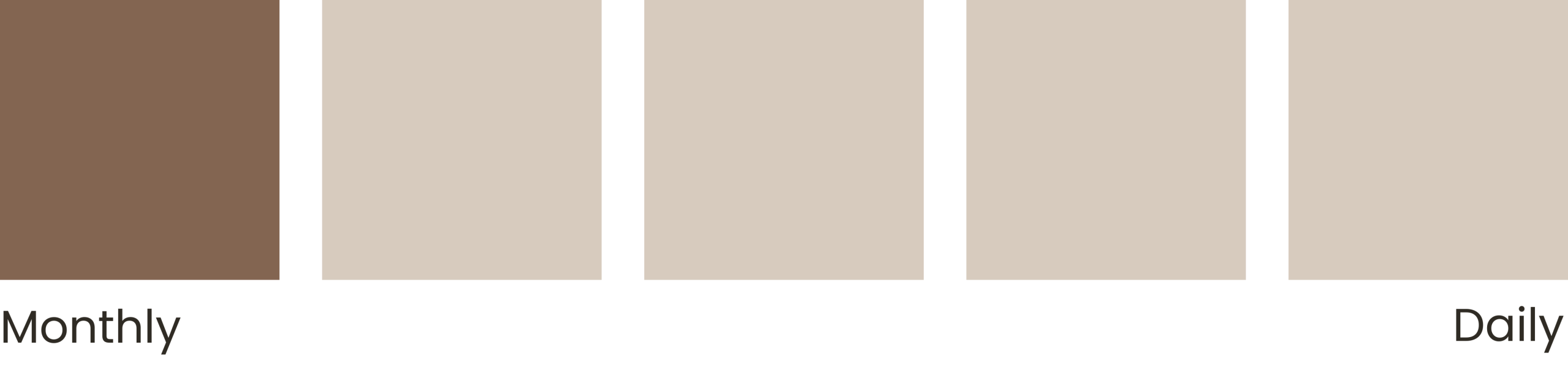
Coat length & type
Short-haired, dense, single-coated
Common health problems
Great Danes are generally healthy dogs, but like all breeds, they can be prone to certain health conditions.
Read more: How to Avoid Getting Scammed When Buying a Puppy in South Africa
One of the most serious is bloat, which is a life-threatening condition where the stomach fills with gas and twists. Because it can develop very quickly, owners should learn to recognise the warning signs and seek emergency veterinary care immediately.
Other health concerns seen in the breed may include heart and eye diseases, hip dysplasia, and thyroid problems. Responsible breeders screen their dogs for these conditions to help produce healthier puppies.
Disclaimer: This information is based on average breed traits and data collected from various reputable sources. Every dog is unique and may differ from these general descriptions.