
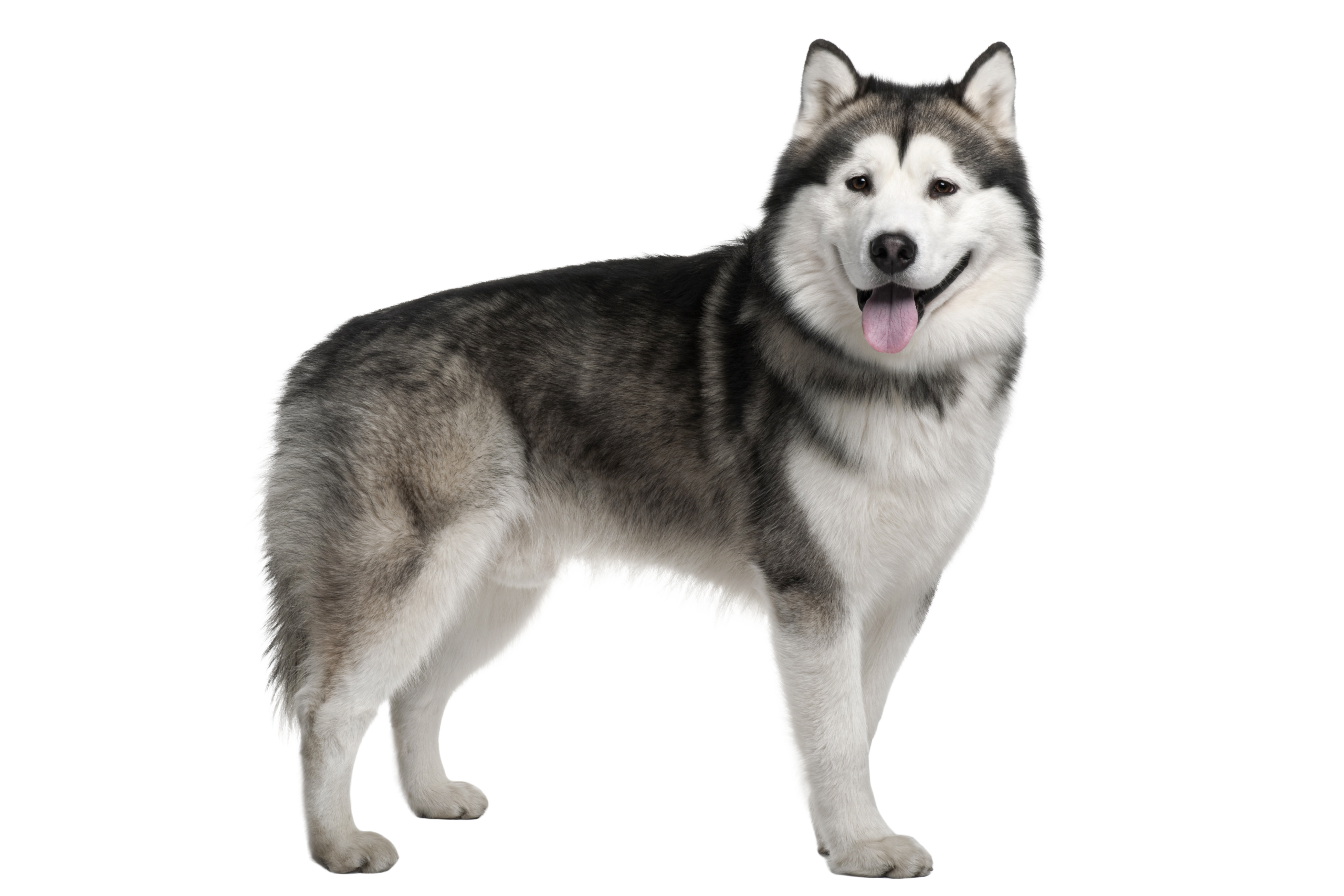

Weight
38-56 kg

Height
58-71 cm

Lifespan
12-15 years
What were Alaskan Malamutes originally bred for?
Alaskan Malamutes were originally bred by the Mahlemut, an Inuit tribe in Alaska, to help people survive in the harsh Arctic environment.
Known for their exceptional strength and endurance, these powerful dogs were used to pull heavy sledges loaded with supplies across long distances in freezing conditions.
They also helped hunt large animals such as seals and polar bears, carried gear during tribal migrations, and protected their families from predators like bears. Their versatility and reliability made them invaluable companions for Arctic life.
Personality
Trainability level

Energy level
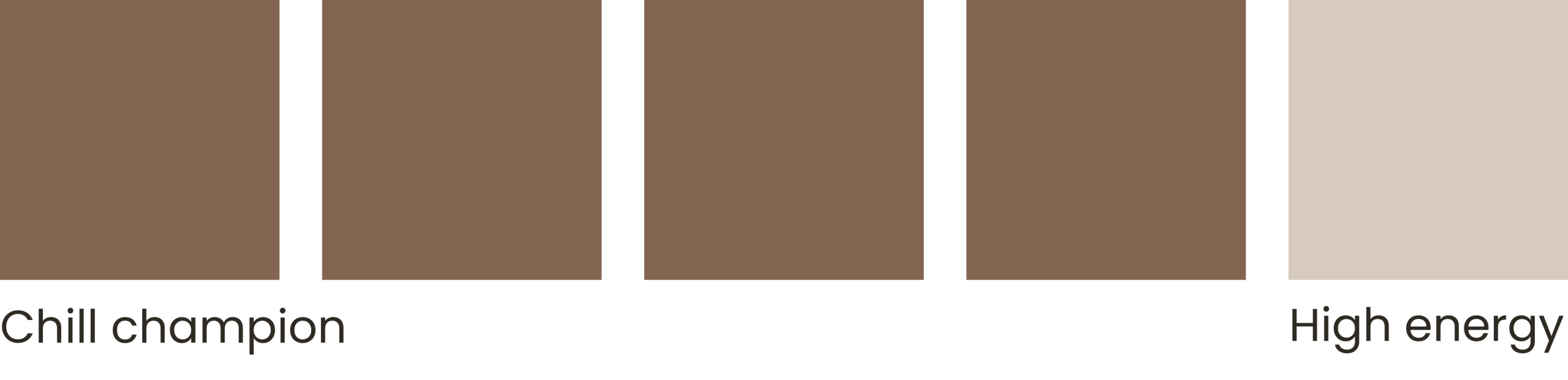
Barking level
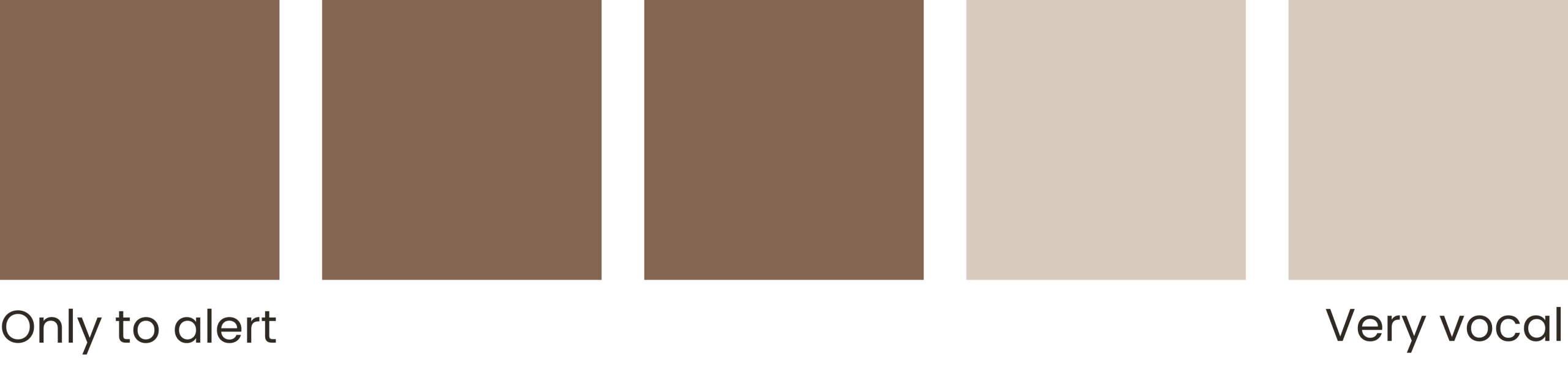
Mental stimulation needs

Family Life
Family affection

Compatibility with young children

Compatibility with other dogs

Social Traits
Stranger friendliness

Playfulness level

Protective instincts
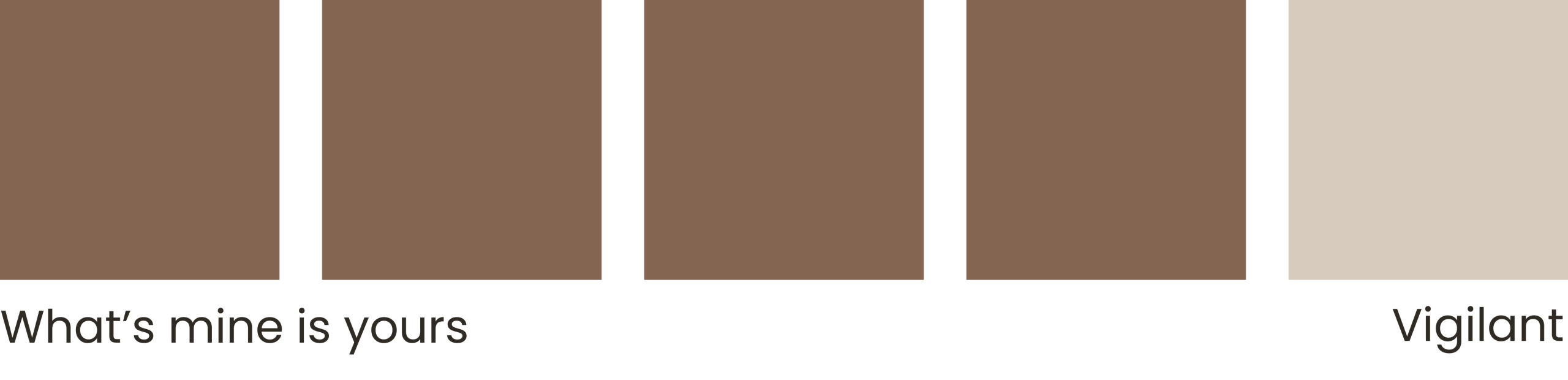
Adaptability level

Physical Traits
Shedding level

Grooming frequency
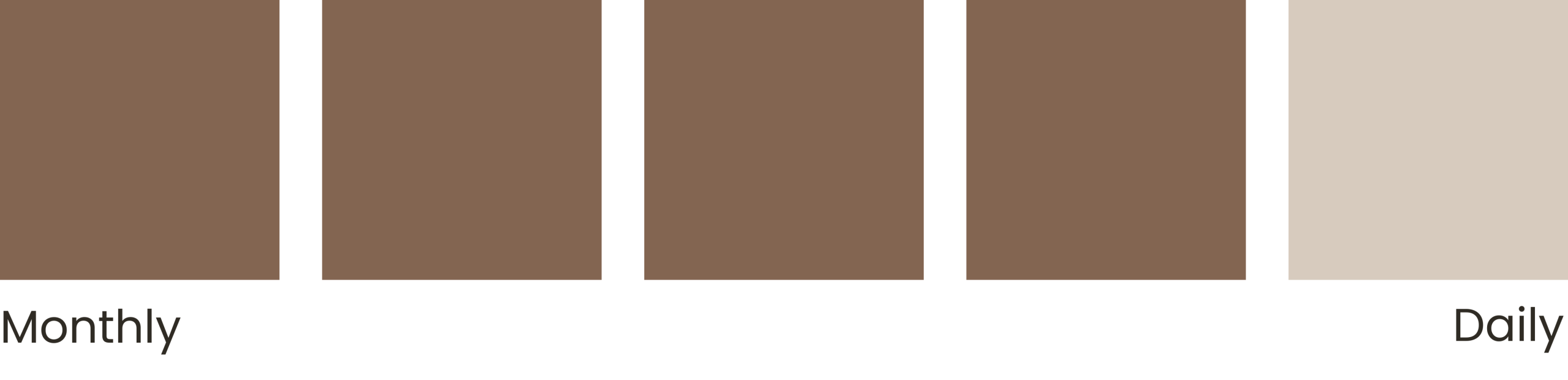
Coat length & type
Medium-length, dense, weather-resistant, double-coated
Common health problems
Alaskan Malamutes are generally healthy dogs, but responsible breeders screen their breeding dogs for inherited health conditions such as hip and elbow dysplasia, thyroid disorders, bleeding disorders, nerve diseases, and certain genetic conditions that can affect growth and vision.
Read more: How to Avoid Getting Scammed When Buying a Puppy in South Africa
Regular veterinary checkups can help detect and manage health issues early. Owners should also check their Malamute’s ears regularly to prevent wax buildup and infection, and brush their teeth frequently to maintain good dental health.
Disclaimer: This information is based on average breed traits and data collected from various reputable sources. Every dog is unique and may differ from these general descriptions.