
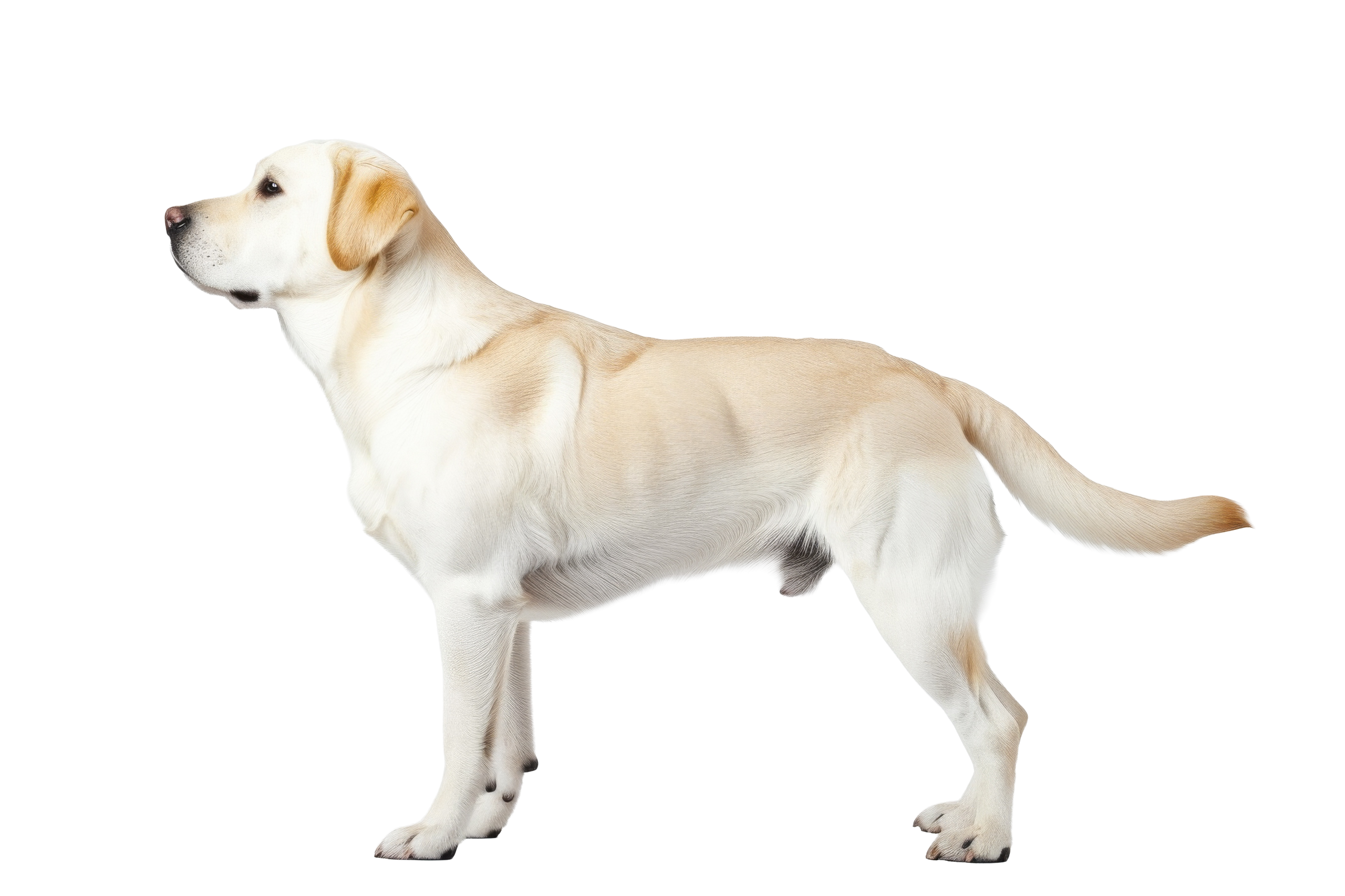

Weight
25-37 kg

Height
55-57 cm

Lifespan
11-12 years
What were Labrador Retrievers originally bred for?
The Labrador Retriever, often called a Labrador or simply a Lab, was first bred in Newfoundland (now part of Canada) to help fishermen and hunters. Back then, they were known as St. John’s water dogs.
These hardworking dogs helped pull in heavy fishing nets, retrieve fish that escaped into icy waters, and fetch birds for hunters. Their intelligence, strength, and love of water made them excellent working companions.
Personality
Trainability level

Energy level

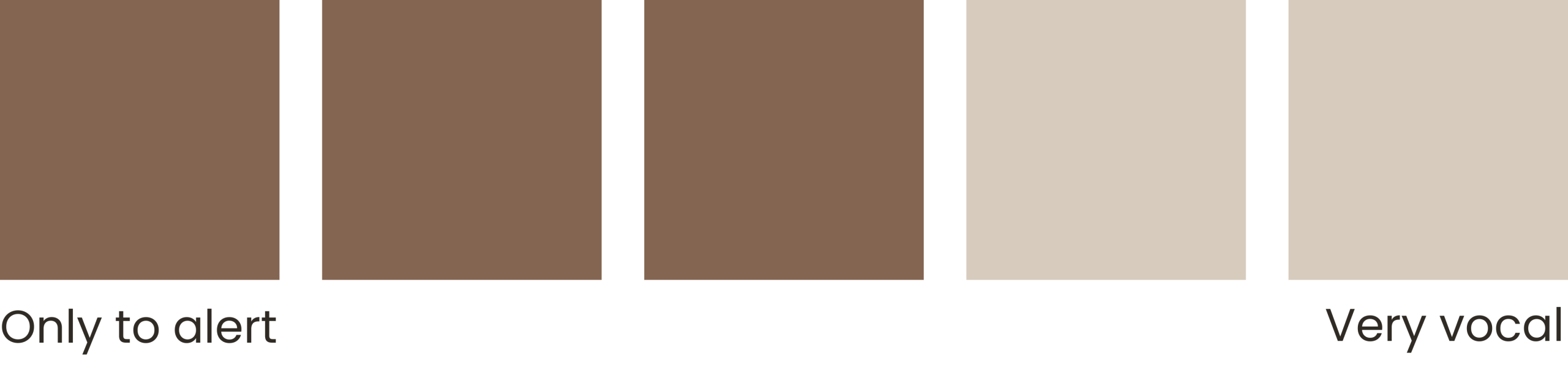
Barking level
Mental stimulation needs

Family Life
Family affection

Compatibility with young children

Compatibility with other dogs

Social Traits
Stranger friendliness

Playfulness level

Protective instincts

Adaptability level

Physical Traits
Shedding level

Grooming frequency

Coat length & type
Short-haired, double-coated, water-repellent coat
Common health problems
Labrador Retrievers are generally healthy dogs, especially when they come from responsible breeders who test their breeding dogs for common health problems. These can include hip and elbow dysplasia, heart conditions, muscle weakness disorders, and eye diseases that may affect vision over time.
Read more: How to Avoid Getting Scammed When Buying a Puppy in South Africa
Some young Labs can also develop a condition called exercise-induced collapse (EIC), which can cause weakness after intense activity, but DNA testing helps breeders avoid passing it on to puppies.
Like many large, deep-chested breeds, Labs are also at risk of a serious stomach condition called bloat, which needs urgent veterinary care. Because of this, Labrador owners should learn the warning signs and know what to do in an emergency.
Disclaimer: This information is based on average breed traits and data collected from various reputable sources. Every dog is unique and may differ from these general descriptions.