
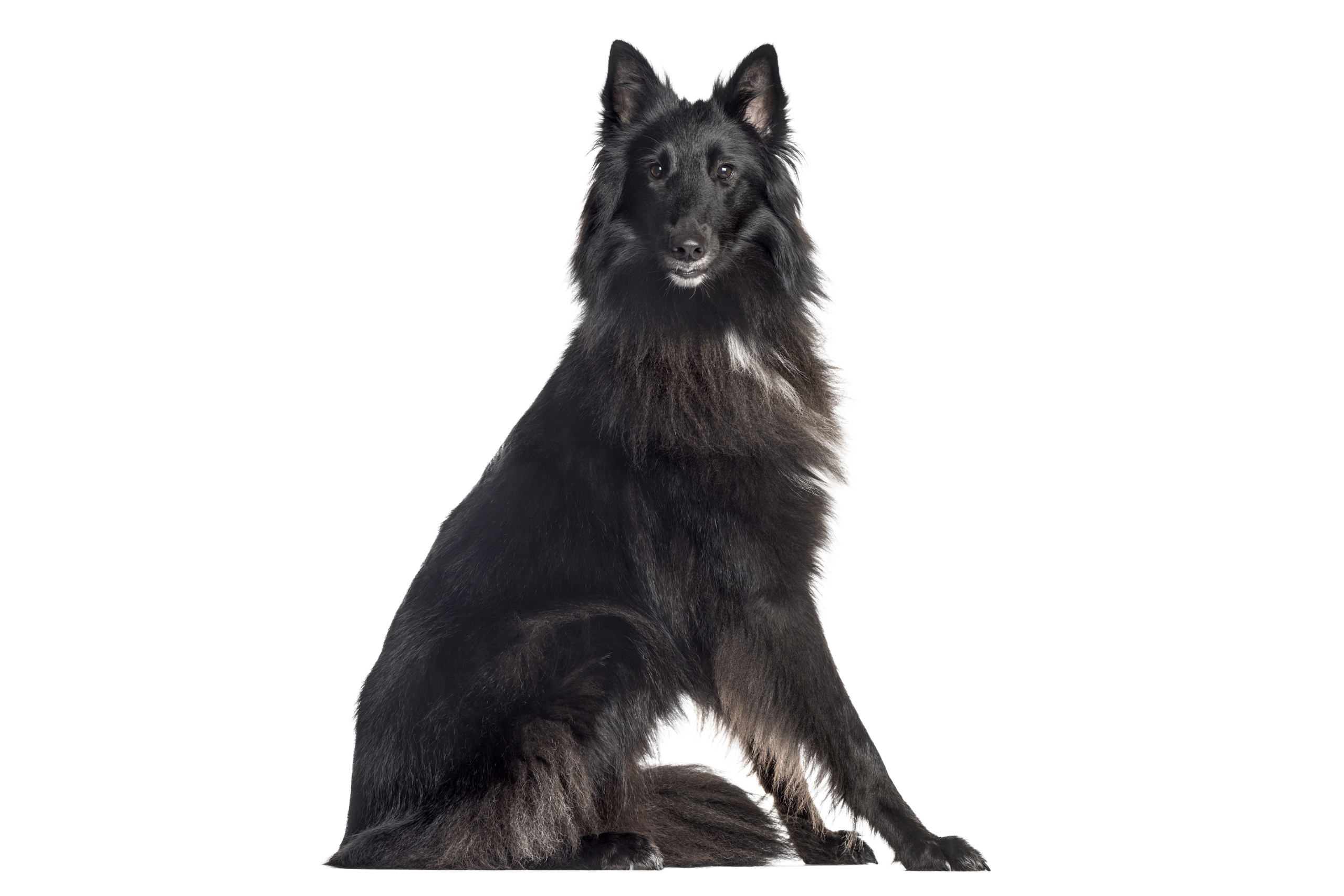

Weight
23-34 kg

Height
56-66 cm

Lifespan
10-14 years
What were Belgian Sheepdogs originally bred for?
Belgian Sheepdogs, also known as Groenendaels, were developed in Belgium in the late 1800s as hardworking farm dogs. Their main responsibilities included herding sheep and protecting livestock, making them dependable and versatile partners for farmers.
Thanks to their intelligence, trainability, and strong work ethic, they soon took on many other important roles. Belgian Sheepdogs were among the first breeds used in police work and served as messengers, sentries, and ambulance dogs during both World Wars.
Today, they are valued not only as loyal family companions but also for their work in search-and-rescue, service and guide-dog programs, and dog sports such as agility and obedience.
Personality
Trainability level

Energy level

Barking level

Mental stimulation needs

Family Life
Family affection

Compatibility with young children

Compatibility with other dogs

Social Traits
Stranger friendliness

Playfulness level

Protective instincts

Adaptability level

Physical Traits
Shedding level

Grooming frequency

Coat length & type
Long-haired, dense, double-coated
Common health problems
Belgian Sheepdogs are generally healthy and hardy dogs, but like all breeds, they can be prone to certain inherited health conditions.
Read more: How to Avoid Getting Scammed When Buying a Puppy in South Africa
Responsible breeders screen their dogs for issues such as hip and elbow dysplasia, epilepsy, eye diseases like cataracts and progressive retinal atrophy, and some types of cancer.
Owners should also be aware that Belgian Sheepdogs can be more sensitive to anaesthesia than many other breeds, which is important to consider for any surgical procedure.
Disclaimer: This information is based on average breed traits and data collected from various reputable sources. Every dog is unique and may differ from these general descriptions.