
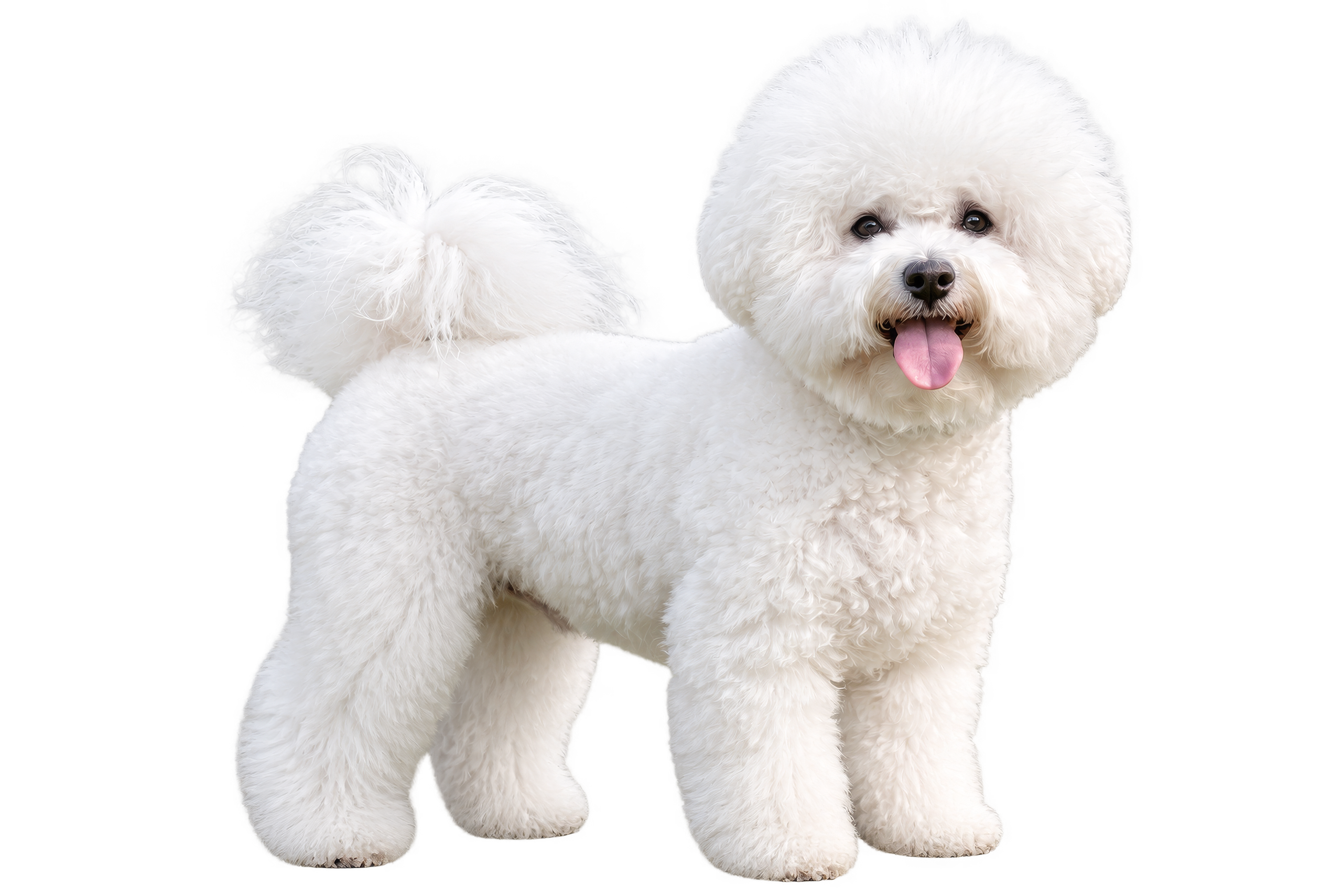

Weight
5-7 kg

Height
23-28 cm

Lifespan
12-15 years
What were Bichon Frises originally bred for?
The Bichon Frise was originally bred as a companion dog, valued for its cheerful personality and affectionate nature.
Their ancestors are believed to have descended from the Barbet water spaniel and early Mediterranean lapdogs. Sailors carried these small dogs on ships, where they became popular companions and were sometimes traded or bartered.
Over time, Bichon Frises caught the attention of European nobility and became treasured lapdogs in Spain, Italy and France.
Later, when their popularity among the aristocracy declined following political revolutions, their intelligence, playful nature and ability to learn tricks helped them find a new role as entertaining street and circus performers.
Personality
Trainability level

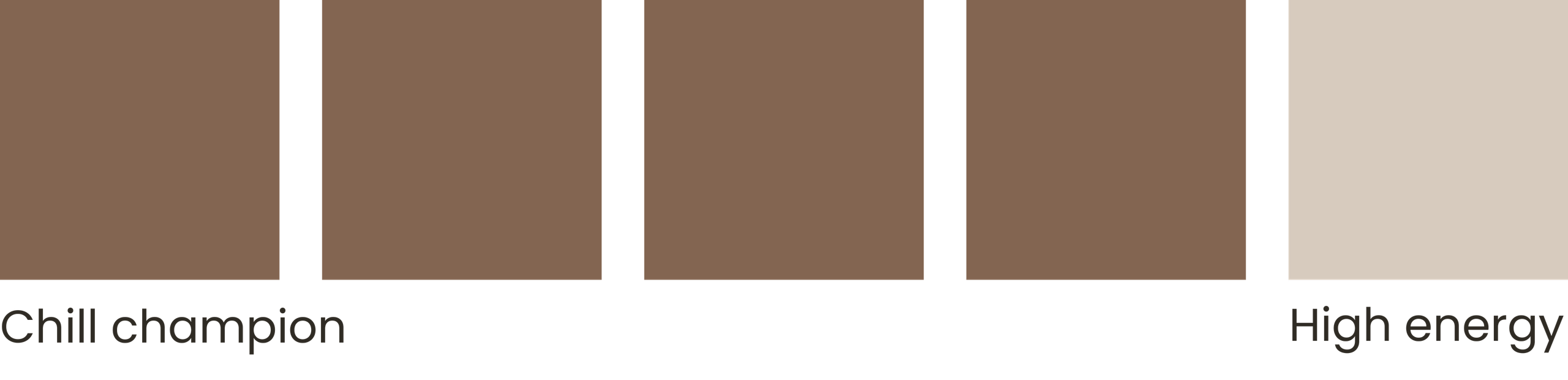
Energy level
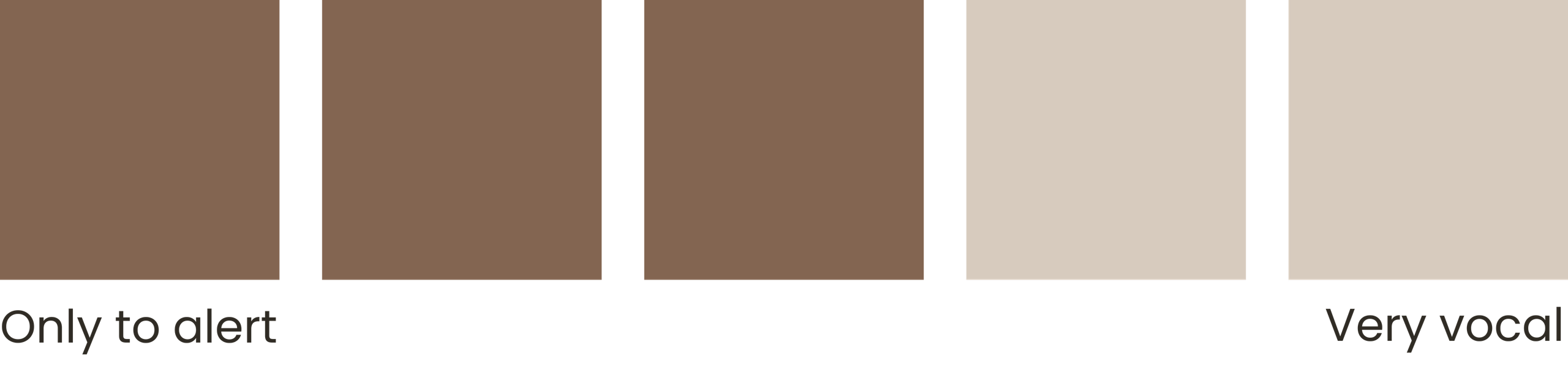
Barking level
Mental stimulation needs

Family Life
Family affection

Compatibility with young children

Compatibility with other dogs

Social Traits
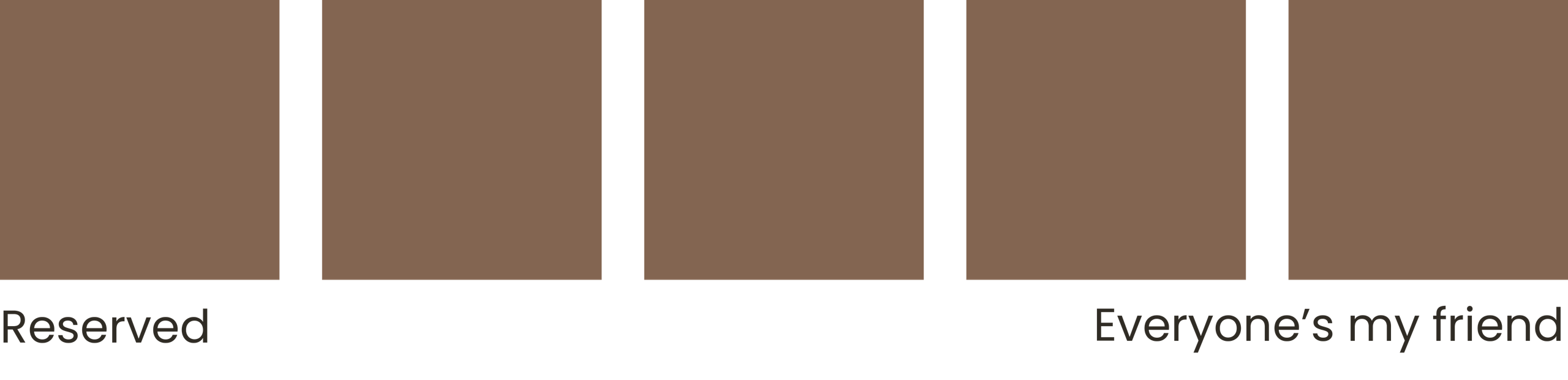
Stranger friendliness
Playfulness level

Protective instincts
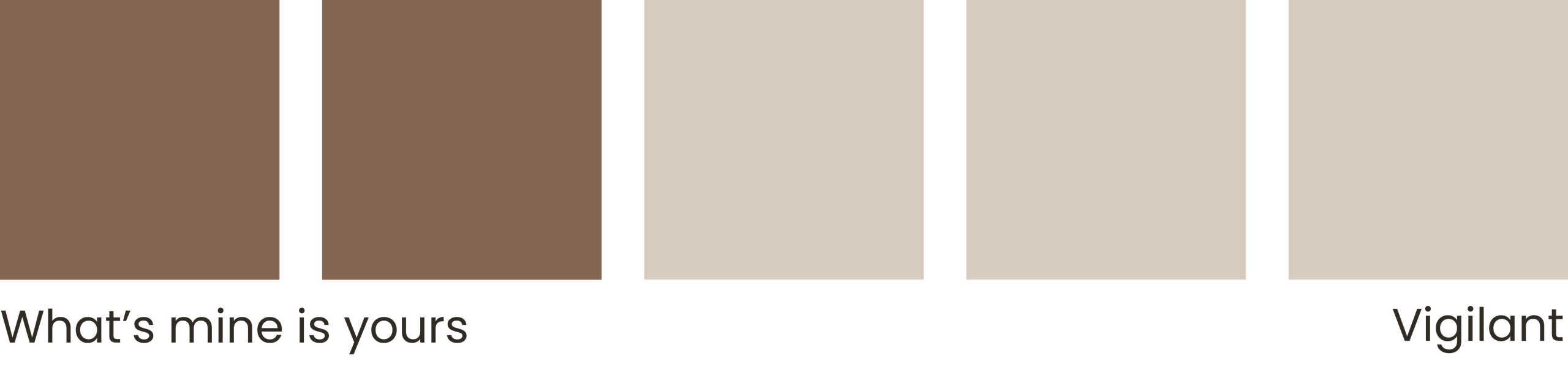
Adaptability level

Physical Traits
Shedding level

Grooming frequency

Coat length & type
Curly, long-haired, double-coated
Common health problems
Bichon Frises are generally healthy dogs, but like all breeds, they can be prone to certain health conditions. Responsible breeders screen their dogs for issues such as allergies, bladder infections, luxating patella (a slipping kneecap), cataracts and other eye problems.
Read more: How to Avoid Getting Scammed When Buying a Puppy in South Africa
Good dental care is also important, as Bichons can develop gum infections and lose teeth early if their teeth are not regularly cleaned.
Disclaimer: This information is based on average breed traits and data collected from various reputable sources. Every dog is unique and may differ from these general descriptions.