
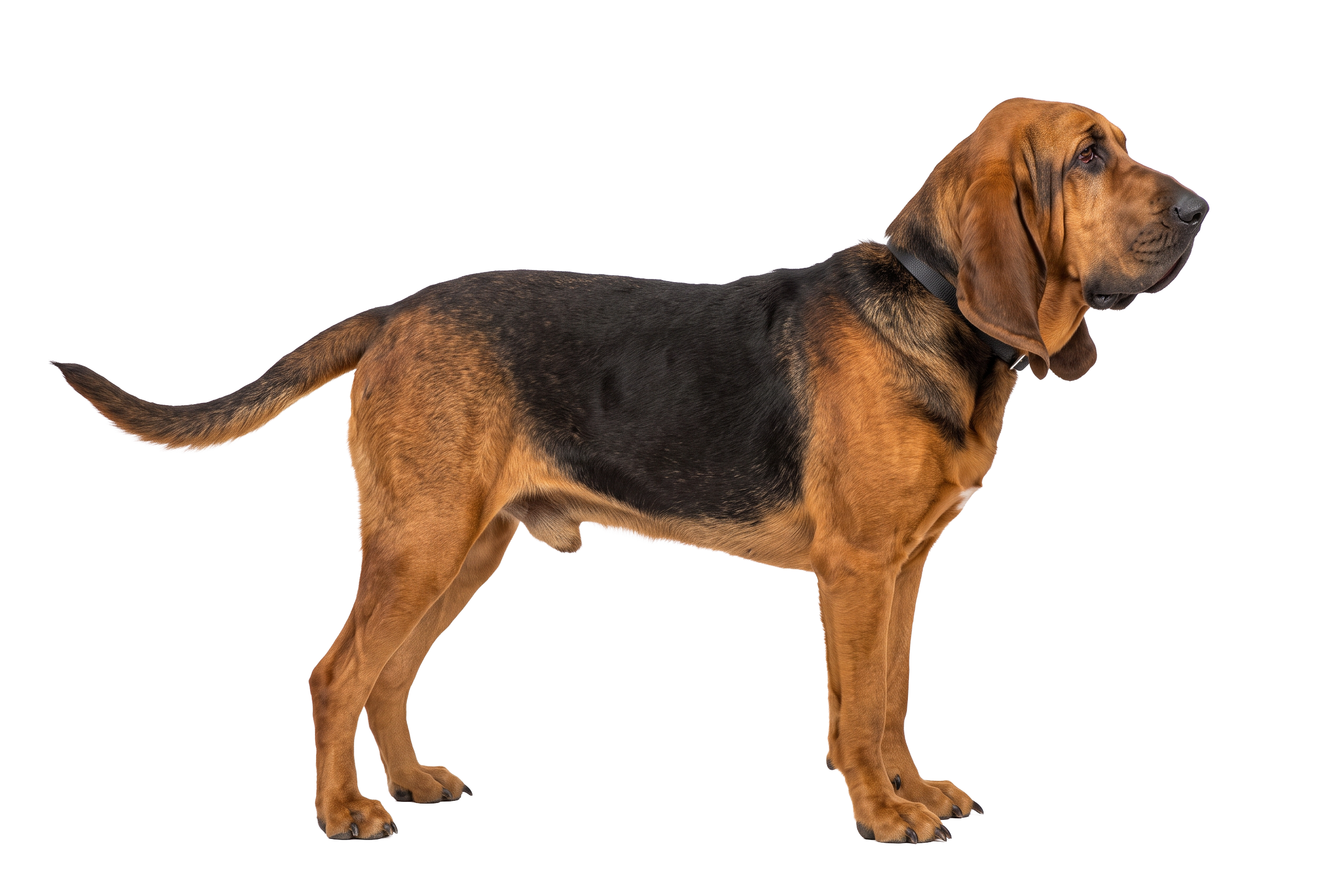

Weight
36-50 kg

Height
58-69 cm

Lifespan
10-12 years
What were Bloodhounds originally bred for?
Medieval monks in Western Europe, particularly at the Saint Hubert Monastery in Belgium, originally bred bloodhounds during the 8th and 9th centuries.
These scent hounds were developed to track large game such as deer and wild boar through dense forests. They were often kept on a lead to follow a scent trail before faster hunting hounds were released to pursue the animal.
Over time, people recognised the Bloodhound’s remarkable ability to follow a scent over long distances, and they began using the breed to track people, including thieves, raiders and escaped criminals.
Today, this exceptional sense of smell makes Bloodhounds valuable in search-and-rescue work and other tracking roles.
Personality
Trainability level

Energy level
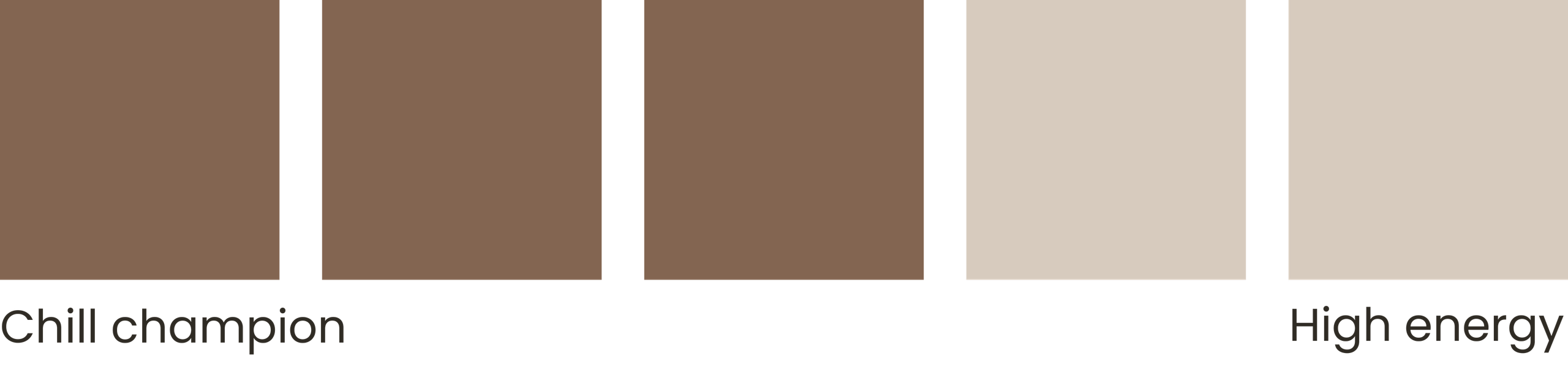
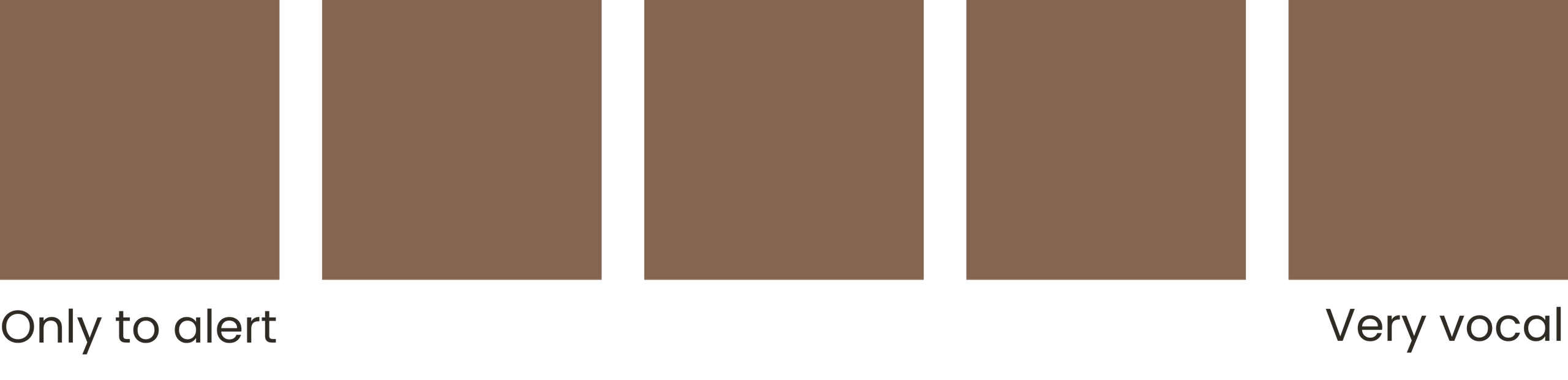
Barking level
Mental stimulation needs

Family Life
Family affection

Compatibility with young children

Compatibility with other dogs

Social Traits
Stranger friendliness

Playfulness level

Protective instincts
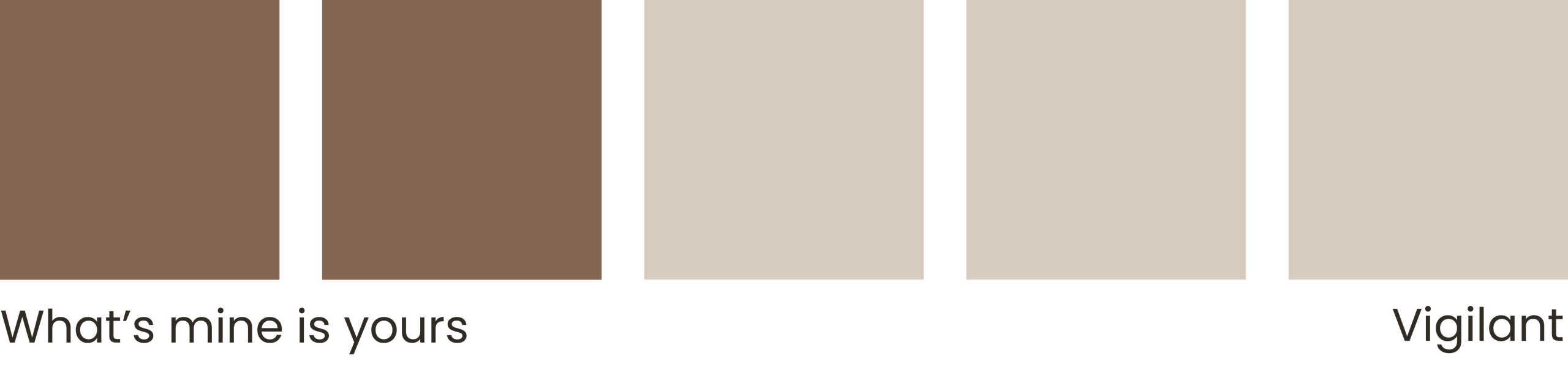
Adaptability level

Physical Traits
Shedding level

Grooming frequency

Coat length & type
Smooth coat, dense, short-haired
Common health problems
Bloodhounds can be prone to several health conditions, so regular veterinary care and routine checks are important. Like other large, deep-chested breeds, they are at risk of bloat (gastric dilatation-volvulus or GDV), a life-threatening emergency that requires immediate veterinary treatment.
Read more: How to Avoid Getting Scammed When Buying a Puppy in South Africa
They may also develop hip and elbow dysplasia, which can lead to painful joints and arthritis. Their long, floppy ears can trap moisture and debris, increasing the risk of ear infections, while their droopy eyelids and facial folds can contribute to eye problems such as entropion and ectropion.
Some Bloodhounds may also develop hypothyroidism, which can cause weight gain, tiredness and skin problems. The breed can also be susceptible to certain types of cancer, including bone and skin tumours.
Disclaimer: This information is based on average breed traits and data collected from various reputable sources. Every dog is unique and may differ from these general descriptions.