
One of the most common questions dog owners ask is, “How much should I feed my dog?” The answer isn’t always straightforward. Every dog has different nutritional needs depending on their age, size, activity level, and overall health.
This guide explains how to determine the right amount to feed your dog and the factors that influence their daily food requirements.
Start With the Feeding Guide
Most dog food brands include a feeding guide on the packaging based on your dog’s weight. This is an excellent starting point, but it shouldn’t be treated as a strict rule.
If you feed a raw diet, many reputable raw food suppliers also have qualified nutritionists or feeding advisors who can help you calculate the right daily portion for your dog’s age, weight, body condition, and activity level.
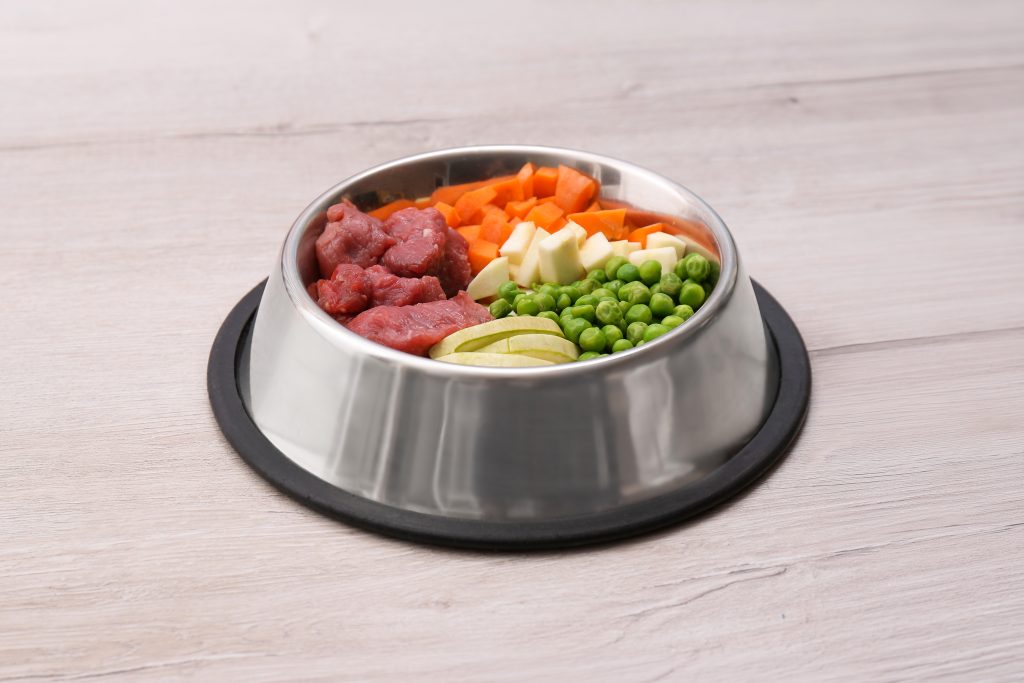
These recommendations are general guidelines and may need to be adjusted based on your dog’s lifestyle and body condition.
For example, two 25 kg dogs may need completely different amounts of food if one spends most of the day relaxing indoors while the other joins you on daily runs or hikes.
Factors That Affect How Much Your Dog Should Eat
Age
Puppies require more calories for growth and development than adult dogs. They also need to eat several smaller meals throughout the day.
Adult dogs generally do well on two meals daily.
Senior dogs often become less active and may require fewer calories to prevent weight gain, although some seniors with medical conditions may have different dietary needs.
Size and Breed
Small breeds have faster metabolisms than large breeds, meaning they often require more calories per kilogram of body weight.
Large and giant breeds eat larger portions overall but generally require fewer calories per kilogram than smaller dogs.
Breed can also influence metabolism, energy levels, and body composition.
Activity Level
Highly active dogs burn significantly more energy than dogs with a sedentary lifestyle.
Working dogs, agility dogs, hunting dogs, and dogs that regularly accompany their owners on long walks or hikes may need considerably more food than dogs that spend most of the day indoors.
Adjust food portions if your dog’s exercise routine changes.
Body Condition
Rather than focusing only on the number on the scale, regularly assess your dog’s body condition.
Body Condition Score 1–3
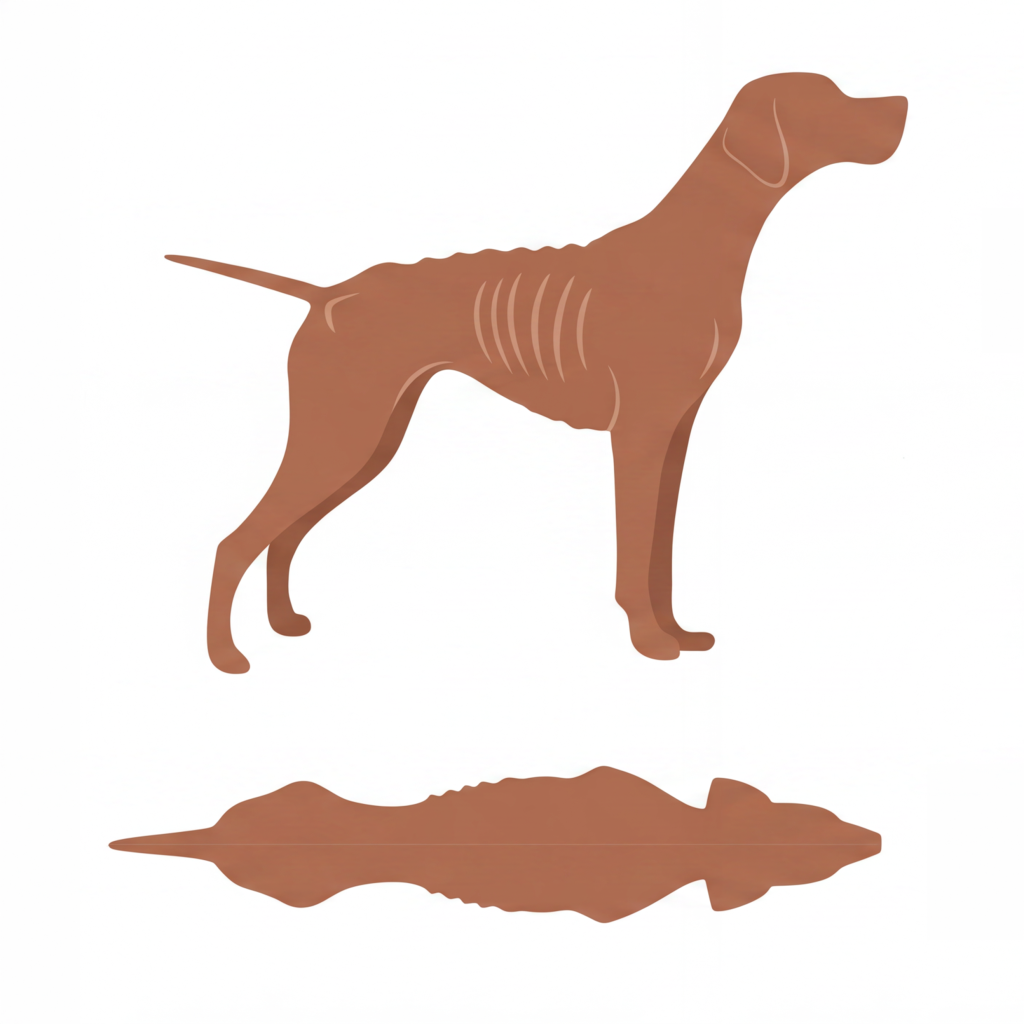
Underweight
The dog has clearly visible ribs and hip bones that protrude. The ribs and hip bones are highly visible and appear to jut out when viewed from above.
Body Condition Score 4–6
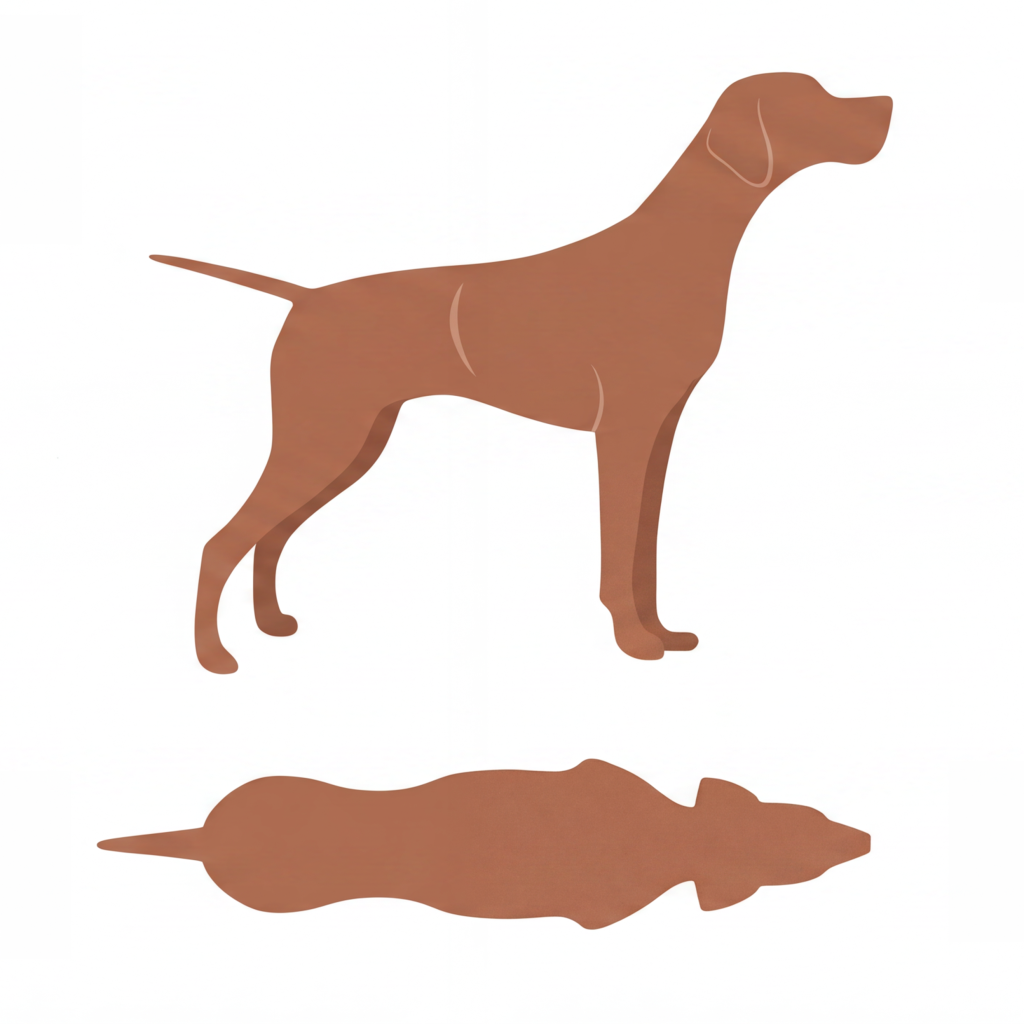
Ideal
The dog has a defined waist and a noticeable abdominal tuck. The ribs are slightly visible and easy to feel, with no excess fat covering them. When viewed from the side, the belly tucks upwards, and from above, the waist is clearly visible.
Body Condition Score 7–9
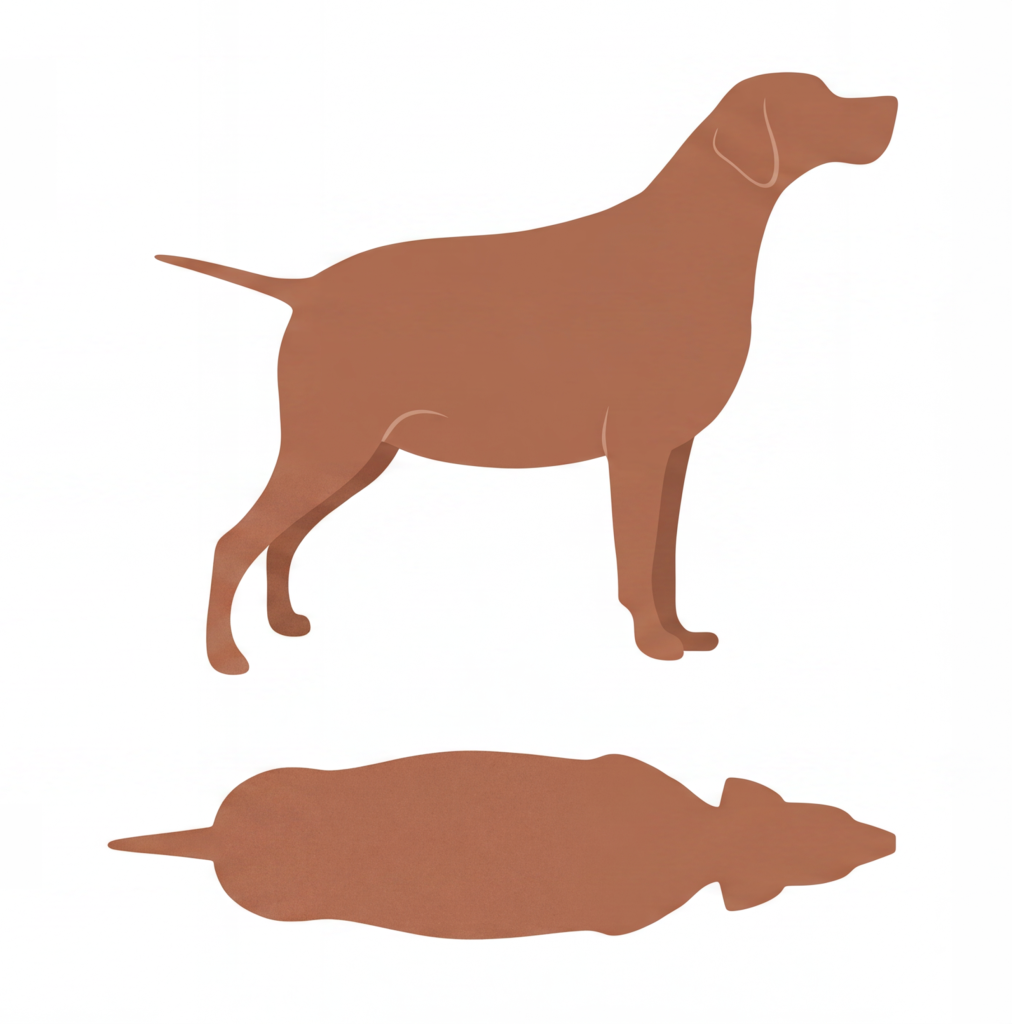
Overweight
The dog has a rounded body with no visible waist when viewed from above, and the stomach appears rounded when viewed from the side.
If your dog is gaining weight, gradually reduce their daily food intake. If they’re losing weight unexpectedly, increase their food slightly. Speak to your veterinarian if your dog’s weight changes suddenly or significantly, as this may point to an underlying health condition.
How Often Should You Feed Your Dog?
Most healthy adult dogs do best when fed twice a day.
General feeding guidelines include:
- Puppies (8–12 weeks): 4 meals daily
- Puppies (3–6 months): 3 meals daily
- Puppies (6–12 months): 2 meals daily
- Adult dogs: 1-2 meals daily
- Senior dogs: Usually 2 meals daily, unless advised otherwise by your veterinarian
Consistent meal times also help establish a routine and can improve digestion.
Don’t Forget Treat Calories
Treats count towards your dog’s daily calorie intake. As a general rule, treats should make up no more than 10% of your dog’s daily calories, with the remaining 90% coming from a complete and balanced diet.
If you’re using treats regularly during training, reduce your dog’s meal portions slightly to avoid unwanted weight gain. Small, pea-sized treats are often enough to reward good behaviour without adding excessive calories.
Read more: How Many Treats Should You Give Your Dog?
Measuring Food Accurately
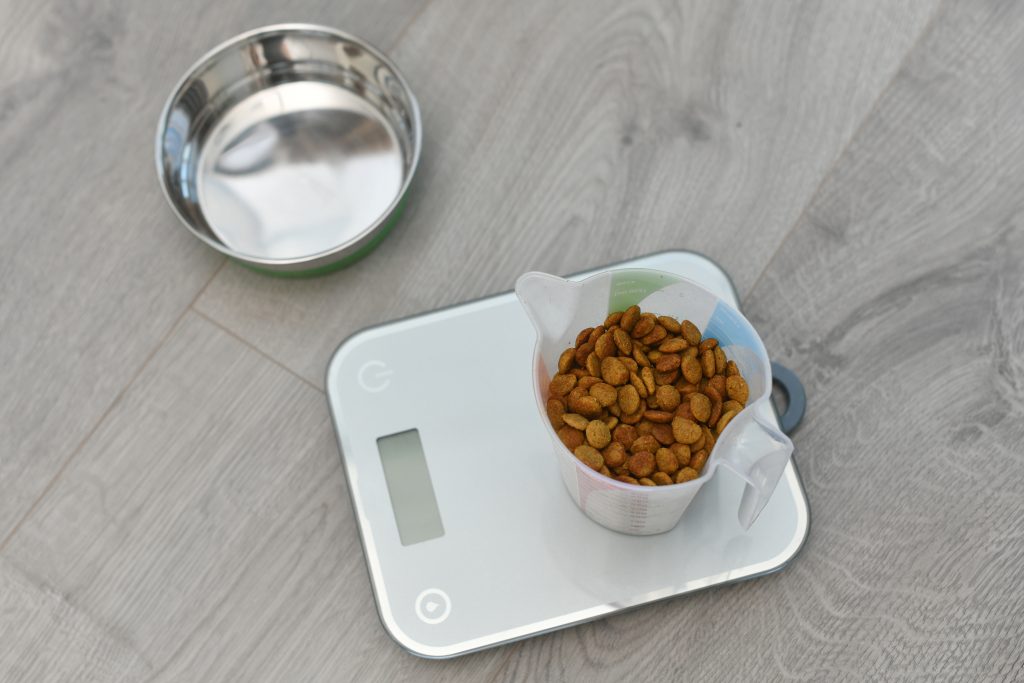
Guessing portion sizes can easily lead to overfeeding. Even small daily overfeeds can result in significant weight gain over time.
Instead:
- Use a proper measuring cup or kitchen scale
- Follow the manufacturer’s feeding guide as a starting point
- Reassess your dog’s weight every few weeks
- Adjust portions gradually if needed
When Should You Change Your Dog’s Food Intake?
Your dog’s nutritional needs change throughout their life. You may need to adjust feeding amounts if your dog:
- Gains or loses weight
- Starts a new exercise routine
- Is spayed or neutered
- Becomes pregnant or is nursing puppies
- Develops a medical condition
- Changes to a different food brand or formula
Whenever you change foods, transition gradually over 7–10 days to help avoid digestive upset.
Read more: Signs Your Dog Isn’t Getting the Right Nutrition
Final Thoughts
There is no single answer to how much you should feed your dog. The ideal amount depends on their age, breed, weight, activity level, and overall health. Use your dog’s food packaging as a guide, monitor their body condition regularly, and make small adjustments as needed.
If you’re ever unsure whether your dog is eating too much or too little, speak to your veterinarian. With the right nutrition and appropriate portion sizes, your dog will have the best chance of maintaining a healthy weight and enjoying a long, active life.