
Choosing the right dog food can be confusing. Pet food bags are covered in claims like natural, premium, grain-free, and high protein, but the information that really matters is on the label.
Knowing how to read a dog food label helps you compare products, understand what your dog is eating, and make informed choices based on nutrition rather than marketing.
Start with the Ingredient List
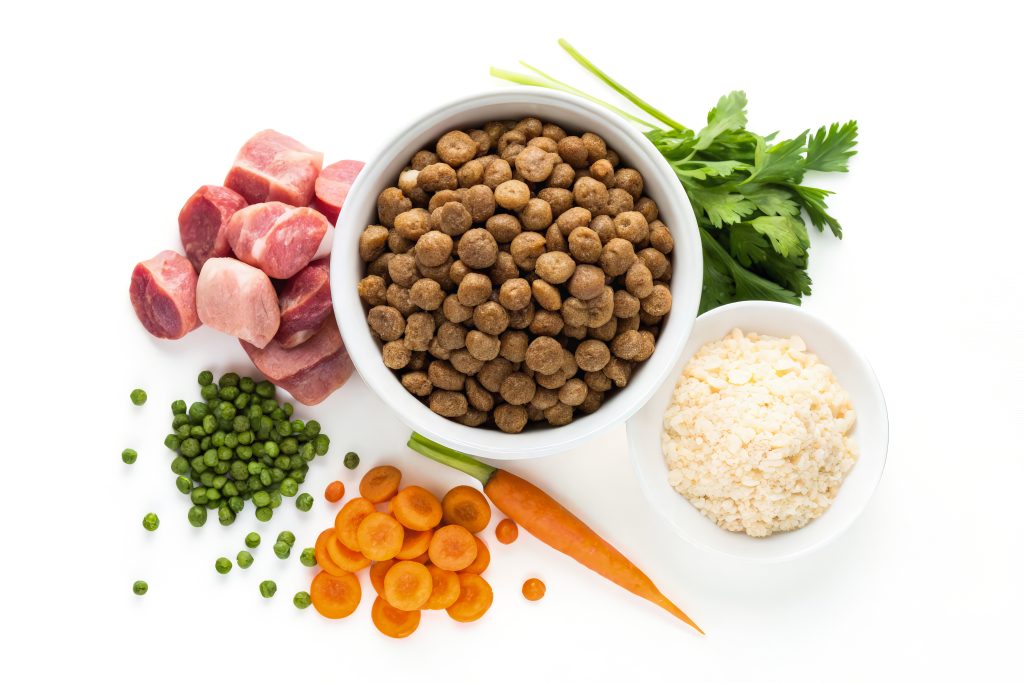
Ingredients are listed in descending order by weight before processing, so the first few ingredients make up the largest portion of the recipe.
Look for named animal proteins such as:
- Chicken
- Beef
- Lamb
- Turkey
- Salmon
Fresh meat contains a lot of water, so although it may appear first, it contributes less after cooking. Meat meals, such as chicken meal or lamb meal, are concentrated protein sources because the moisture has already been removed.
Understand the Guaranteed Analysis
The guaranteed analysis shows the minimum or maximum amounts of key nutrients, including:
- Crude protein
- Crude fat
- Crude fibre
- Moisture
Protein supports muscles and overall health, fat provides energy and helps absorb vitamins, while fibre promotes healthy digestion. Remember that wet foods contain much more moisture than dry kibble, making direct comparisons difficult without converting values to a dry matter basis.
Look Beyond Marketing Claims
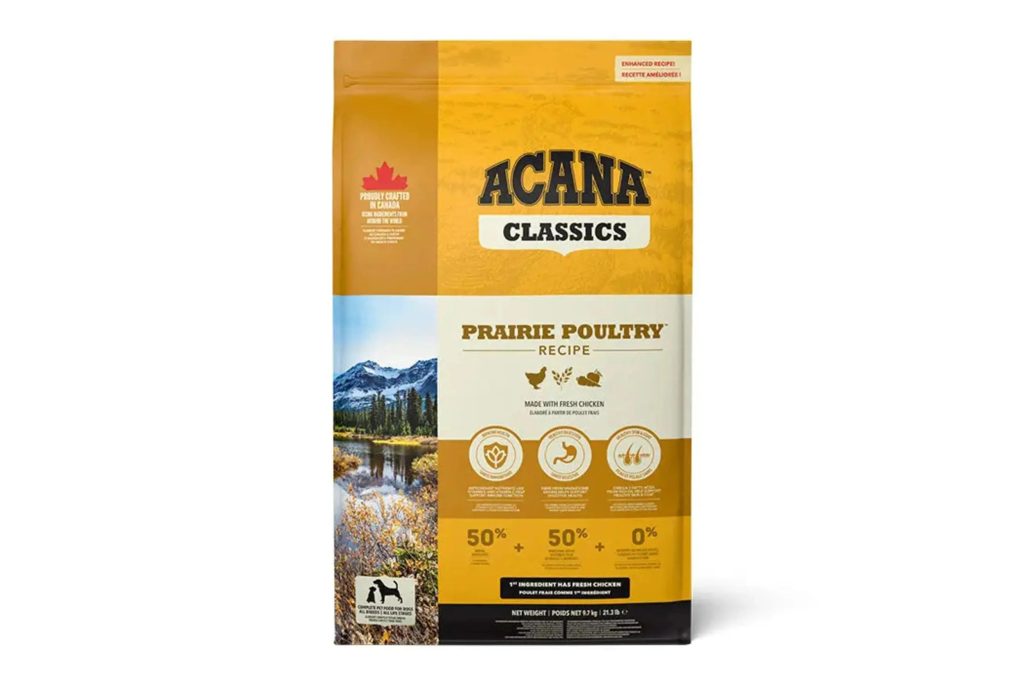
Terms such as premium, holistic, and natural don’t necessarily mean a food is nutritionally superior.
Instead, check:
- The ingredient list
- The guaranteed analysis
- Feeding guidelines
- Life stage suitability
These provide a far better indication of a food’s quality than the wording on the front of the bag.
Choose the Right Life Stage
Dogs have different nutritional needs throughout their lives. Select a food formulated for your dog’s life stage, whether they’re a puppy, adult, senior, or suitable for all life stages.
Large breed puppies need carefully balanced minerals for healthy growth, while senior dogs often benefit from diets that support joint health and weight management.
Read more: Signs Your Dog Isn’t Getting the Right Nutrition
Look for Beneficial Ingredients
Many quality foods include ingredients that provide additional health benefits, including:
- Omega-3 and omega-6 fatty acids
- Prebiotics and probiotics
- Glucosamine and chondroitin
- Antioxidants
- Essential vitamins and minerals
These can support healthy skin, digestion, joints, and immune function.
Watch Out for Ingredient Splitting
Some manufacturers split similar ingredients into separate components, such as pea protein, pea fibre, and pea starch. Listed separately, they appear lower on the ingredient list, but together they may make up a significant portion of the recipe. This practice, known as ingredient splitting, can make meat appear more prominent than it really is.
Follow the Feeding Guide
Feeding recommendations are only a starting point, as your dog’s ideal portion depends on their age, breed, size, activity level, and overall health. Monitor their body condition regularly and adjust portions as needed.
It is also important to check the calorie content of the food, as two products may recommend the same serving size while providing very different amounts of energy. Paying attention to calories helps prevent overfeeding and supports healthy weight management.
Read more: How Much Should I Feed My Dog?
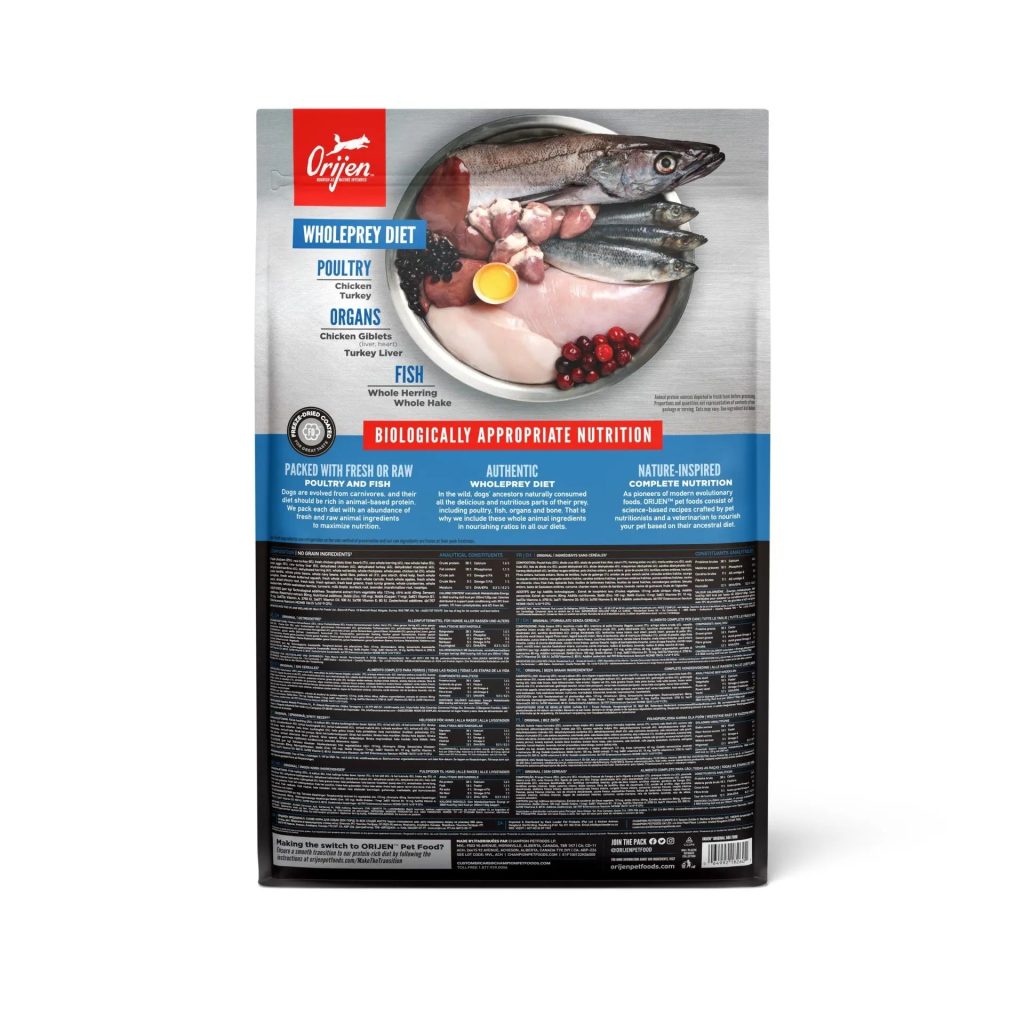
Feeling Overwhelmed?
Comparing dog food labels can quickly become confusing. With so many brands, ingredients, and nutritional claims, it’s not always easy to know which food offers the best value for your dog and your budget.
To make things easier, South African veterinarian Dr Nic has created a free eBook summarising adult maintenance dog foods available in South Africa. It provides an easy-to-understand comparison of ingredients, nutritional quality, and value for money, helping you choose the best food for your dog without spending hours analysing labels.
For more expert advice, follow @dr_nic_vet on Instagram
Final Thoughts
Reading a dog food label doesn’t have to be difficult. By focusing on the ingredient list, guaranteed analysis, life stage suitability, and nutritional information, you’ll be able to make more informed decisions about your dog’s diet.
The best dog food isn’t the one with the flashiest packaging — it’s the one that provides balanced nutrition that suits your dog’s age, lifestyle, health, and your budget.