
Treats are one of the easiest ways to reward your dog, strengthen your bond, and reinforce good behaviour. However, giving too many treats can quickly lead to weight gain, nutritional imbalances, and long-term health problems. So, how many treats should you give your dog?
The answer depends on your dog’s size, age, activity level, and the type of treats you offer. Here’s what every pet owner should know.
Follow the 10% Rule
Veterinarians generally recommend that treats make up no more than 10% of your dog’s daily calorie intake. The remaining 90% should come from a complete and balanced diet that provides all the nutrients your dog needs.
For example:
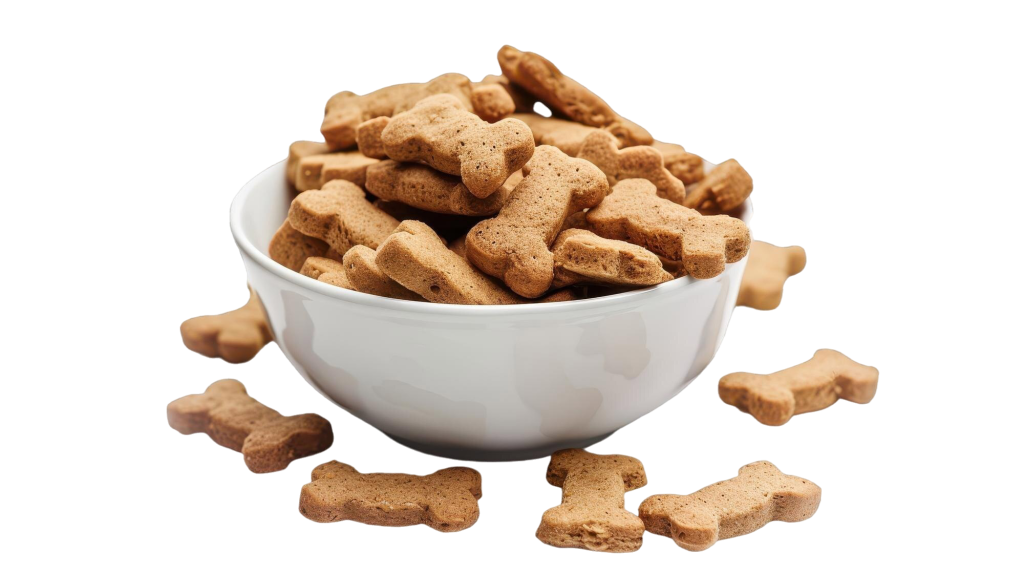
- A small dog that eats 300 calories per day should have no more than 30 calories from treats.
- A medium-sized dog eating 700 calories daily can have around 70 calories from treats.
- A large, active dog consuming 1,200 calories per day can enjoy up to 120 calories from treats.
Always check the calorie content on treat packaging, as even small treats can contain more calories than you might expect.
Consider Your Dog’s Size
Small, medium, and large dogs all have different calorie needs, so the right number of treats depends on your dog’s size.
Small dogs need the fewest calories, so even one large biscuit can make up a big part of their daily food intake. Choose small, low-calorie treats or break larger treats into tiny pieces.
Medium-sized dogs have a little more flexibility, but too many treats can still lead to weight gain, so portion control is important.
Large dogs can usually have slightly more treats, but they are often given larger treats that contain many more calories. No matter your dog’s size, treats should always be given in moderation.
Training Requires More Treats
Training sessions often involve dozens of rewards, especially when teaching new behaviours. Instead of giving full-sized treats every time:
- Use tiny training treats
- Break treats into pea-sized pieces (we know, it’s illegal!)
- Use part of your dog’s daily kibble as a reward
- Reduce meal portions slightly if using many treats during the day
Your dog values frequent rewards more than large rewards.
Healthy Treat Options
Treats don’t always have to come from a packet. Many healthy foods can make excellent rewards in moderation, including:
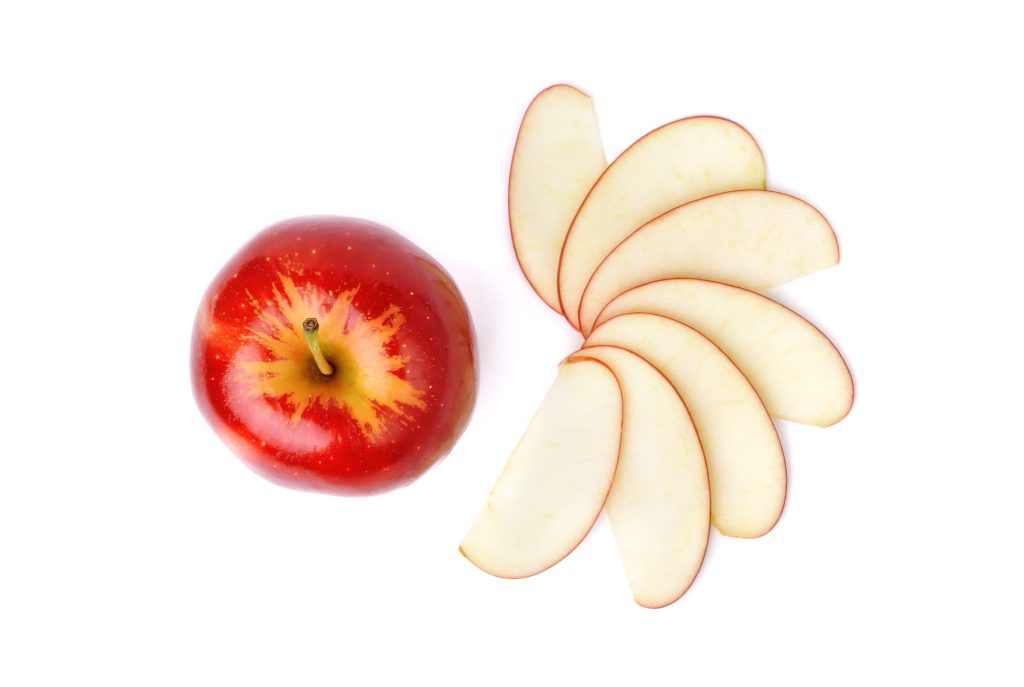
- Cooked lean chicken
- Plain cooked turkey
- Carrot slices
- Green beans
- Apple slices (without seeds)
- Blueberries
- Cucumber pieces
Avoid foods that are toxic to dogs, including chocolate, grapes, raisins, onions, garlic, xylitol, and macadamia nuts.
Signs You’re Giving Too Many Treats
It can be easy to overdo it without realising. Watch for these warning signs:
- Gradual weight gain
- Reduced interest in regular meals
- Digestive upset
- Loose stools
- Increased begging
- Difficulty maintaining a healthy body condition
If your dog is gaining excess weight, reducing the number of treats they receive is often one of the simplest and most effective ways to start.
Don’t Use Treats for Everything
While treats are effective rewards, they shouldn’t become your only way of communicating with your dog. Mix food rewards with:
- Verbal praise
- Gentle affection
- Playtime
- Favourite toys
- Opportunities to sniff or explore during walks
Using a variety of rewards keeps your dog motivated while reducing unnecessary calories.
Choose High-Quality Treats
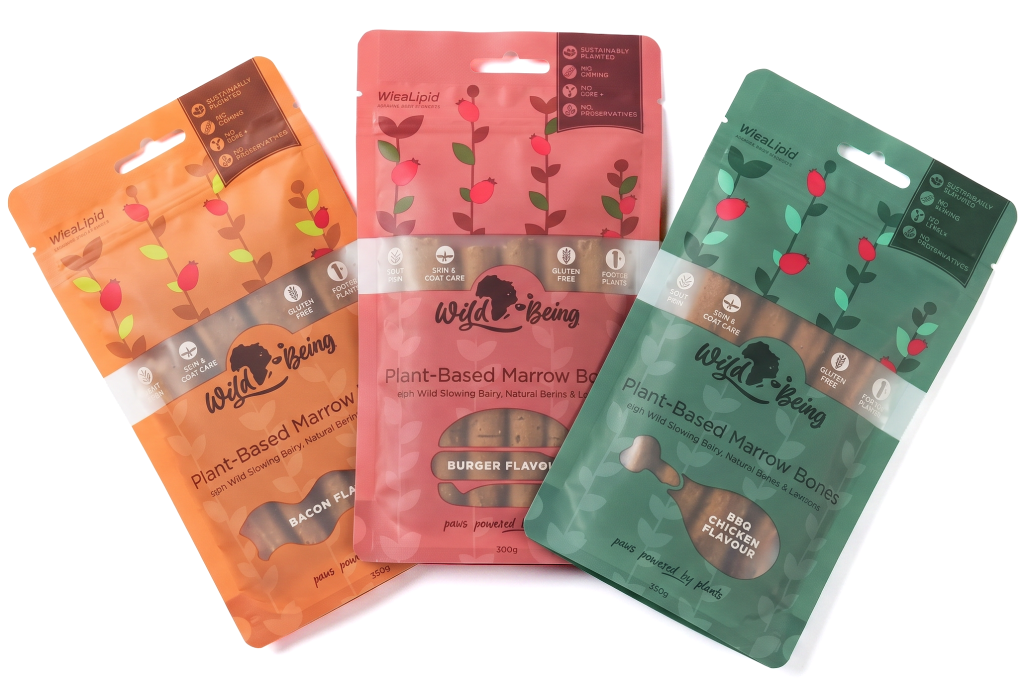
Not all treats are created equal. Look for products that:
- Contain high-quality protein
- Have limited ingredients
- Are free from unnecessary fillers
- Match your dog’s size and chewing ability
- Are appropriate for your dog’s age
Dogs with allergies or sensitive stomachs may benefit from single-protein or limited-ingredient treats recommended by your veterinarian.
Read more: Favourite Dog Treats for Training in South Africa: Our Top Picks
Every Dog Is Different
Puppies, senior dogs, highly active dogs, and dogs with medical conditions all have different nutritional needs. If your dog is on a weight management plan or has diabetes, kidney disease, or other health concerns, ask your veterinarian how many treats are appropriate.
The goal is to make treats part of a balanced diet rather than an extra meal.
Read more: Signs Your Dog Isn’t Getting the Right Nutrition
Final Thoughts
Treats are an important part of training, enrichment, and building a strong relationship with your dog, but moderation is key. Following the 10% rule, choosing healthy, low-calorie options, and adjusting treat intake based on your dog’s size and lifestyle will help keep your dog happy and healthy.
Remember, your dog won’t measure love by the number of treats you give. Consistent training, daily exercise, quality nutrition, and spending time together are the greatest rewards you can offer.