
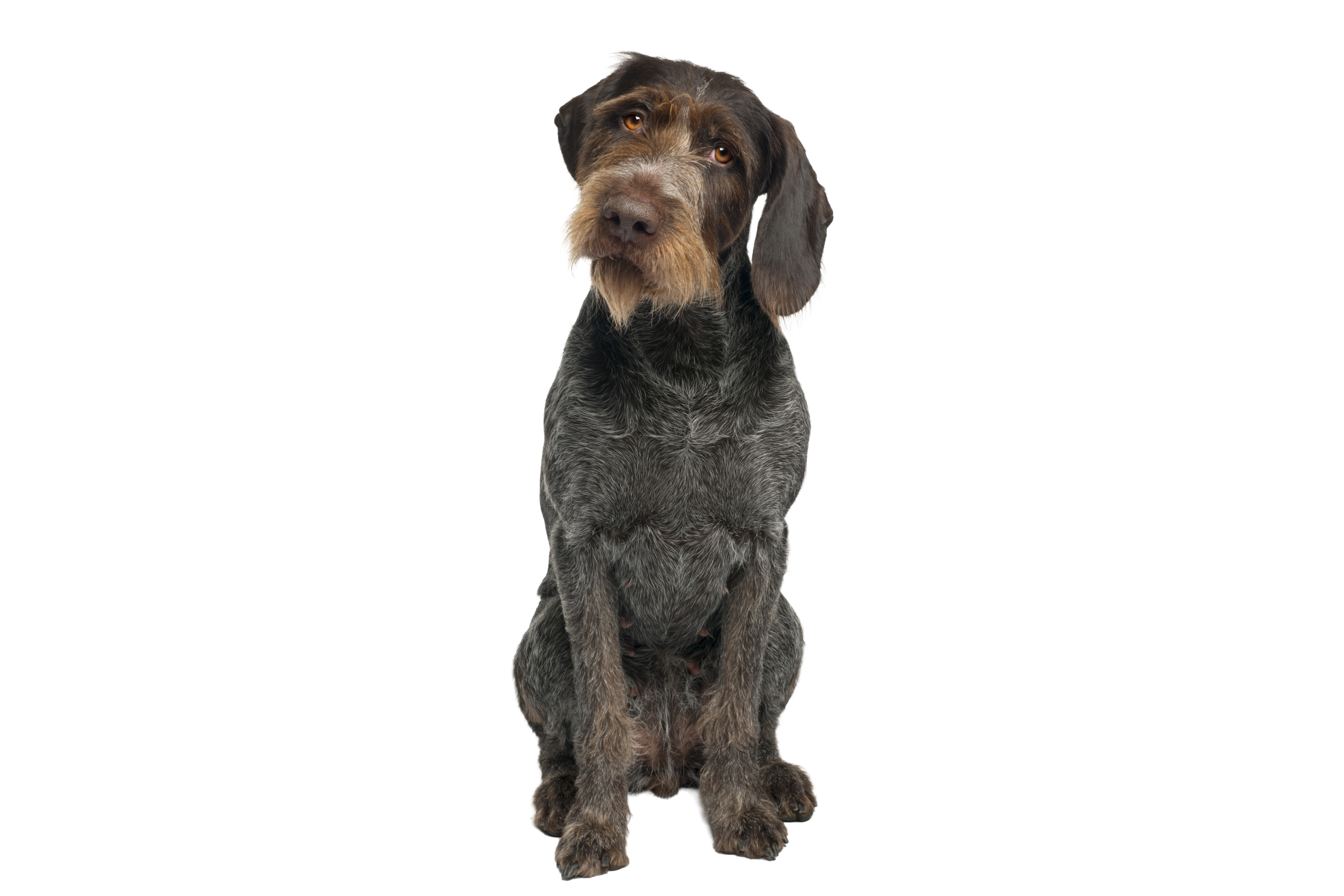

Weight
24-32 kg

Height
56-66 cm

Lifespan
10-14 years
What were German Wirehaired Pointers originally bred for?
German Wirehaired Pointers were developed in Germany in the late 19th century, following the development of the German Shorthaired Pointer. Breeders wanted to create a similarly versatile hunting dog that could handle tougher terrain and harsher weather conditions.
They were bred as all-purpose gundogs, capable of locating and pointing game, tracking wounded animals, flushing birds from dense cover, and retrieving waterfowl from cold lakes and rivers.
Their rugged build, weather-resistant coat, stamina and strong hunting instincts made them well suited to demanding hunting conditions.
Personality
Trainability level

Energy level

Barking level
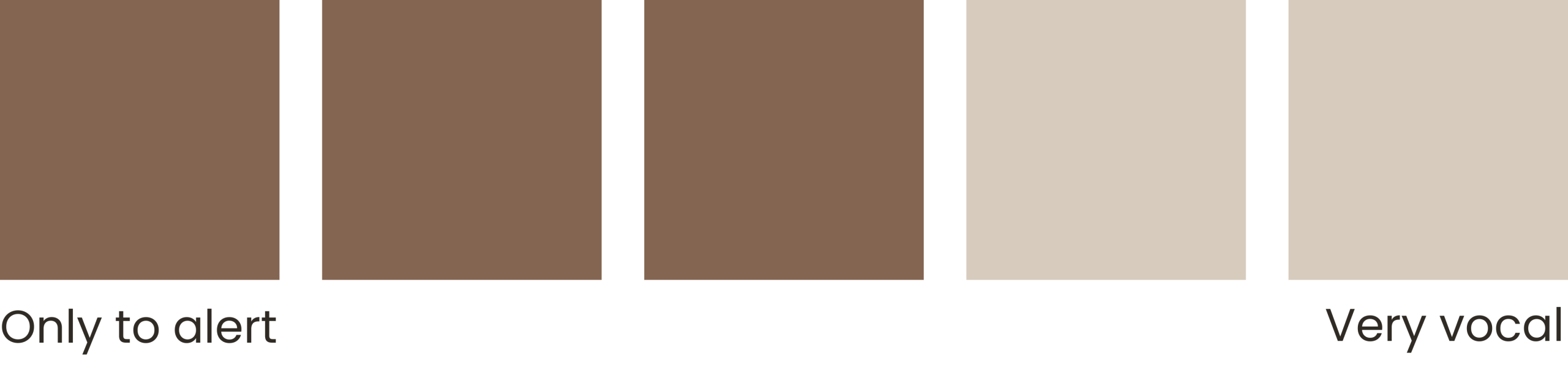
Mental stimulation needs

Family Life
Family affection

Compatibility with young children

Compatibility with other dogs

Social Traits
Stranger friendliness

Playfulness level

Protective instincts

Adaptability level

Physical Traits
Shedding level

Grooming frequency

Coat length & type
Wirehaired, water-repellent, double coat
Common health problems
German Wirehaired Pointers are generally a healthy breed, but like all dogs, they can be prone to certain health issues. These may include hip dysplasia, eye conditions such as progressive retinal atrophy, and some heart diseases. Responsible breeders help reduce these risks by screening their dogs before breeding.
Read more: How to Avoid Getting Scammed When Buying a Puppy in South Africa
GWPs can also be at risk of bloat, a serious and potentially life-threatening condition where the stomach fills with gas and may twist. Owners should learn the warning signs – such as a swollen abdomen, restlessness, or repeated attempts to vomit – and seek urgent veterinary care if it happens.
Disclaimer: This information is based on average breed traits and data collected from various reputable sources. Every dog is unique and may differ from these general descriptions.