
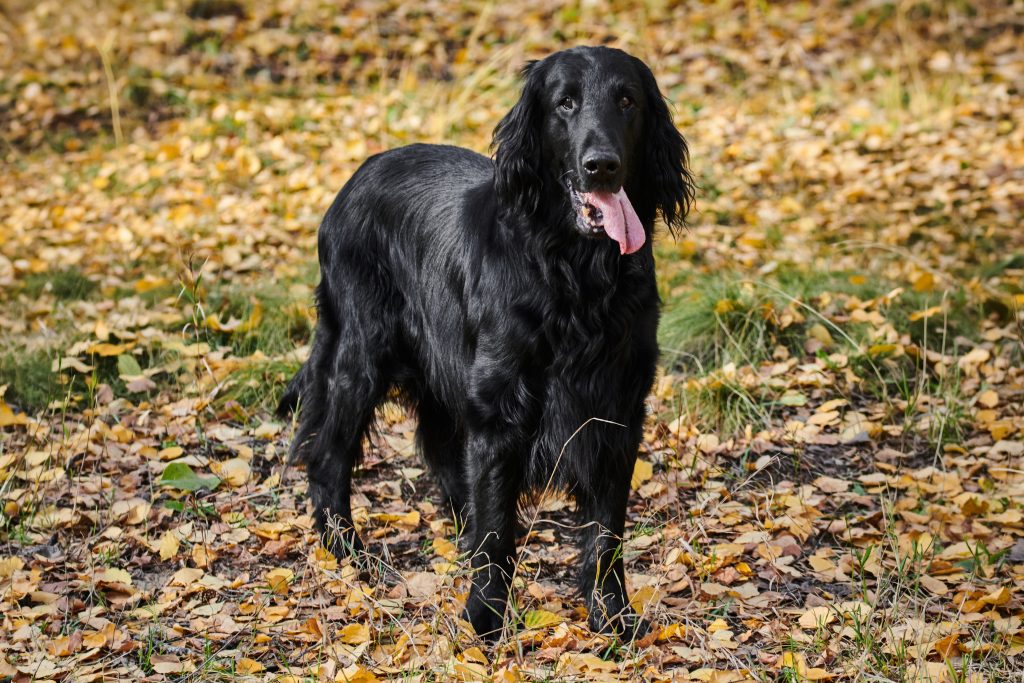
Flatcoated Retriever
The Flatcoated Retriever was developed in 19th-century England as a versatile hunting and retrieving dog.
The Flatcoated Retriever was developed in 19th-century England as a versatile hunting and retrieving dog.
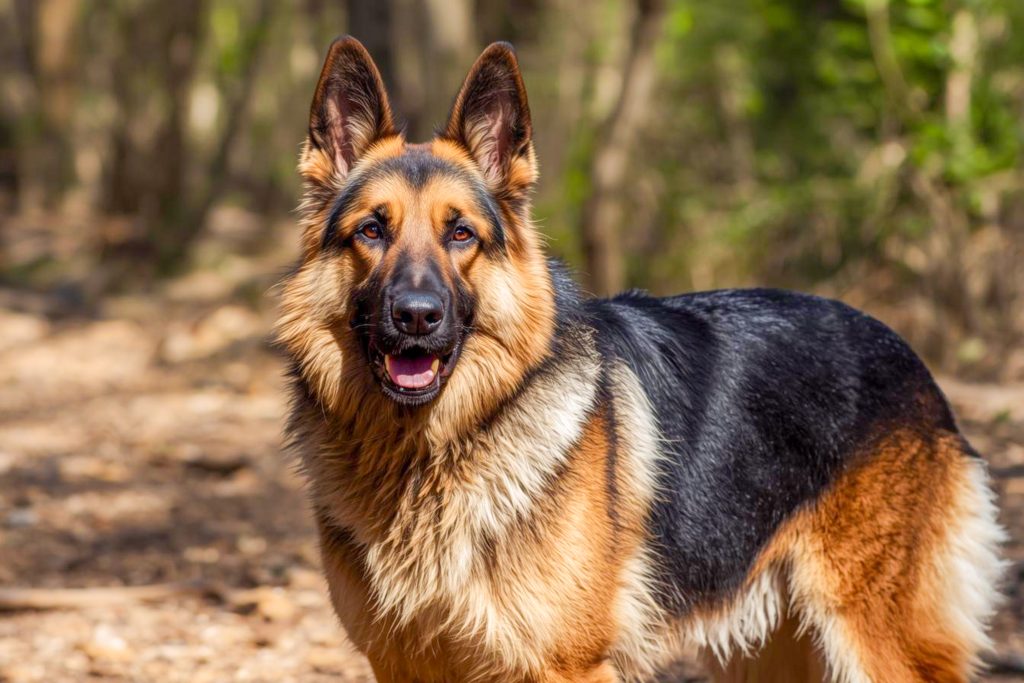
German Shepherds are often used as police and military dogs because they are loyal, brave, and have a strong sense of smell.

German Shorthaired Pointers were first bred in 19th-century Germany to be versatile all-round hunting dogs.
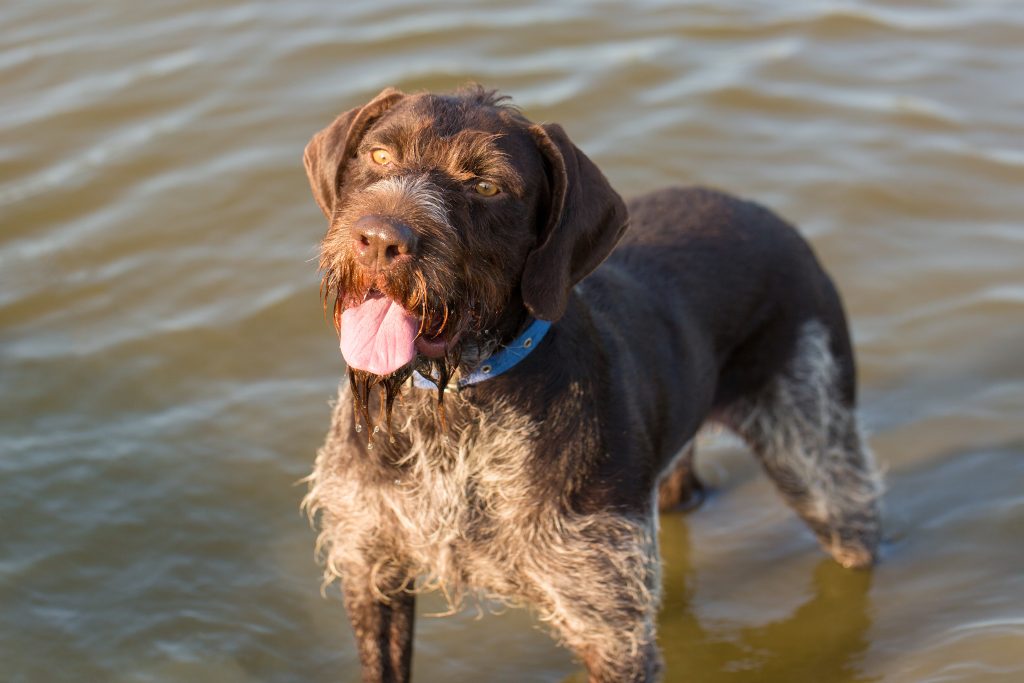
German Wirehaired Pointers were developed in the late 19th century, after the German Shorthaired Pointer.
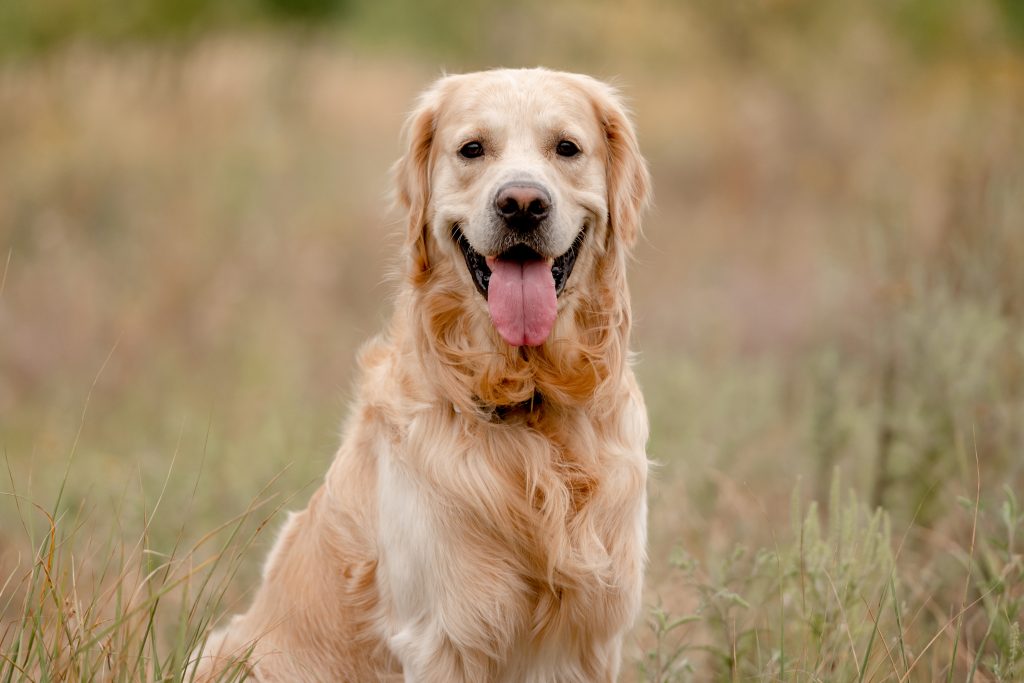
Golden Retrievers were developed with the goal of creating the ideal hunting dog for the wet, rocky terrain of Scotland.

Greyhounds’ hunting ability dates back thousands of years, and they were highly valued by ancient pharaohs and nobility.

Hungarian Vizslas were originally bred by Magyar noblemen and warriors to be versatile hunting companions.
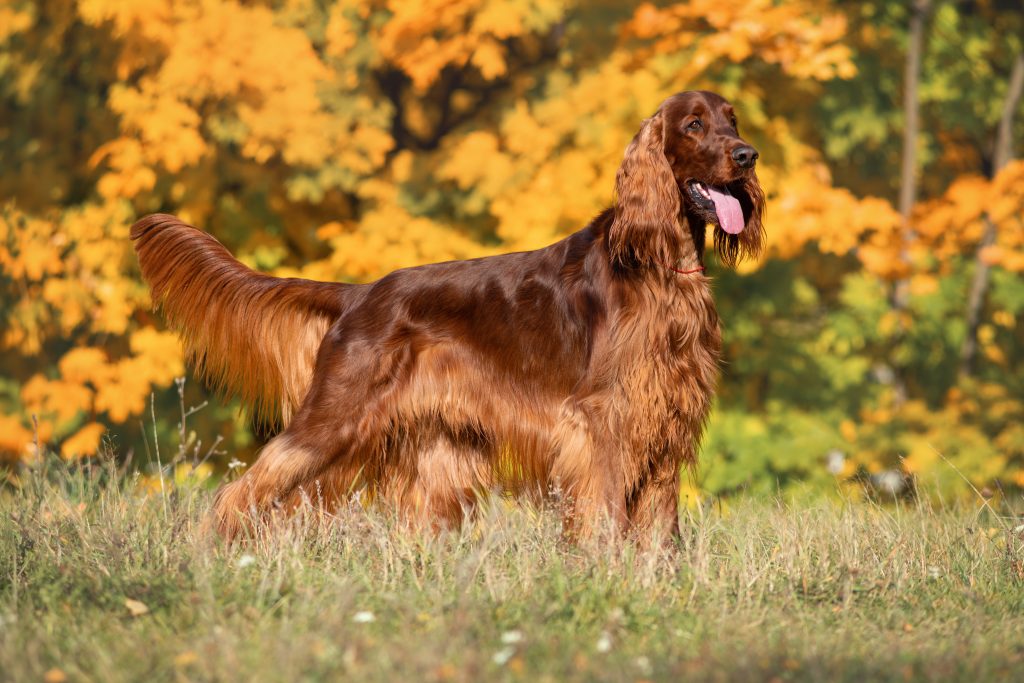
Irish Setters were originally bred in 18th-century Ireland as skilled hunting dogs with an excellent sense of smell.

The Labrador Retriever, often called a Labrador or simply a Lab, was first bred in Newfoundland to help fishermen and hunters.

Old English Sheepdogs were originally bred in England during the 1800s to help farmers manage and move livestock.
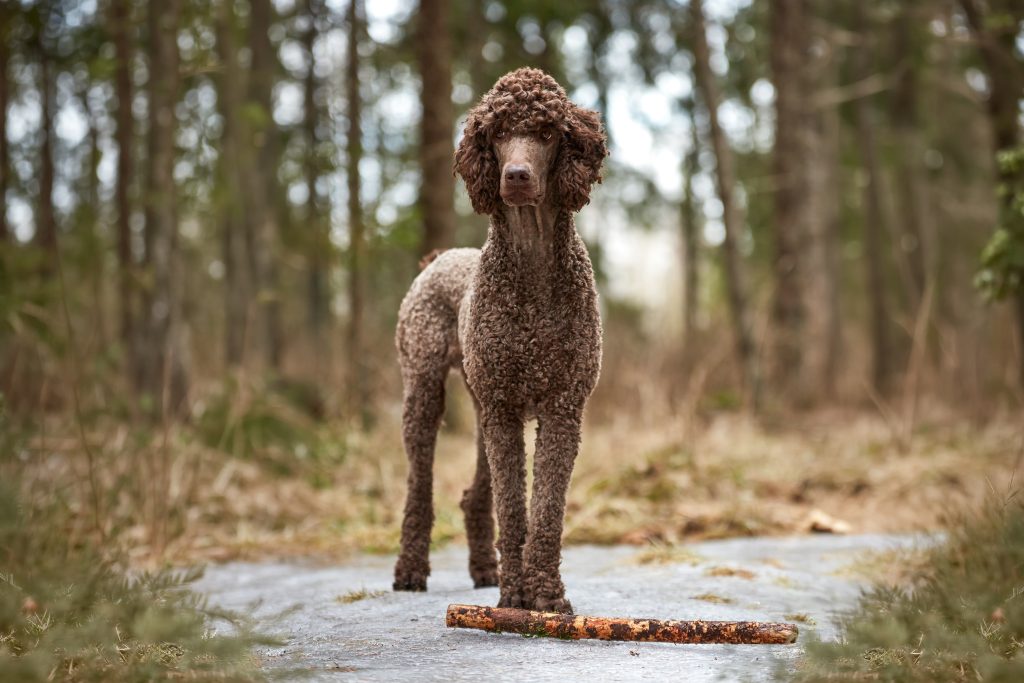
Standard Poodles retrieved waterfowl, and their distinctive “poodle clip” helped them swim while keeping them warm.
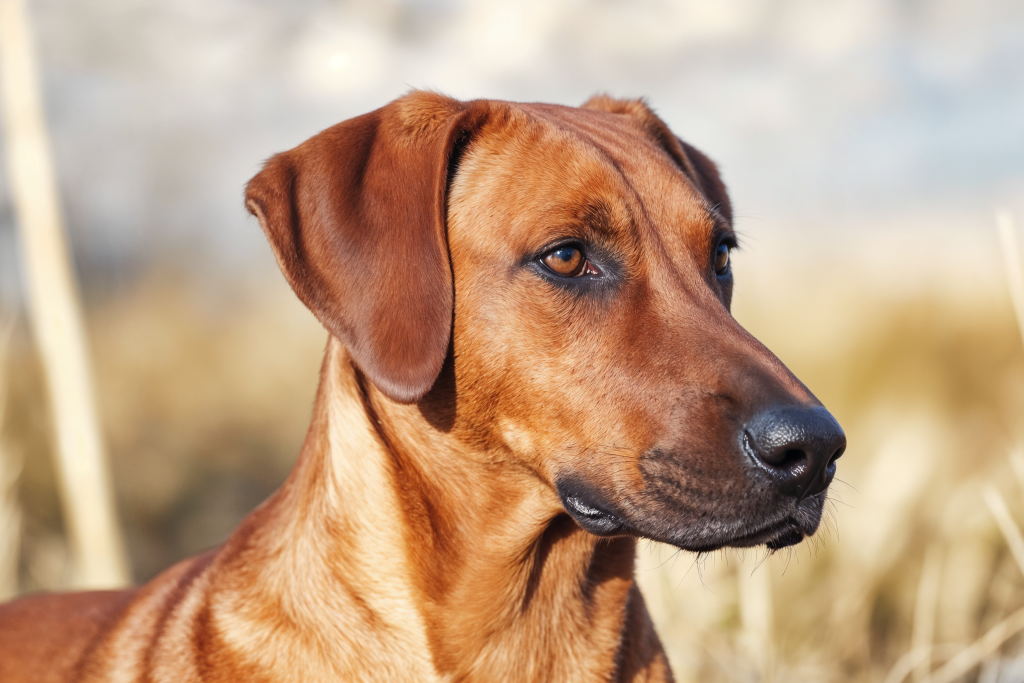
The Rhodesian Ridgeback was originally bred in Southern Africa in the late 1800s to track large game, including lions.

Originally bred by the Romans, Rottweilers herded livestock, pulled carts, guard camps, and protect travelling merchants.

Rough Collies were originally bred to herd and protect sheep across the rugged landscapes of the Scottish Highlands.

Weimaraners were bred in Germany as skilled hunting dogs known for their speed, courage, and strong sense of smell.