
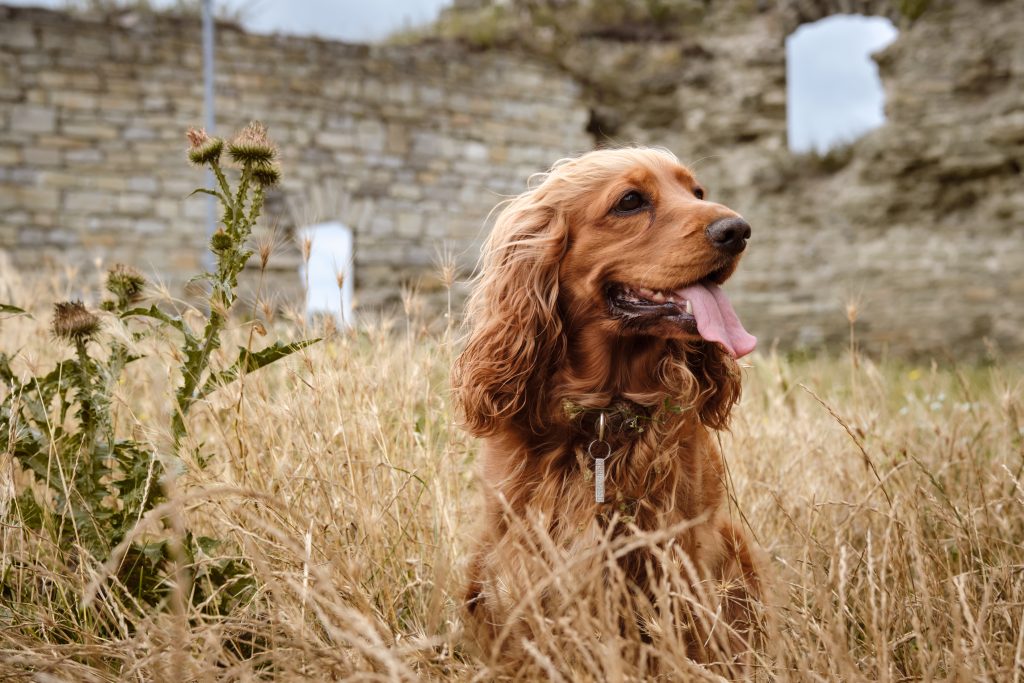
English Cocker Spaniel
English Cocker Spaniels were originally bred as gun dogs, trained to hunt, flush out, and retrieve upland game birds.
English Cocker Spaniels were originally bred as gun dogs, trained to hunt, flush out, and retrieve upland game birds.
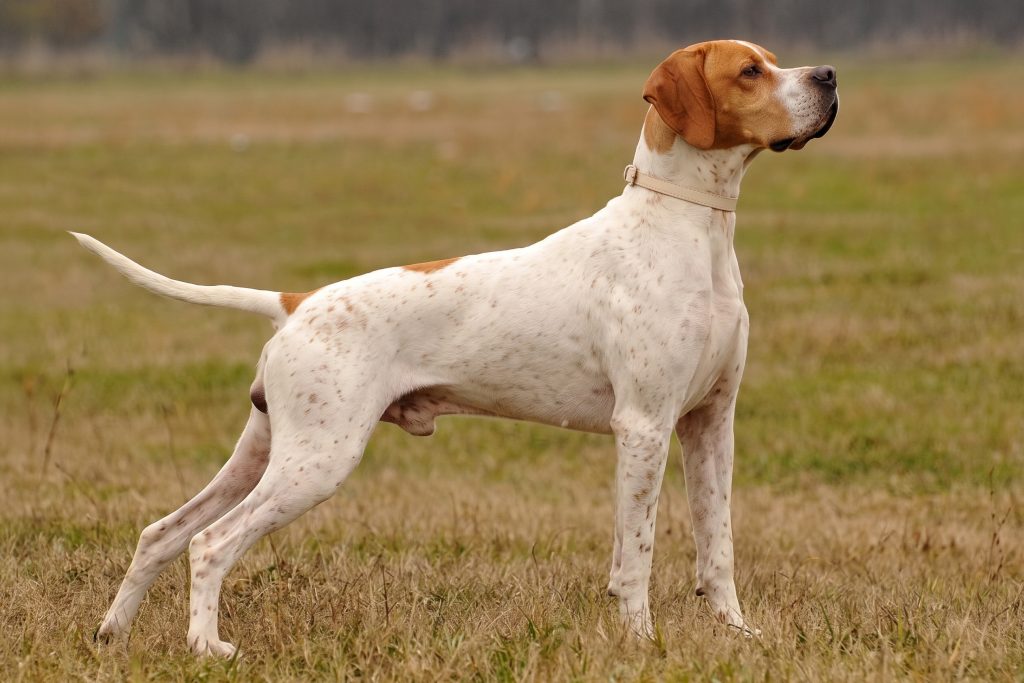
English Pointers were originally bred as hunting dogs, valued for their ability to locate and “point” at small game and birds.
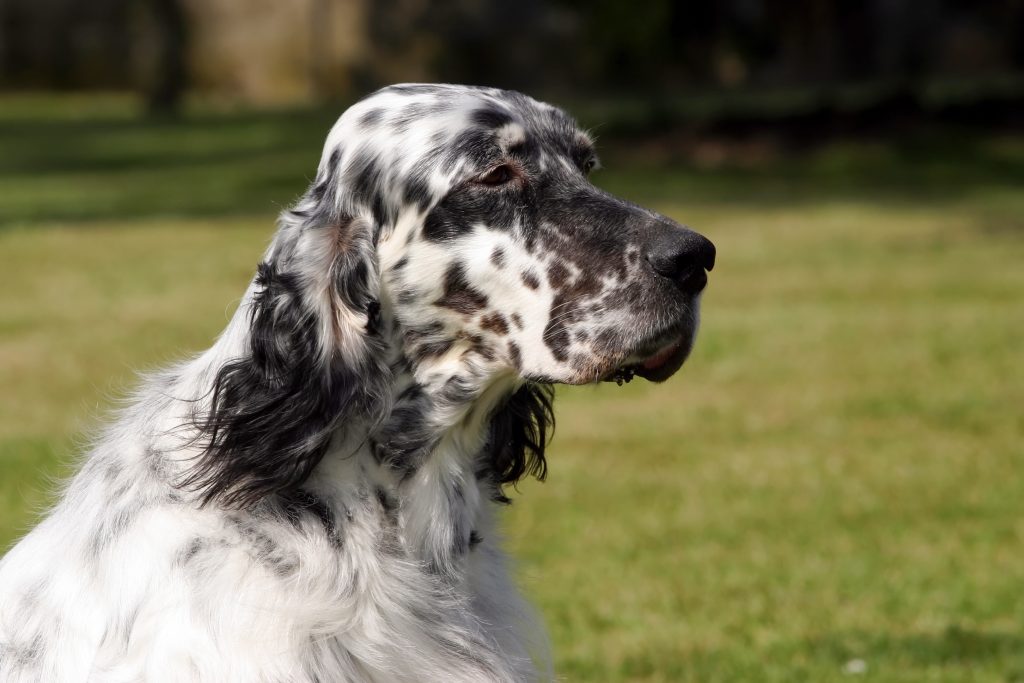
English Setters were originally bred more than 400 years ago to help hunters find upland game birds.
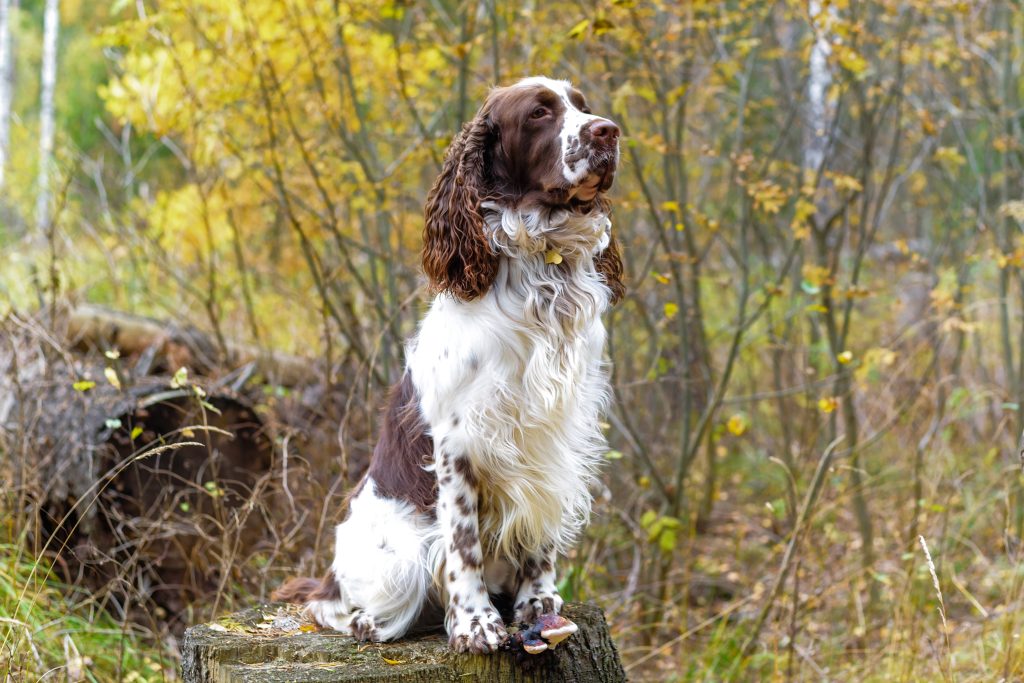
English Springer Spaniels were originally bred as versatile hunting companions whose main job was to flush game birds.
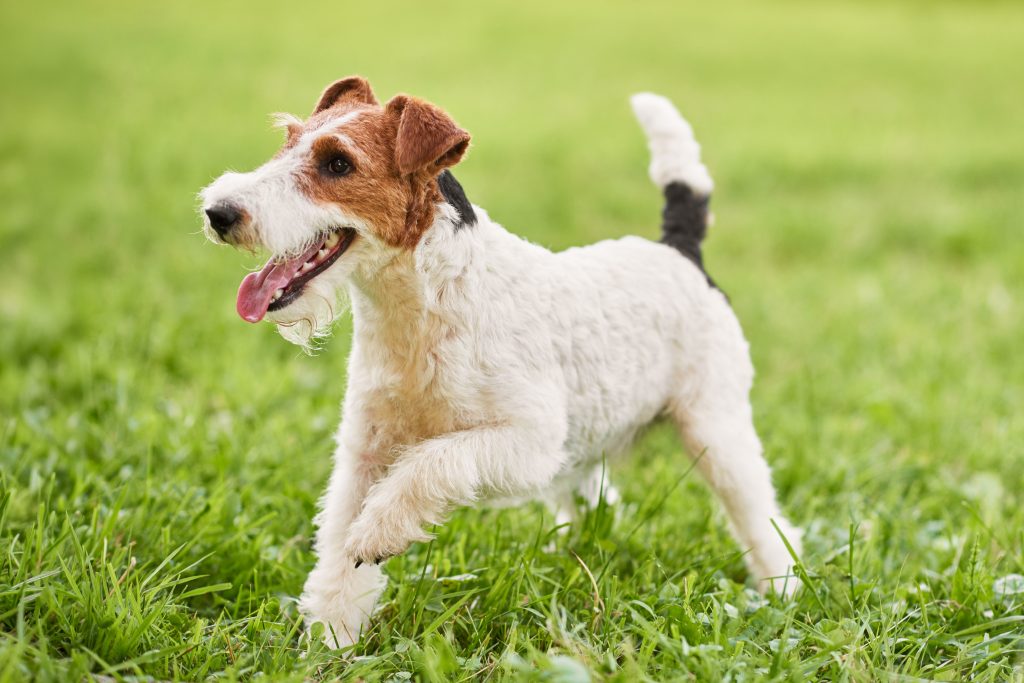
Fox Terriers were originally bred in 18th-century England to assist with fox hunting and to control vermin on farms.
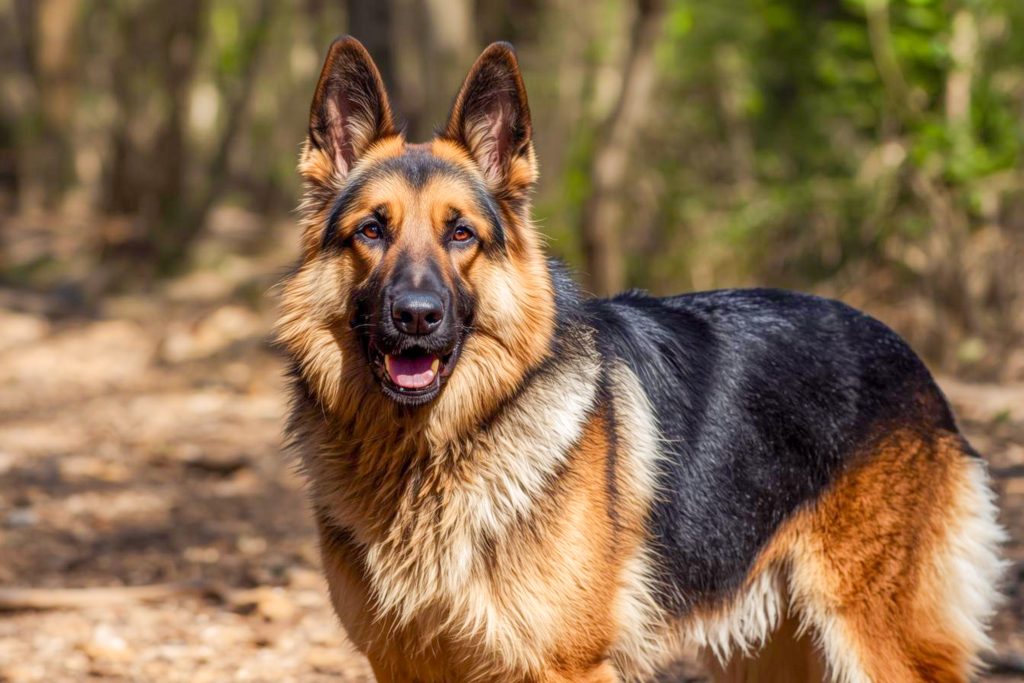
German Shepherds are often used as police and military dogs because they are loyal, brave, and have a strong sense of smell.
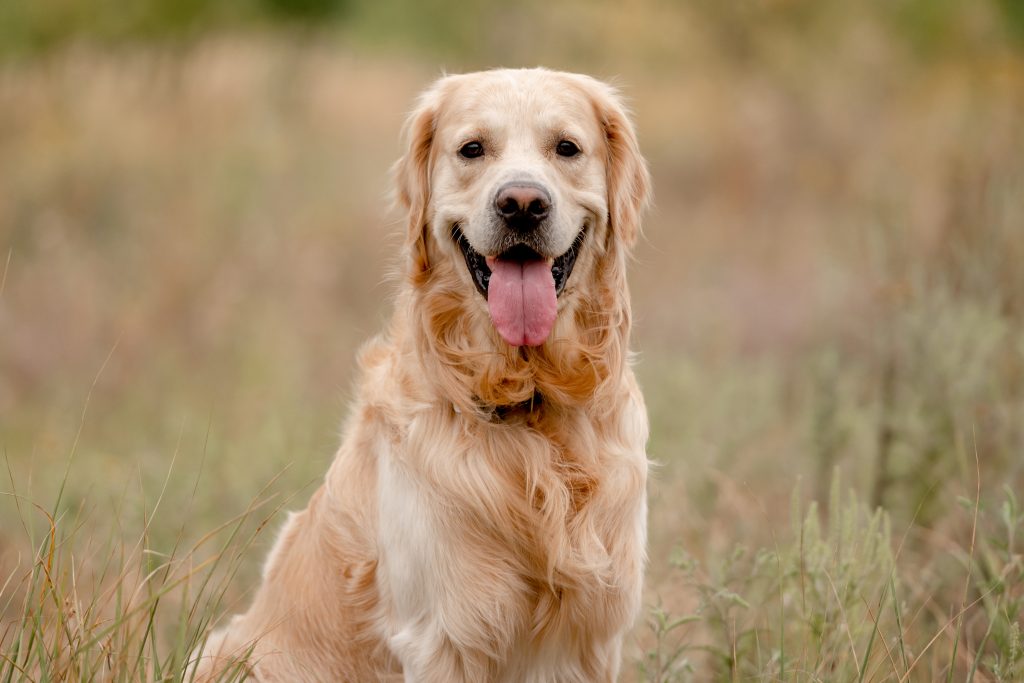
Golden Retrievers were developed with the goal of creating the ideal hunting dog for the wet, rocky terrain of Scotland.

Greyhounds’ hunting ability dates back thousands of years, and they were highly valued by ancient pharaohs and nobility.
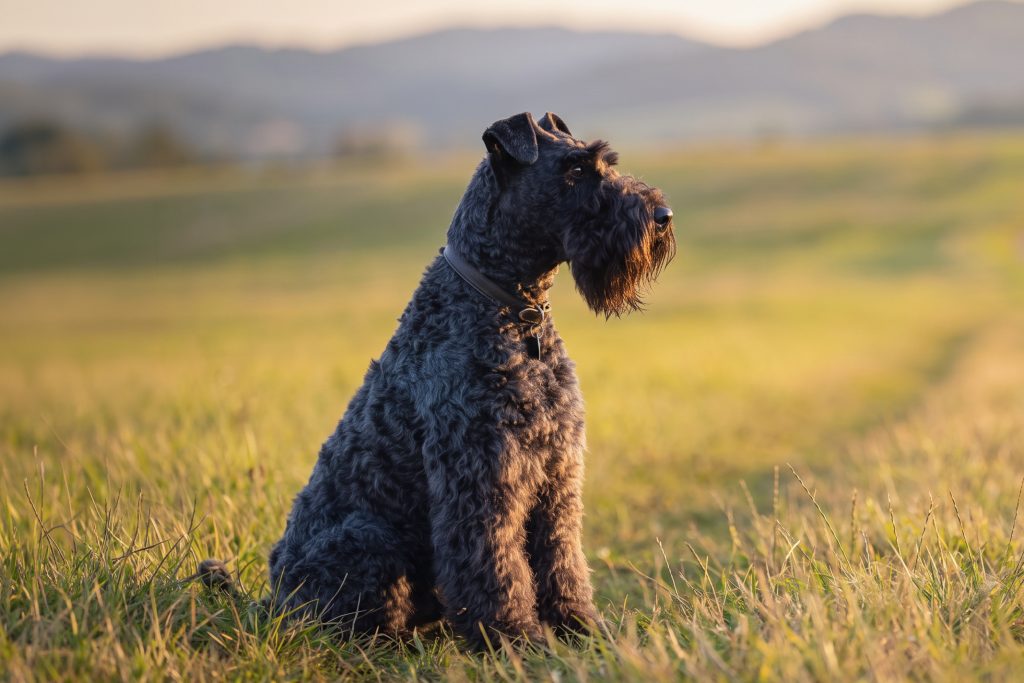
Originally bred as versatile farm dogs in Ireland, Kerry Blue Terriers were valued for their ability to perform a range of jobs.
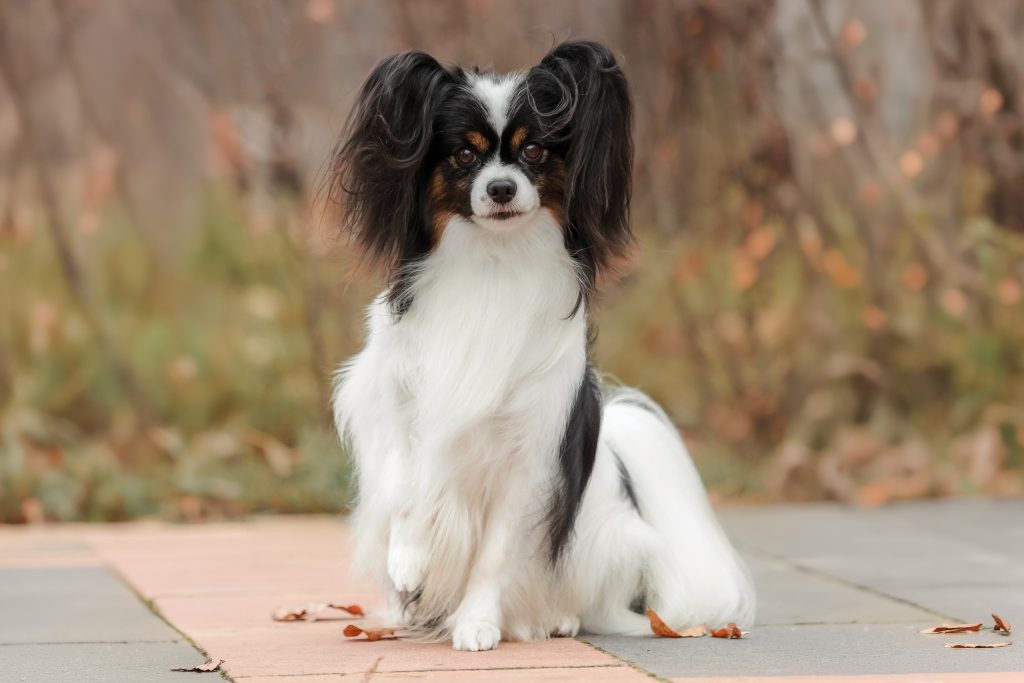
Papillons were originally bred as companion dogs for European nobility and royalty during the Renaissance.
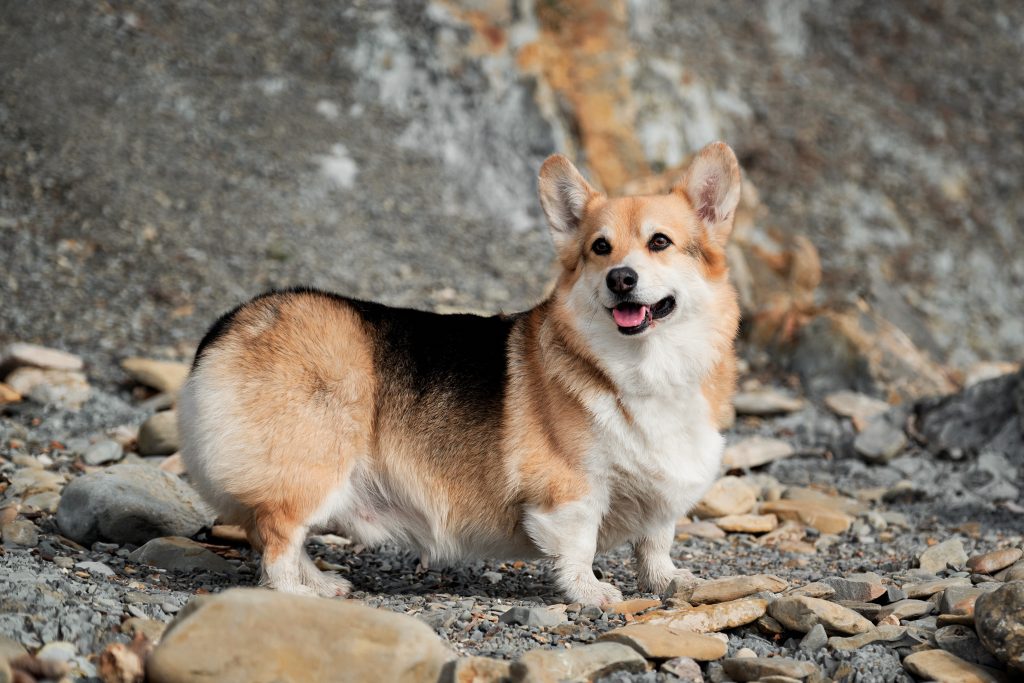
Pembroke Welsh Corgis were originally bred in Wales as hardworking farm and herding dogs.
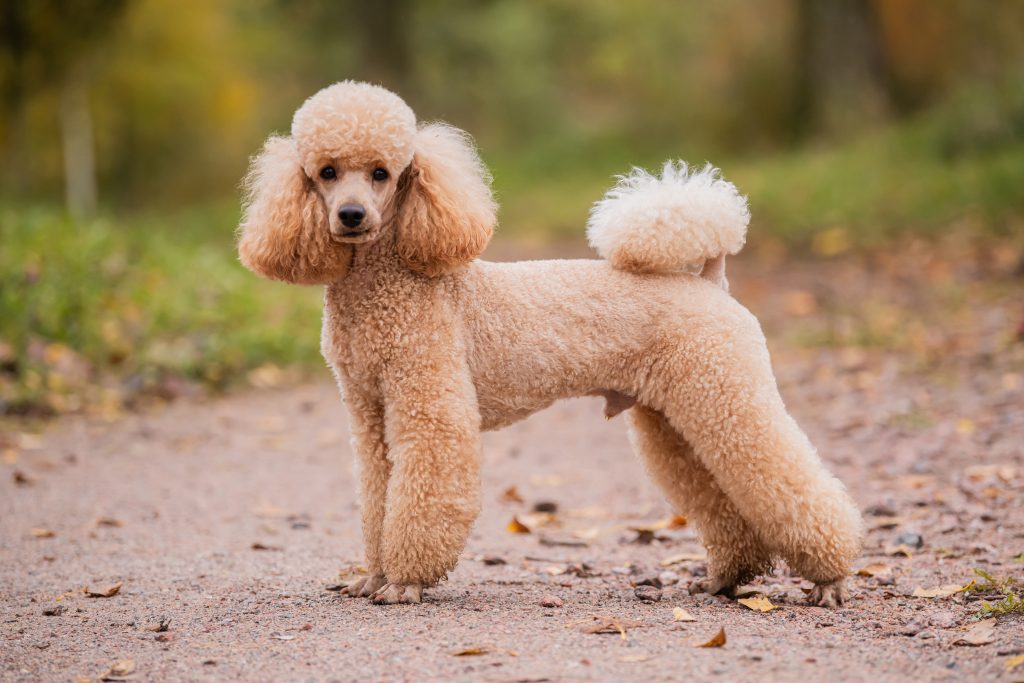
Poodles were originally bred as water retrievers, helping hunters retrieve ducks and other waterfowl.
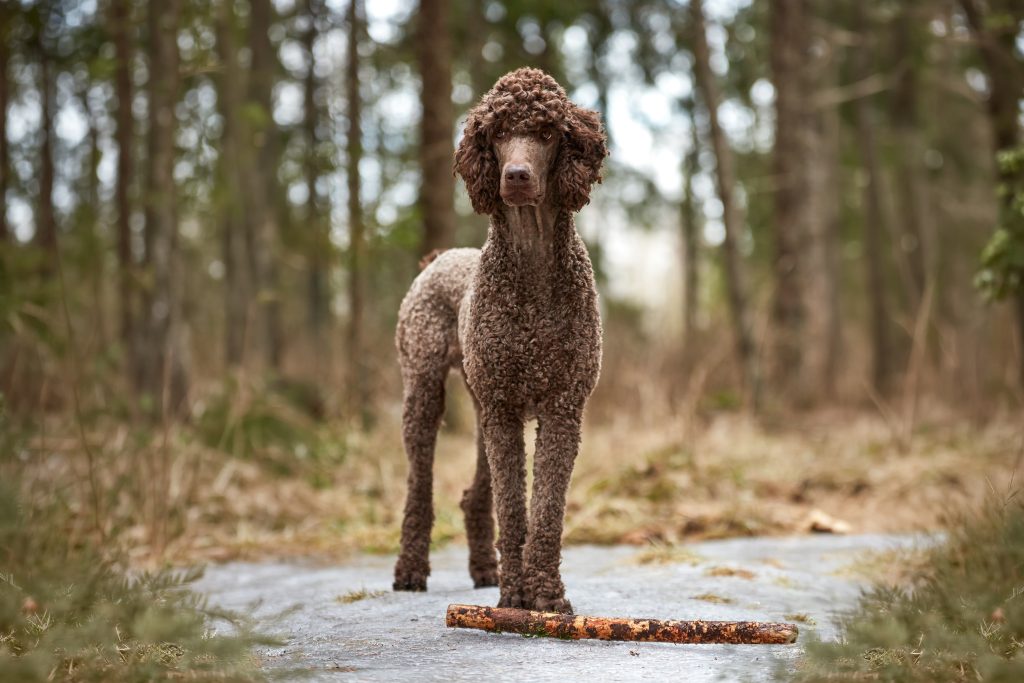
Standard Poodles retrieved waterfowl, and their distinctive “poodle clip” helped them swim while keeping them warm.
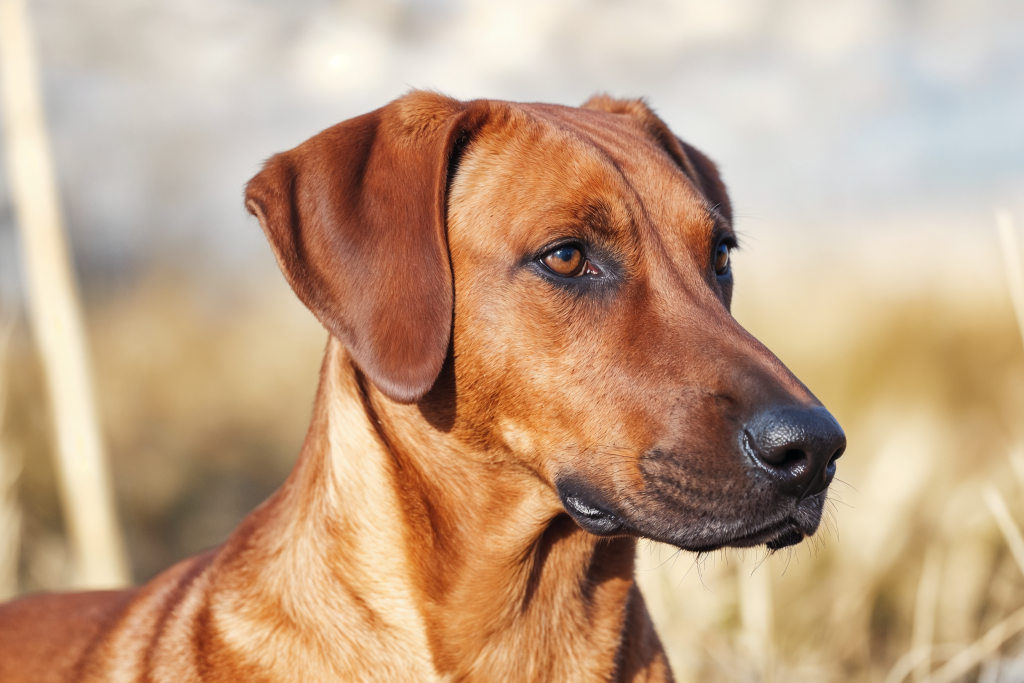
The Rhodesian Ridgeback was originally bred in Southern Africa in the late 1800s to track large game, including lions.

Salukis were originally bred by nomadic tribes and Middle Eastern royalty to hunt fast-moving prey using their eyesight.