
Not all dogs have thick double coats or long flowing fur. Many breeds have a single coat, meaning they have only one layer of hair without a soft insulating undercoat. While single-coated dogs generally shed less than double-coated breeds, they still need regular grooming to keep their skin and coat healthy.
A consistent grooming routine helps remove dirt, loose hair, and dead skin while preventing tangles, reducing odours, and allowing you to spot potential health concerns before they become serious.
Whether you own a playful Poodle, an affectionate Yorkshire Terrier, or an elegant Maltese, this guide will help you keep your single-coated dog looking and feeling its best.
What Is a Single Coat?
A single coat means your dog has only one layer of fur rather than the two layers found in double-coated breeds. Without a dense undercoat, these dogs usually shed less, but their hair often grows continuously and requires regular brushing and trimming.
Single coats can be straight, silky, curly, or wavy, depending on the breed. Because there is no undercoat to trap loose hair, the coat is less prone to heavy seasonal shedding. However, it can easily become tangled or matted if it isn’t maintained properly.
How Often Should You Groom a Single-Coated Dog?
The ideal grooming routine depends on your dog’s coat type and lifestyle, but most single-coated dogs benefit from brushing several times a week.

Straight or silky coats should be brushed two to three times a week, while curly or continuously growing coats may need daily brushing to prevent knots and mats.

Bathing every four to six weeks is suitable for most single-coated dogs. Dogs that regularly swim, hike, or spend time outdoors may need more frequent baths. Always use a gentle, dog-specific shampoo that supports healthy skin and coat condition.

Check your dog’s nails every few weeks and trim them before they become too long. If you hear them clicking on hard floors, it’s usually time for a trim.

Inspect the ears weekly for redness, unpleasant odours, or excess wax. Breeds with floppy or heavily feathered ears may require more frequent cleaning to reduce the risk of ear infections.

Dental care should also be part of your routine. Brushing your dog’s teeth several times a week helps prevent plaque build-up, freshens breath, and supports long-term oral health.
Choosing the Right Grooming Tools
Using the right grooming tools makes coat maintenance much easier.
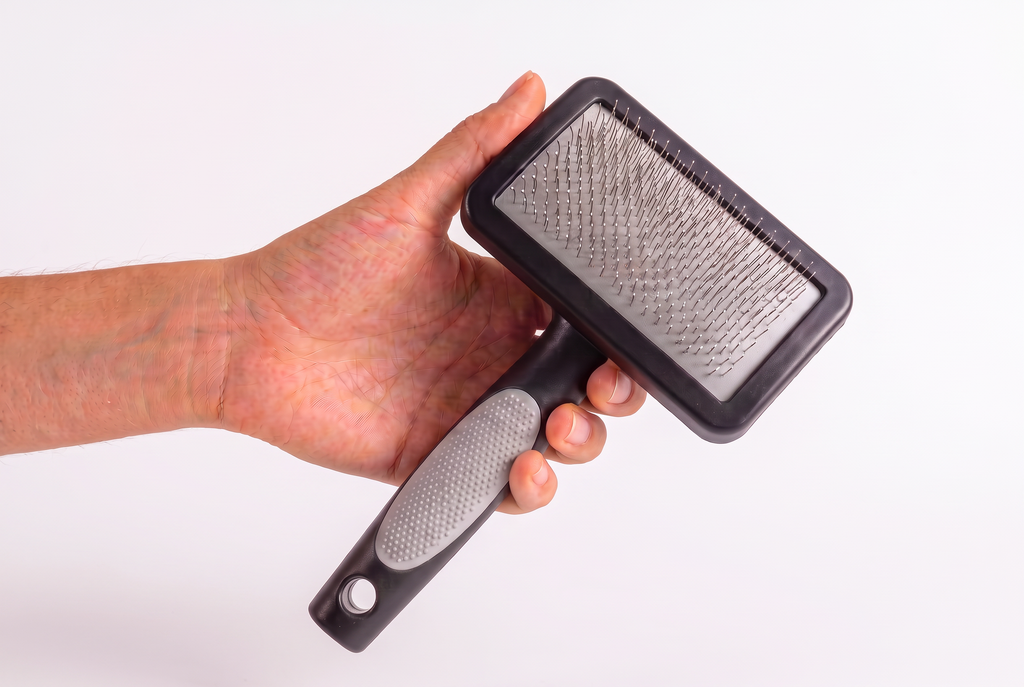
A slicker brush works well for removing loose hair and preventing tangles in most single-coated breeds. A metal comb is useful for checking areas that are prone to matting, such as behind the ears, under the legs, around the collar, and near the tail.
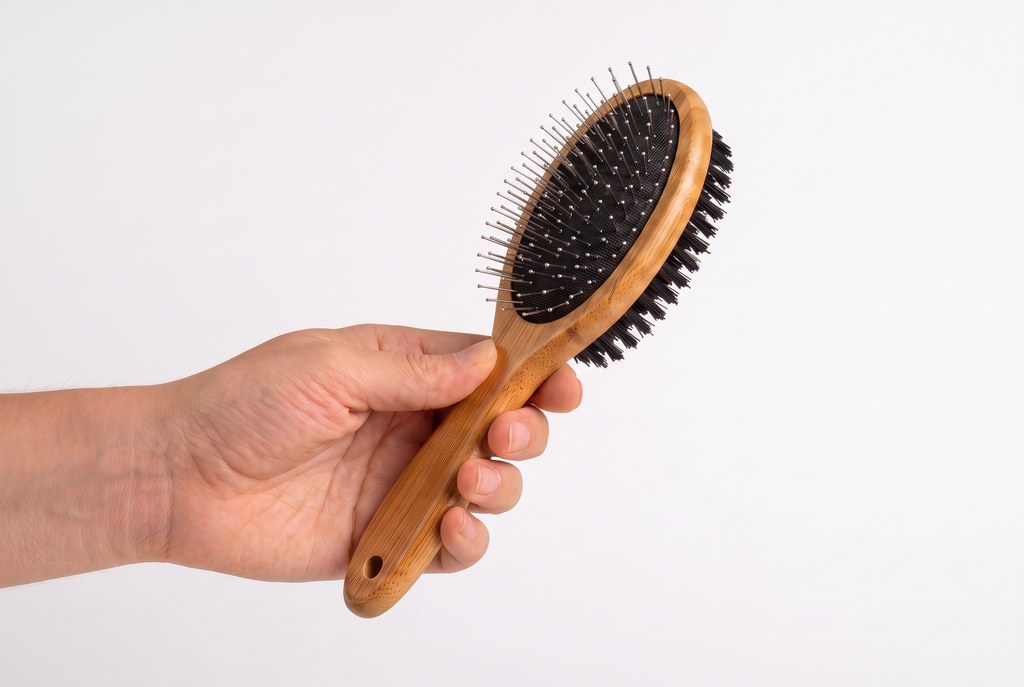
Curly-coated breeds often benefit from a pin brush that separates the coat without causing unnecessary breakage.
Your grooming kit should also include a quality dog shampoo, a conditioner, if recommended for your dog’s coat type, nail clippers or a grinder, an ear cleaner, a toothbrush, toothpaste, and absorbent towels.
Preventing Mats and Tangles
Although single-coated dogs may shed less, many are more prone to matting because loose hairs remain trapped within the growing coat.
Mats often develop behind the ears, under the collar, in the armpits, around the tail, and between the legs. Left untreated, they can tighten against the skin, causing discomfort, irritation, and reduced airflow.
Regular brushing is the best way to prevent mats from forming. If you discover small tangles, gently work through them with a comb or suitable detangling brush. Large or tight mats should be removed by a professional groomer to avoid injuring your dog’s skin.
Regular Haircuts Are Often Essential
Unlike many double-coated breeds, single-coated dogs often require routine clipping to keep their coats manageable.
Depending on the breed and how quickly the coat grows, professional trimming is usually recommended every six to eight weeks. Regular haircuts help prevent matting, improve hygiene, and keep your dog comfortable throughout South Africa’s warm summers.
Discuss the most suitable coat length with your groomer based on your dog’s breed, lifestyle, and the time you can dedicate to home maintenance.
Don’t Forget Paw Care
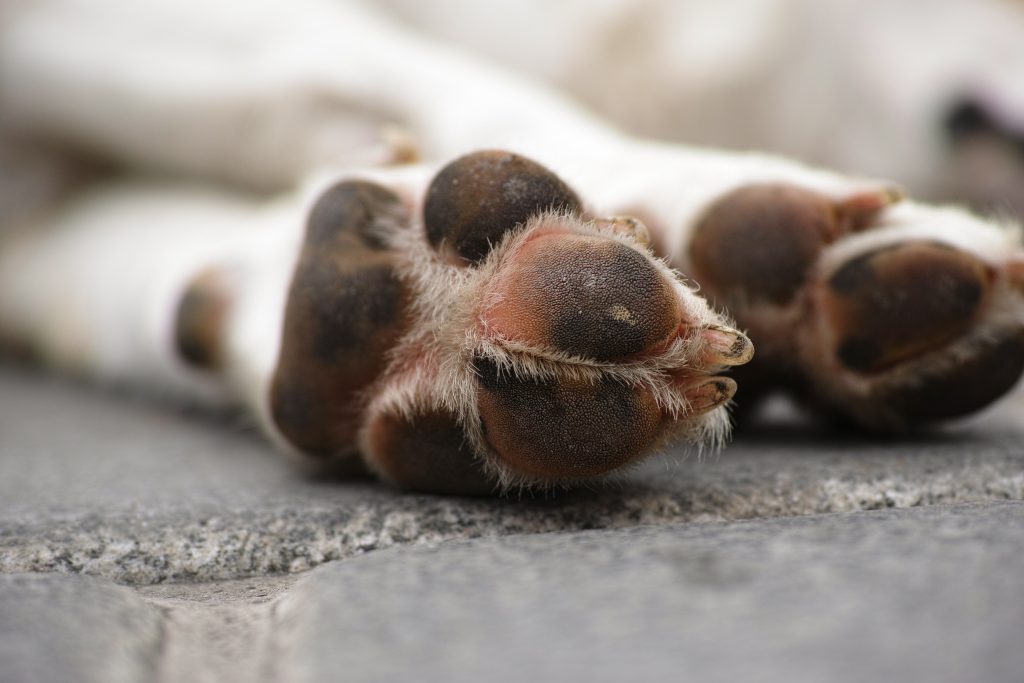
Your dog’s paws deserve regular attention, especially if they enjoy walks on beaches, hiking trails, or pavements.
Check the paw pads after walks for grass seeds, thorns, cuts, or small stones. Many single-coated breeds also grow hair between their paw pads, which should be trimmed regularly to improve grip and prevent dirt and debris from becoming trapped.
Applying a dog-safe paw balm can help keep paw pads moisturised and protected during dry winter months or periods of extreme heat.
When Should You Visit a Professional Groomer?
Professional grooming plays an important role in the care of many single-coated breeds.
A professional groomer can safely trim the coat, remove stubborn mats, clip nails, clean ears, and perform a thorough skin and coat inspection. Regular appointments also help keep the coat neat and much easier to maintain between visits.
For most single-coated dogs, scheduling a professional grooming appointment every six to eight weeks helps maintain coat health and prevents grooming from becoming stressful.
Final Thoughts
Single-coated dogs may shed less than double-coated breeds, but they still require regular grooming to stay healthy and comfortable. Frequent brushing, routine bathing, professional haircuts, nail trimming, ear care, dental hygiene, and paw checks all contribute to a clean, healthy coat and happy dog.
By following a consistent grooming routine, you’ll prevent painful mats, maintain a healthy coat, and strengthen the bond you share with your dog. Whether your companion enjoys outdoor adventures or relaxing at home, proper grooming ensures they always look and feel their very best.