


Weight
3-4 kg (toy)
7-8 kg (miniature)

Height
25-28 cm (toy)
28-38 cm (miniature)

Lifespan
12-16 years
What were Poodles originally bred for?
Poodles were originally bred as water retrievers, helping hunters retrieve ducks and other waterfowl from lakes and marshes.
The breed originated in Germany during the 17th century, and its name comes from the German word pudel, meaning “to splash”. Their intelligence, webbed paws, and excellent swimming ability made them ideal working dogs.
As the breed evolved, breeders developed Miniature Poodles for their keen sense of smell, using them to hunt valuable truffles hidden underground. Later, they bred Toy Poodles as companion dogs. In addition, their remarkable intelligence made them popular performers in circuses and street shows.
Today, people know Poodles best as affectionate family pets, but all three sizes still retain the intelligence and trainability of their working ancestors
Personality
Trainability level

Energy level

Barking level
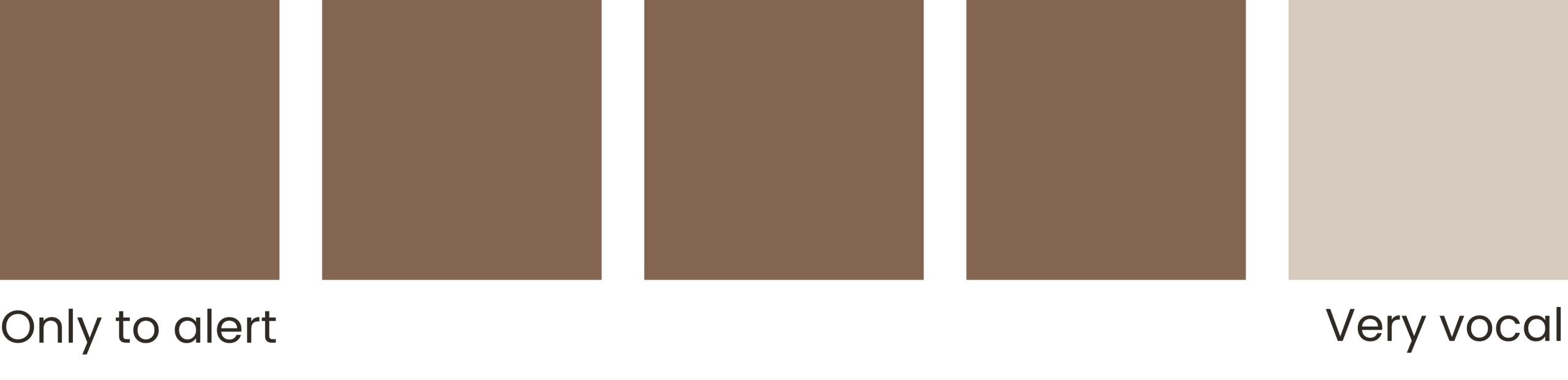
Mental stimulation needs
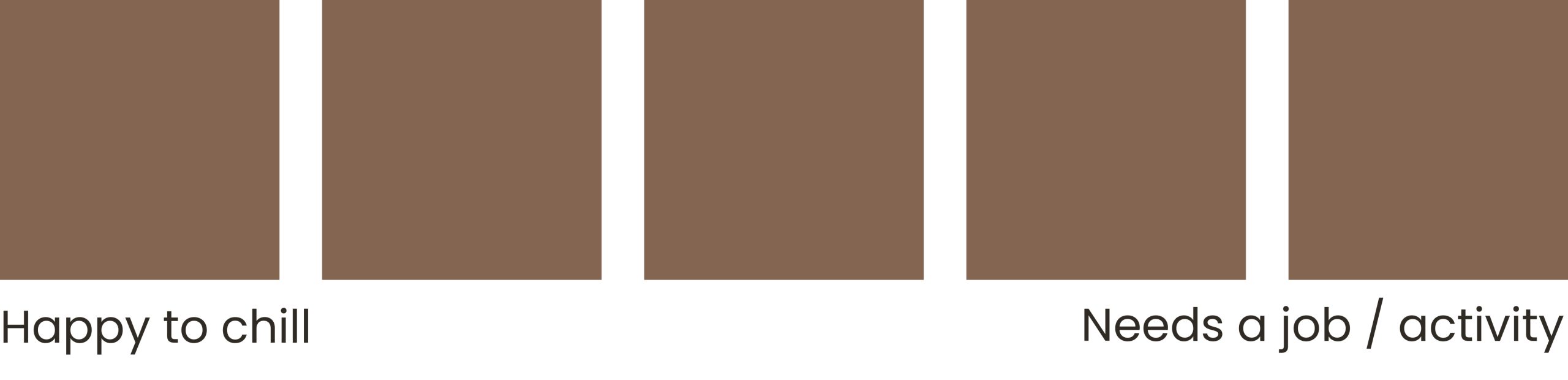
Family Life
Family affection

Compatibility with young children
Compatibility with other dogs
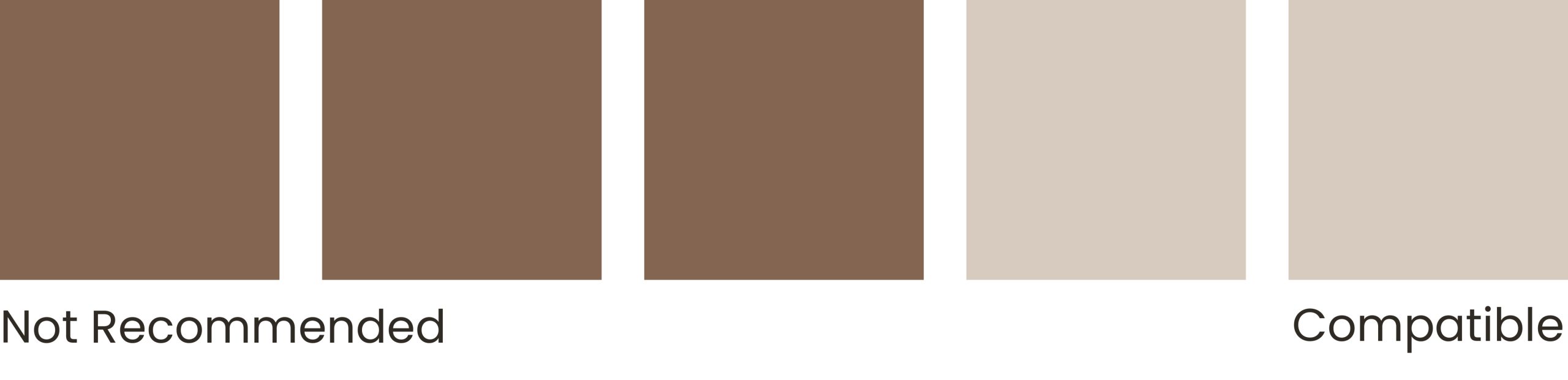
Social Traits
Stranger friendliness
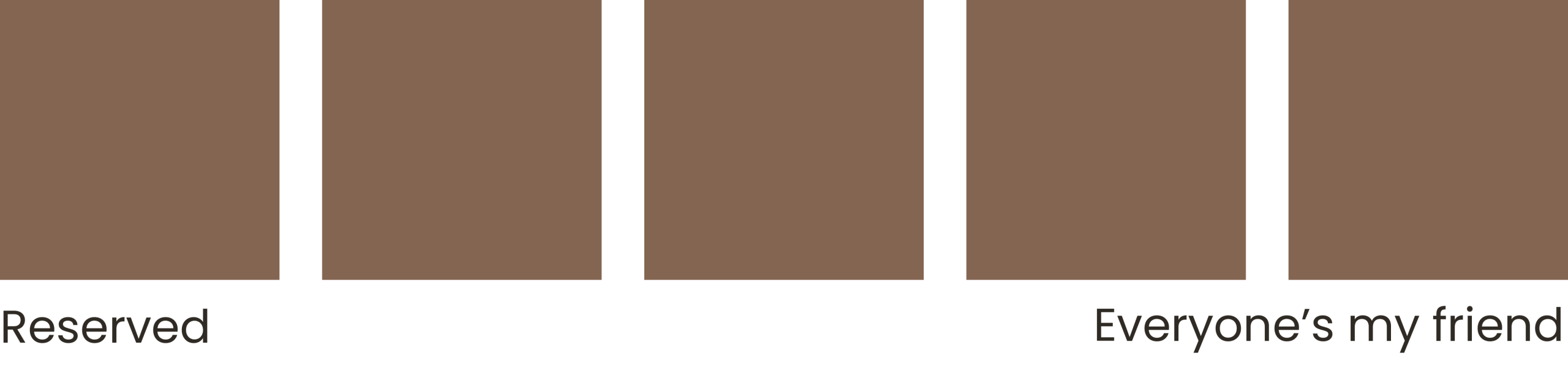
Playfulness level
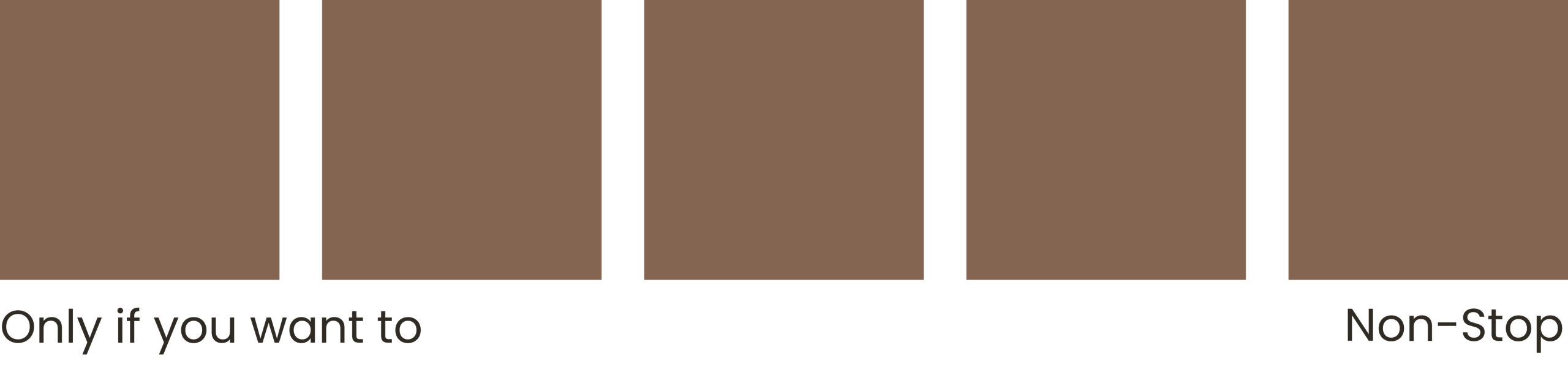
Protective instincts

Adaptability level

Physical Traits
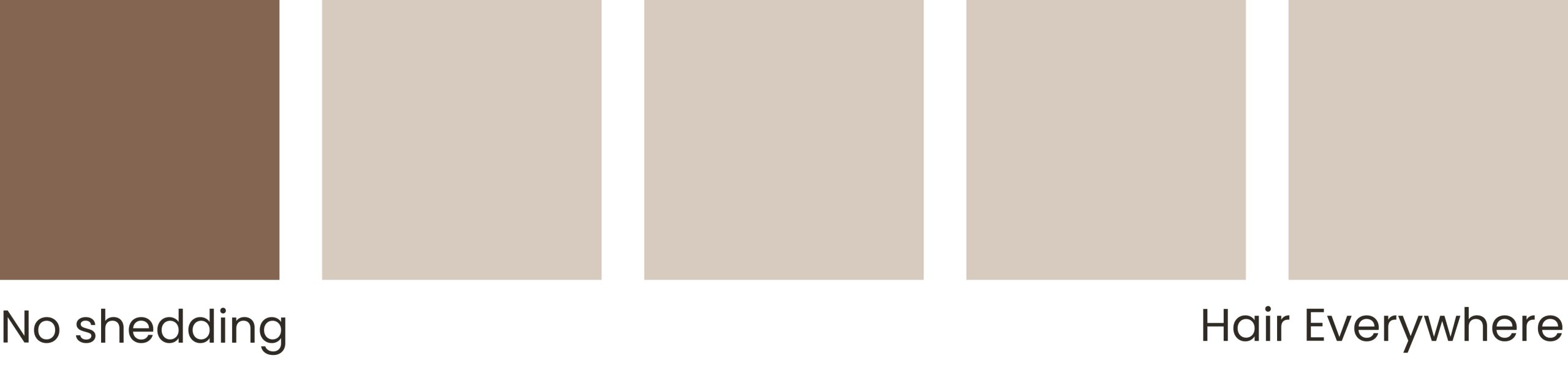
Shedding level
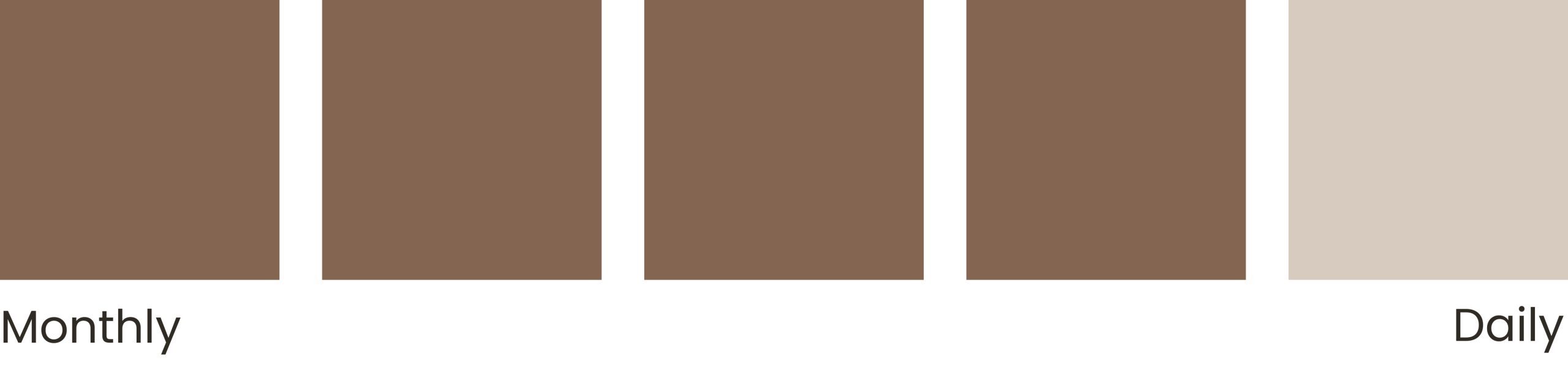
Grooming frequency
Coat length & type
Long-haired, curly coat
Common health problems
Poodles are generally healthy dogs with long lifespans, especially when they come from responsible breeders who screen their breeding dogs for inherited health conditions. However, like all breeds, they can still develop certain health problems.
Read more: How to Avoid Getting Scammed When Buying a Puppy in South Africa
Common concerns include hip dysplasia, eye disorders, epilepsy, sebaceous adenitis (a skin condition), von Willebrand’s disease (a bleeding disorder), and some immune-related diseases.
Toy and Miniature Poodles are also more likely than Standard Poodles to develop orthopaedic conditions such as Legg-Calvé-Perthes disease and luxating patellas, where the kneecap slips out of place.
Disclaimer: This information is based on average breed traits and data collected from various reputable sources. Every dog is unique and may differ from these general descriptions.