
As a dog owner, it can be difficult to know when a change in your dog’s behaviour or health needs veterinary attention. Some symptoms may be minor and temporary, while others can be early warning signs of a more serious condition.
Dogs are often good at hiding signs of pain or discomfort, making subtle changes in their behaviour or health easy to miss. Knowing the common signs that your dog needs to see a vet can help you act early and potentially prevent a small problem from becoming more serious.
10 Signs Your Dog May Need to See a Vet
1. Vomiting or diarrhoea
An occasional episode of vomiting may not always be cause for concern if your dog quickly returns to normal. However, repeated vomiting or ongoing diarrhoea can lead to dehydration and nutrient loss. If symptoms continue, contact your vet as quickly as possible.
2. New lumps or bumps
Not every lump is cause for concern, but any new or unusual swelling should be examined by your vet. Lumps can have many causes, including insect bites, abscesses, fluid build-up and, in some cases, cancer. Your vet can examine the lump and determine whether further testing is needed.
3. Limping or difficulty moving
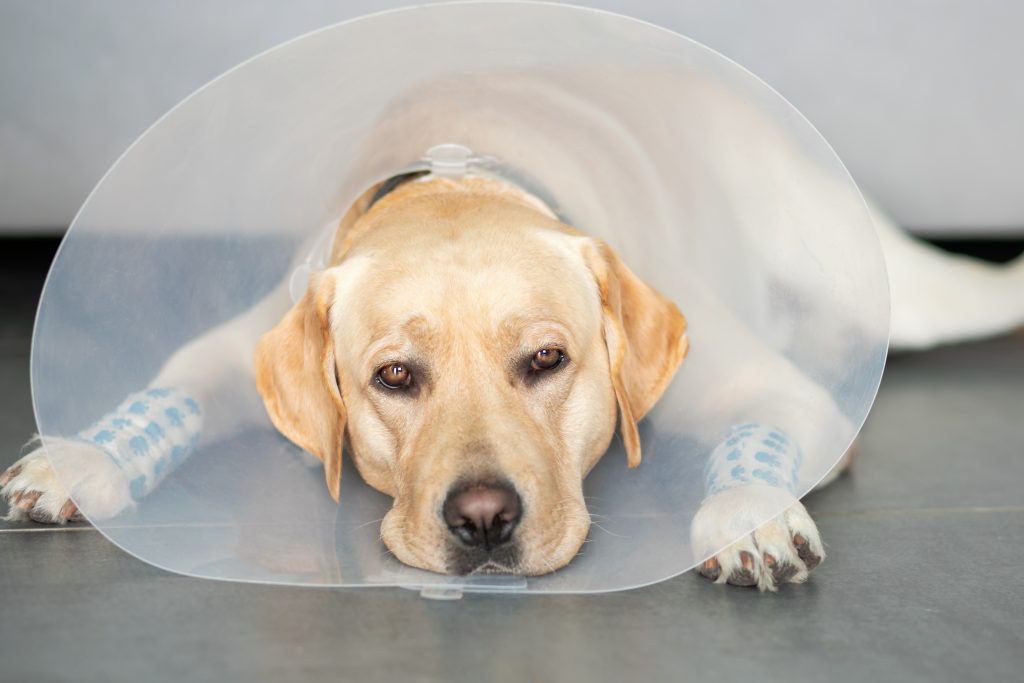
Limping can indicate that your dog is experiencing pain. Possible causes include muscle injuries, arthritis, fractures, ligament problems or issues affecting the spine. If your dog suddenly starts limping or you notice a change in the way they move, a veterinary examination can help determine the underlying cause.
4. Persistent bad breath
Bad breath is more than just an unpleasant smell. It is often associated with dental disease caused by plaque and tartar build-up, but it can also be associated with certain underlying illnesses. Regular veterinary dental checks are an important part of your dog’s overall health care.
5. Coughing
A persistent cough should not be ignored. Coughing can have many possible causes, ranging from respiratory irritation and kennel cough to heart, lung or airway problems. Your vet can determine whether your dog needs further testing or treatment.
6. Changes in appetite or thirst
A sudden change in how much your dog eats or drinks can be an early indication that something is wrong. Increased thirst, a noticeable change in appetite, or refusing food or water should be discussed with your vet, especially if these changes occur suddenly or are accompanied by other symptoms.
7. Changes in urination or bowel movements
Pay attention to changes in your dog’s toileting habits, including frequency, colour, consistency or difficulty passing urine or faeces. Straining, blood in the urine or stool, or suddenly urinating in unusual places can all warrant veterinary attention.
8. Eye or ear problems
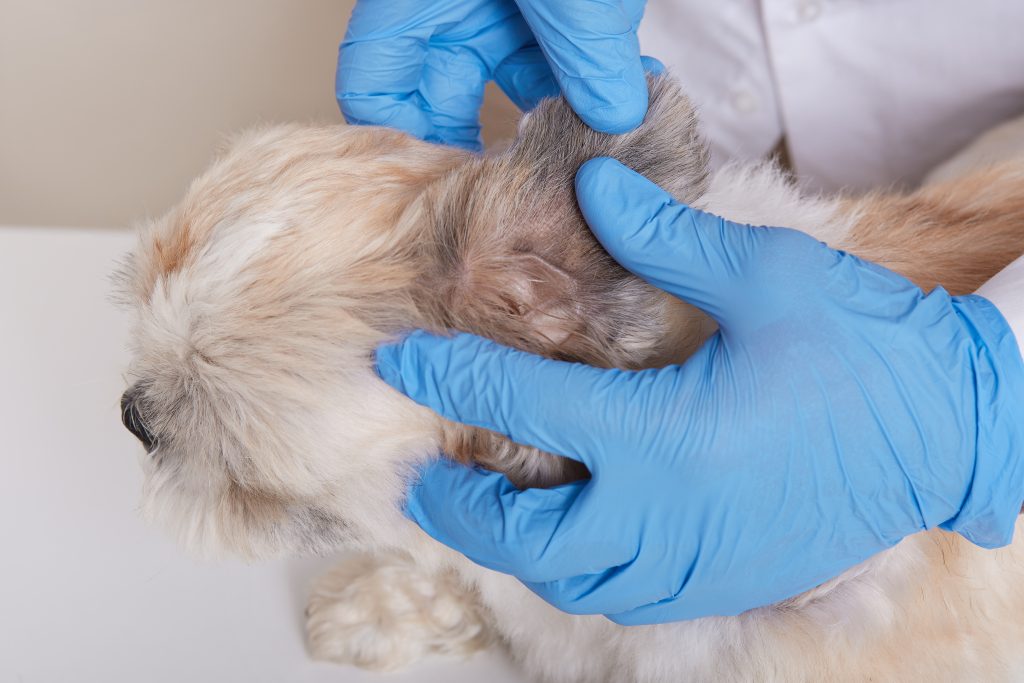
Red, swollen or watery eyes, squinting, head shaking, excessive scratching, unpleasant ear odour or unusual discharge should be assessed by a vet. Eye and ear problems can be painful, and early treatment can help prevent complications.
9. Itching or skin irritation
Frequent scratching, excessive paw licking, biting at the skin, redness or bald patches can indicate an underlying skin problem. Allergies, parasites and bacterial or yeast infections are some possible causes. Because constant scratching can damage the skin and lead to infection, it is worth having persistent irritation checked.
10. Lethargy or changes in behaviour
If your normally energetic dog suddenly becomes unusually tired, withdrawn or inactive, don’t simply assume they are having an off day. A noticeable change in behaviour or activity can be a sign of pain, illness or another underlying problem and should be discussed with your vet.
When in Doubt, Speak to Your Vet
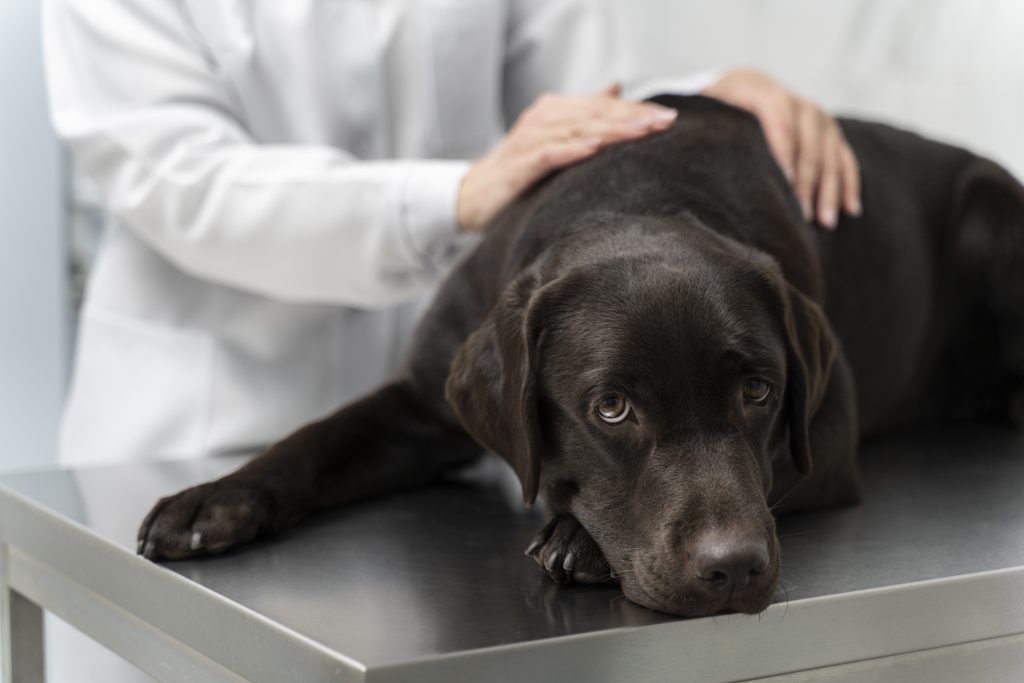
There is no need to wait until your dog appears seriously ill before seeking professional advice. Many conditions are easier to manage when identified early, and a veterinary examination can help determine whether a symptom is harmless or requires treatment.
As a responsible dog owner, you know your pet’s normal behaviour better than anyone. If you notice anything unusual or feel that something isn’t quite right with your dog, trust your instincts and contact your vet. When it comes to your dog’s health, it is always better to ask than to wait.