
Ticks are more than just an unpleasant nuisance. In South Africa, they are a common parasite that can cause irritation, skin infections, anaemia, and even life-threatening diseases. Whether your dog enjoys hiking, visits the park regularly, or simply spends time in the garden, effective tick prevention should be an essential part of their healthcare routine.
Understanding the risks and choosing the right preventative treatment can help keep your dog healthy throughout the year.
Why Tick Prevention Is Important
Ticks are external parasites that feed on the blood of animals. They attach themselves to your dog’s skin, often hiding in areas such as the ears, neck, between the toes, under the collar, and around the tail.
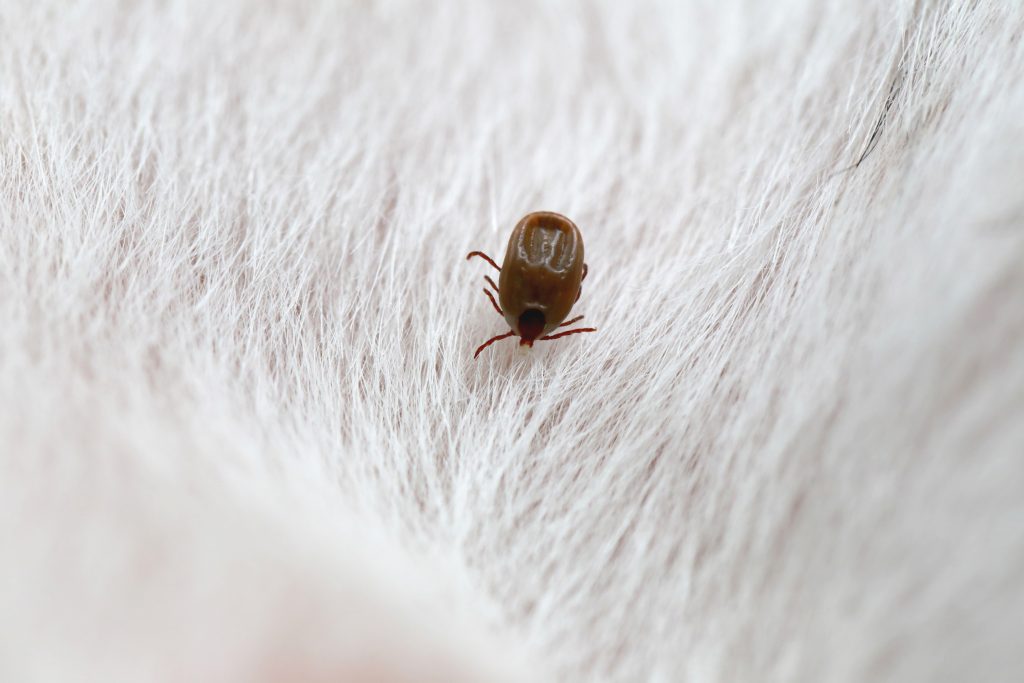
While a single tick may not seem like a concern, larger infestations can quickly become dangerous. Ticks can cause:
- Skin irritation and itching
- Painful bites and inflammation
- Blood loss leading to anaemia
- Secondary skin infections
- Transmission of serious tick-borne diseases
One of the most concerning diseases in South Africa is biliary (babesiosis), a potentially fatal condition caused by parasites that destroy red blood cells. Early prevention is far safer and less costly than treating a tick-borne illness.
When Are Ticks Most Active?
Many pet owners assume ticks are only a summer problem, but in South Africa, they can be active year-round, particularly in warmer regions.
Tick numbers usually increase during:
- Spring
- Summer
- Warm, humid autumn months
However, mild winters often allow ticks to remain active, making year-round protection the safest approach.
How Dogs Pick Up Ticks
Dogs commonly encounter ticks while:
- Walking through long grass or bush
- Hiking on nature trails
- Visiting parks or farms
- Playing with other pets
- Exploring gardens with wildlife or rodents
Even dogs that spend most of their time at home can still be exposed if ticks are brought into the garden by birds or wild animals.
Signs Your Dog May Have Ticks
Regularly checking your dog after walks makes it easier to remove ticks before they become established.
Look for:
- Small bumps on the skin
- Visible attached ticks
- Excessive scratching or biting
- Head shaking or ear irritation
- Red, inflamed skin
- Unexplained tiredness or pale gums after heavy tick exposure
If your dog develops lethargy, loss of appetite, fever, or dark urine after a tick bite, seek veterinary attention immediately, as these may be signs of a tick-borne disease.
The Best Ways to Prevent Ticks
The most effective tick prevention combines parasite treatments with good environmental management.
1. Use Veterinary-Recommended Tick Preventatives
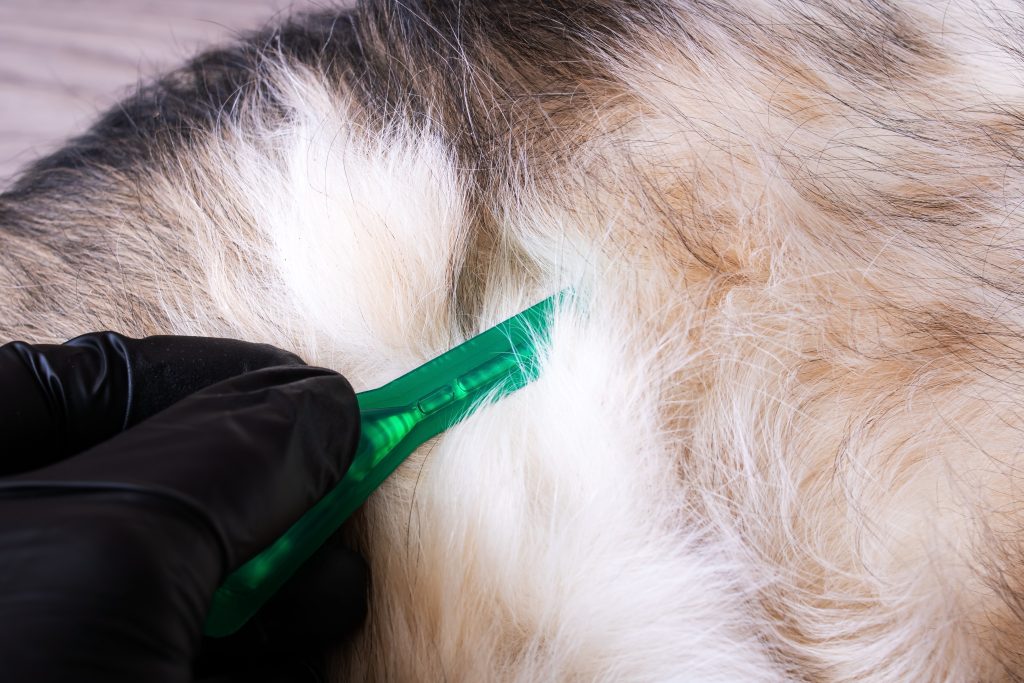
Modern parasite treatments provide reliable protection against ticks before they can cause harm.
Common options include:
- Spot-on treatments
- Tick collars
- Oral chewable tablets
- Monthly or long-lasting topical products
Your veterinarian can recommend the best option based on your dog’s age, lifestyle, health, and swimming habits.
Popular products available at most South African pet shops and veterinary practices include Bravecto, NexGard, Simparica, Advantix, Frontline Plus, and Seresto collars.
Shop: Canine & Co, ePETstore, and other online pet shops
Always follow the recommended treatment schedule, as missing doses reduces protection.
2. Check Your Dog After Walks
Run your hands through your dog’s coat after outdoor activities, paying close attention to:
- Inside and around the ears
- Under the collar
- Neck and chest
- Between the toes
- Under the armpits
- Around the groin and tail
Early removal significantly reduces the chance of disease transmission.
3. Keep Your Garden Tick-Friendly — For You, Not the Ticks
Simple garden maintenance helps reduce tick populations by making your outdoor space less attractive to them.
- Mow lawns regularly
- Remove leaf litter
- Trim overgrown shrubs
- Limit wildlife access where possible
- Wash pet bedding frequently
These steps work best alongside regular preventative treatments.
How to Remove a Tick Safely
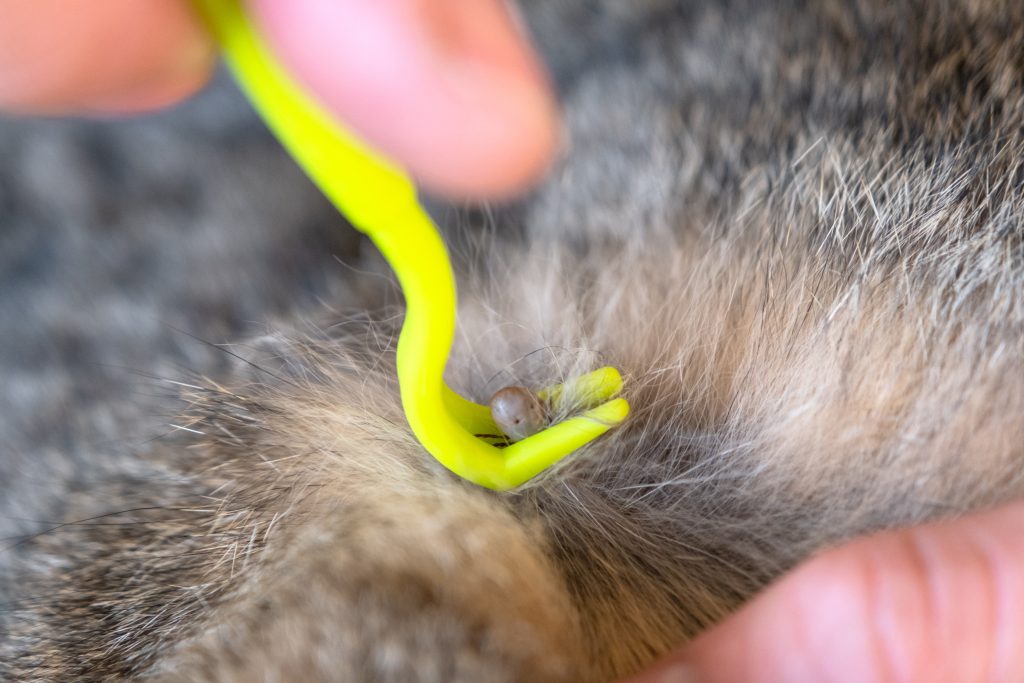
If you find a tick attached to your dog:
- Use a tick removal tool or fine-tipped tweezers.
- Grasp the tick as close to the skin as possible.
- Pull upwards slowly and steadily without twisting.
- Avoid squeezing the body of the tick.
- Clean the bite area with a pet-safe antiseptic.
- Wash your hands afterwards.
Avoid using petroleum jelly, alcohol, or burning the tick, as these methods may increase the risk of disease transmission.
Tick Prevention Is Easier Than Treatment
Tick-borne diseases can develop quickly and often require intensive veterinary care. Fortunately, most cases can be prevented with consistent parasite control and regular health checks.
Whether your dog enjoys weekend hikes, daily walks, or relaxing in the garden, protecting them from ticks should form part of their routine preventative healthcare.
A combination of year-round tick prevention, regular grooming, routine coat checks, and prompt removal of any attached ticks will help keep your dog comfortable, healthy, and ready for every adventure.