
Internal parasites are a common health risk for dogs, and many infected dogs show no obvious symptoms. Regular deworming is an important part of preventative healthcare, helping protect both your dog and your family from parasites that can sometimes spread to humans.
Why Regular Deworming Matters
Dogs can pick up worms from contaminated soil, infected faeces, fleas, wildlife, raw meat, or from their mother before birth or while nursing. Common intestinal worms include roundworms, hookworms, whipworms, and tapeworms. Left untreated, they can cause weight loss, diarrhoea, vomiting, poor coat condition, anaemia, and reduced nutrient absorption.
How Often Should You Deworm Your Dog?
Your veterinarian may recommend a different schedule based on your dog’s lifestyle and risk factors, but general guidelines include:
- Puppies: Every two weeks from 2 weeks of age until 12 weeks, then monthly until 6 months.
- Adult dogs: Every 3 months is suitable for most healthy adults.
- High-risk dogs: Dogs that hunt, scavenge, eat raw diets, visit parks often, or live with young children may need more frequent parasite control.
Always use a quality deworming product and follow the dosage instructions for your dog’s current weight.
Should You Change Deworming Brands?
Different deworming products contain different active ingredients and may target different parasites. Rotating between reputable brands can help provide broader coverage, but it isn’t always necessary.
Your veterinarian can advise which worms are most common in your area and recommend the best product for your dog’s lifestyle. In some cases, they may recommend using the same dewormer for a period if it provides the most effective protection against local parasites.
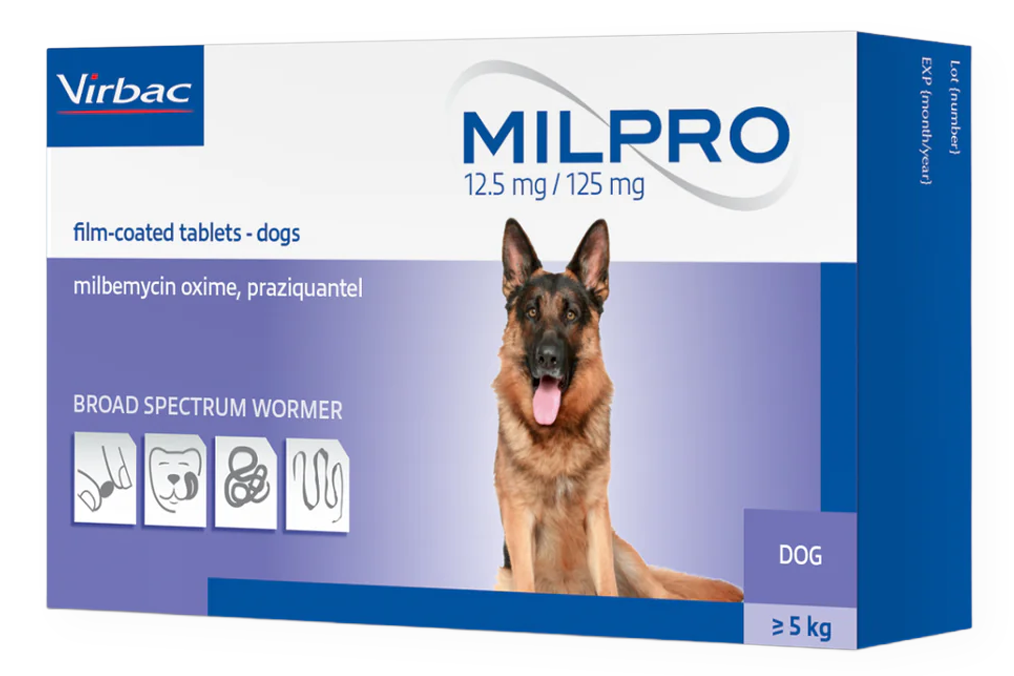
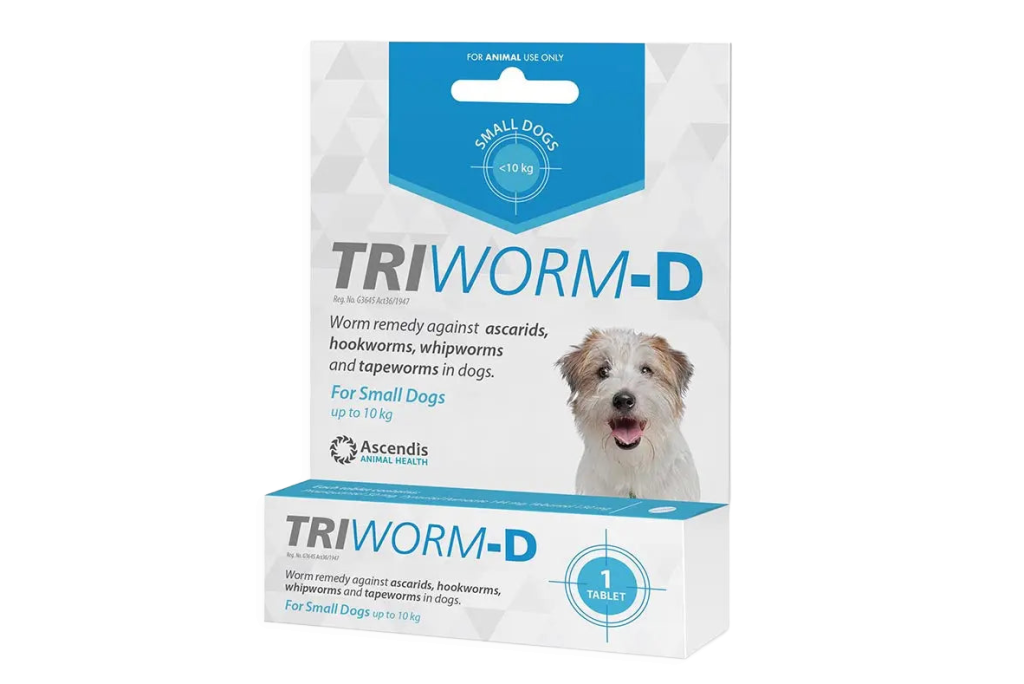
Three popular broad-spectrum dewormers widely available at most pet shops are Milbemax, Milpro, and Triworm-D. Each contains different active ingredients and may target slightly different parasites. Always choose the correct product for your dog’s weight and age, and ask your veterinarian for advice if you’re unsure which option is most suitable for your dog’s needs.
Shop: Canine & Co, ePETstore, and other online pet shops
Don’t Forget Flea Control
Tapeworms are commonly spread through fleas, so flea prevention is just as important as regular deworming. Using both together helps reduce the risk of reinfection.
Keep Your Dog Protected
Routine deworming, good hygiene, prompt faeces removal, and regular veterinary check-ups all play an important role in parasite prevention. Following a consistent deworming schedule helps keep your dog healthy, comfortable, and protected year-round.