
If your dog is constantly scratching, licking their paws, or suffering from recurring ear infections, allergies could be the cause. Dog allergies are among the most common reasons for veterinary visits and can affect dogs of any breed, age, or size.
Understanding what causes allergies, recognising the signs early, and knowing how to manage them can help keep your dog comfortable and improve their quality of life.
What Are Dog Allergies?

An allergy occurs when your dog’s immune system overreacts to a substance that is normally harmless. These substances, known as allergens, trigger inflammation that often affects the skin, ears, paws, or digestive system.
Unlike humans, who often experience sneezing and watery eyes, dogs usually develop itchy skin as their primary allergy symptom.
Common Types of Dog Allergies
Environmental Allergies
Environmental allergies, also called atopic dermatitis, are among the most common allergies in dogs. Common triggers include:
- Grass pollen
- Tree pollen
- Weed pollen
- Dust mites
- Mould spores
- Household dust
Some dogs only show symptoms during certain seasons, while others experience allergies year-round.
Flea Allergy Dermatitis
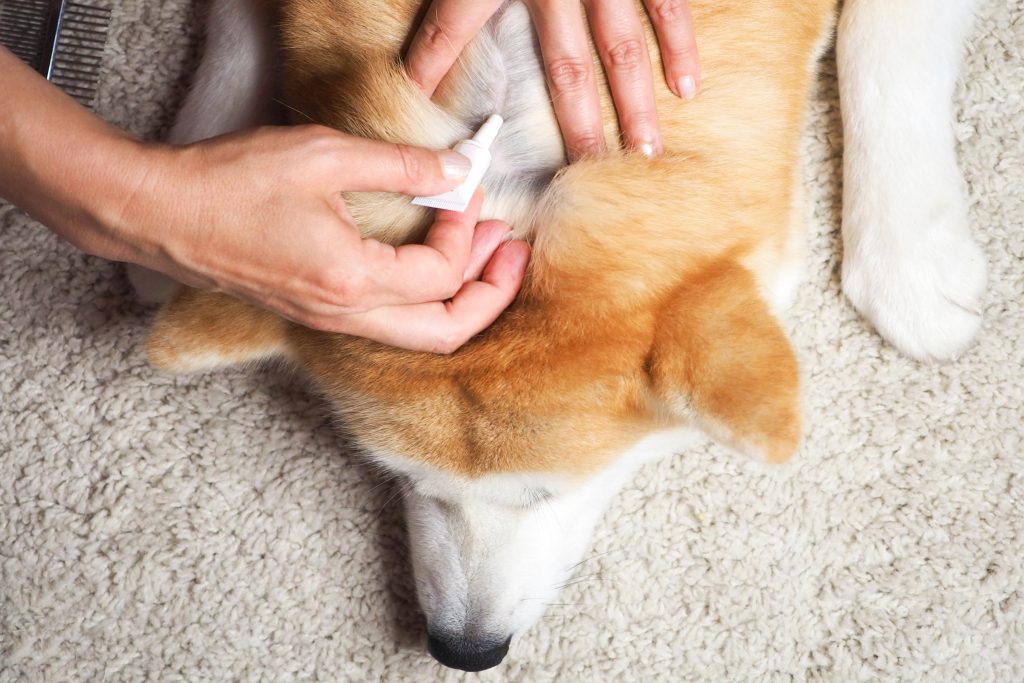
Some dogs are highly allergic to flea saliva. Even a single flea bite can trigger intense itching and skin irritation that lasts for days.
Dogs with flea allergies often chew or scratch around the base of their tail, lower back, and hind legs.
Food Allergies
Although less common than environmental allergies, food allergies do occur. They usually develop after a dog has eaten the same protein source for an extended period.
Common food allergens include:
- Beef
- Chicken
- Dairy
- Eggs
- Wheat
- Soy
Food allergies typically cause itchy skin, ear infections, or digestive problems rather than sudden stomach upsets.
Contact Allergies
Contact allergies occur when your dog’s skin reacts to something it touches, such as:
- Certain grasses
- Cleaning products
- Shampoos
- Synthetic fabrics
- Rubber or plastic materials
These allergies are less common but can cause redness, itching, and irritation at the site of contact with the allergen.
Signs Your Dog May Have Allergies

Dog allergies can appear in many different ways. Watch for symptoms such as:
- Constant scratching
- Excessive licking or chewing of the paws
- Red, inflamed skin
- Hair loss
- Frequent ear infections
- Skin bumps or rashes
- Hot spots
- Scooting due to irritation
- Watery eyes
- Chronic skin infections
The symptoms may worsen during certain seasons if environmental allergens are involved.
How Vets Diagnose Dog Allergies
Diagnosing allergies often requires ruling out other conditions first, such as parasites or skin infections.
Your veterinarian may recommend:
- A physical examination
- Skin or ear testing
- Flea control assessment
- An elimination diet for suspected food allergies
- Allergy testing for environmental allergens
Finding the exact cause can take time, but identifying the trigger is essential for long-term management.
How Dog Allergies Are Treated
There is no universal cure for allergies, but most dogs can be managed successfully with the right treatment plan.
Treatment may include:
Regular Bathing
Bathing your dog with a gentle, hypoallergenic shampoo helps remove allergens from the coat while soothing irritated skin.
Flea Prevention
Year-round flea prevention is essential, especially for dogs with flea allergies.
Medication
Depending on the severity, your veterinarian may prescribe medications to control itching and inflammation or treat secondary skin infections.
Allergy Immunotherapy
Some dogs benefit from allergy immunotherapy, which may be given as injections or oral treatment tailored to the specific environmental allergens affecting them.
Dietary Changes
If a food allergy is suspected, your vet may recommend a prescription elimination diet followed by carefully planned food trials.
Can Grooming Help Dogs with Allergies?

Grooming plays an important role in allergy management. Regular grooming helps:
- Wash away pollen and environmental allergens
- Remove dirt and debris trapped in the coat
- Reduce skin irritation
- Prevent painful matting
- Improve airflow to the skin
- Allow early detection of skin problems
Dogs with allergies often benefit from a consistent grooming schedule rather than occasional baths at home.
Can Dog Allergies Be Prevented?
While allergies cannot always be prevented, you can reduce flare-ups by:
- Keeping your dog’s bedding clean
- Vacuuming regularly to reduce dust mites
- Wiping paws after walks
- Using effective flea prevention year-round
- Feeding a balanced, high-quality diet
- Using an Omega-3 supplement
- Scheduling regular grooming appointments
- Visiting your veterinarian at the first sign of recurring itching
Early intervention often prevents minor irritation from developing into severe skin infections.
Read more: Why Omega-3 Is One of the Best Supplements for Your Dog’s Health
When Should You See a Vet?
If your dog is scratching constantly, develops recurring ear infections, or has persistent skin irritation, it is time to consult your veterinarian. Chronic itching is never normal and should not be ignored.
The sooner allergies are diagnosed, the sooner your dog can begin receiving appropriate treatment and relief.
Final Thoughts
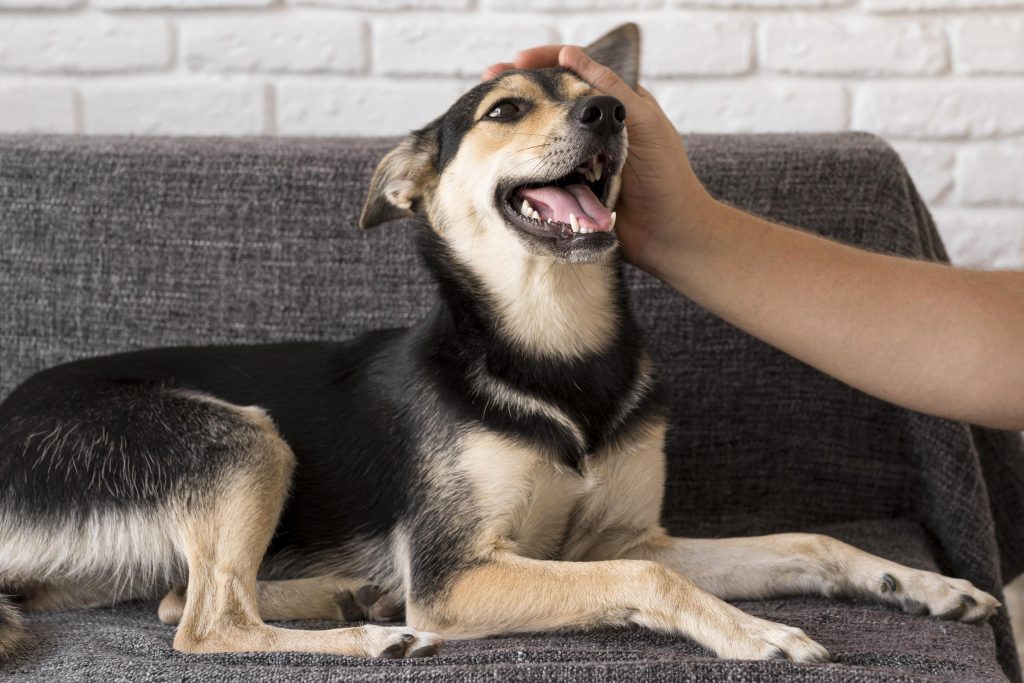
Dog allergies can be frustrating for both pets and owners, but they are manageable with the right care. Understanding the different types of allergies, recognising the symptoms early, and working closely with your veterinarian can make a significant difference in your dog’s comfort and health.
With regular grooming, effective parasite prevention, and appropriate veterinary care, most dogs with allergies can enjoy happy, active, and comfortable lives with fewer flare-ups.