
Dog agility training is an exciting way to keep your dog active, mentally stimulated and engaged. Combining physical exercise with obedience and problem-solving, agility training helps dogs develop confidence while strengthening the bond between dogs and their owners. Whether you have a high-energy dog or are simply looking for a fun new activity to enjoy together, agility training is a rewarding way to add variety to your dog’s routine.
What is agility?
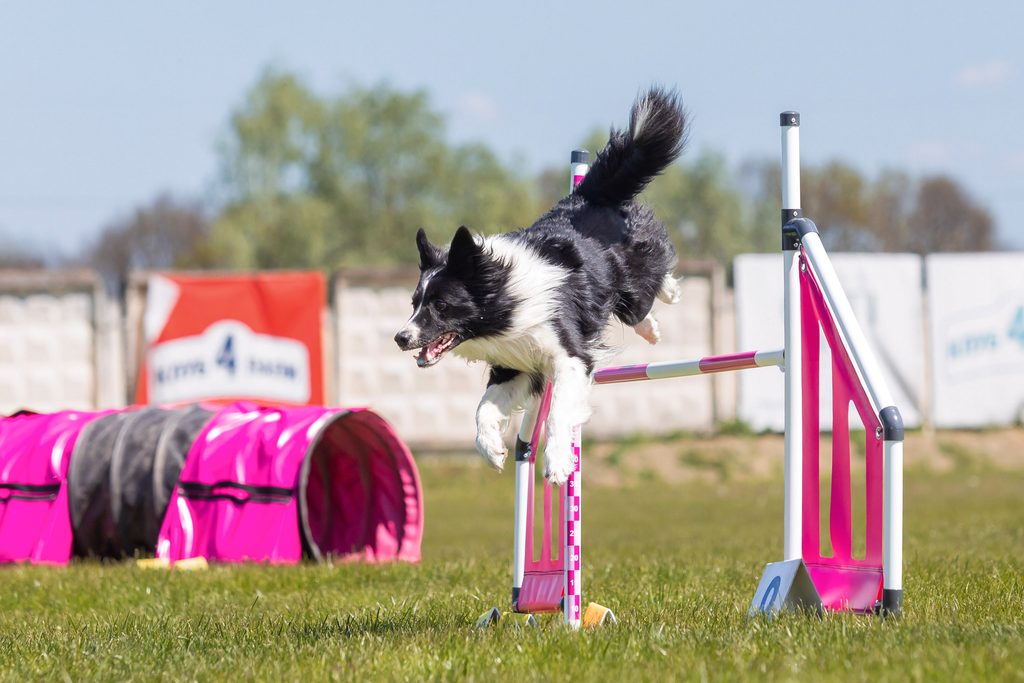
Dog agility is a fun, structured activity where dogs navigate a course of obstacles under the guidance of their handler. Courses may include jumps, tunnels, weave poles, ramps and other challenges.
The aim is for the dog to complete the course safely and confidently while responding to the handler’s cues. Agility training is not just about speed. It also focuses on communication, focus, body awareness, confidence and teamwork.
What does a typical class involve?
A typical dog agility class combines warm-ups, training exercises and obstacle work. Dogs may start by learning individual obstacles before progressing to combinations and complete sequences.
Handlers learn how to give clear cues and guide their dogs through the course effectively. Classes are generally adapted to suit each dog’s experience and ability, allowing beginners to build skills gradually.
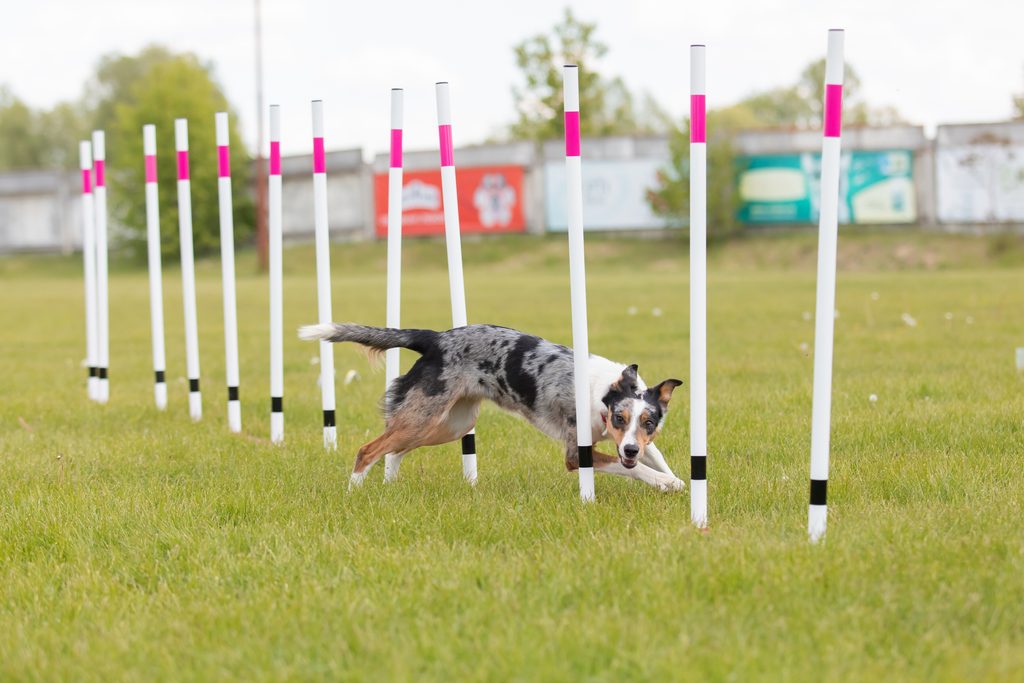
Positive reinforcement is an important part of agility training. Reward-based techniques help dogs understand what is expected of them while keeping training enjoyable and motivating.
Who is the training for?
Dog agility training can be suitable for a wide range of dogs, provided they are physically able to participate. It can be particularly beneficial for active, energetic dogs that enjoy learning and need additional mental stimulation.
Agility is not only for experienced competition dogs. Beginners can enjoy the activity at their own pace, making it a great option for owners looking for a fun and engaging way to train their dogs.
Before starting agility, it is important to consider your dog’s age, fitness, physical condition and individual needs.
What will dogs and owners learn?
Dogs learn to respond to cues, navigate obstacles, maintain focus and work confidently around distractions. They also develop body awareness, coordination and the ability to solve problems.
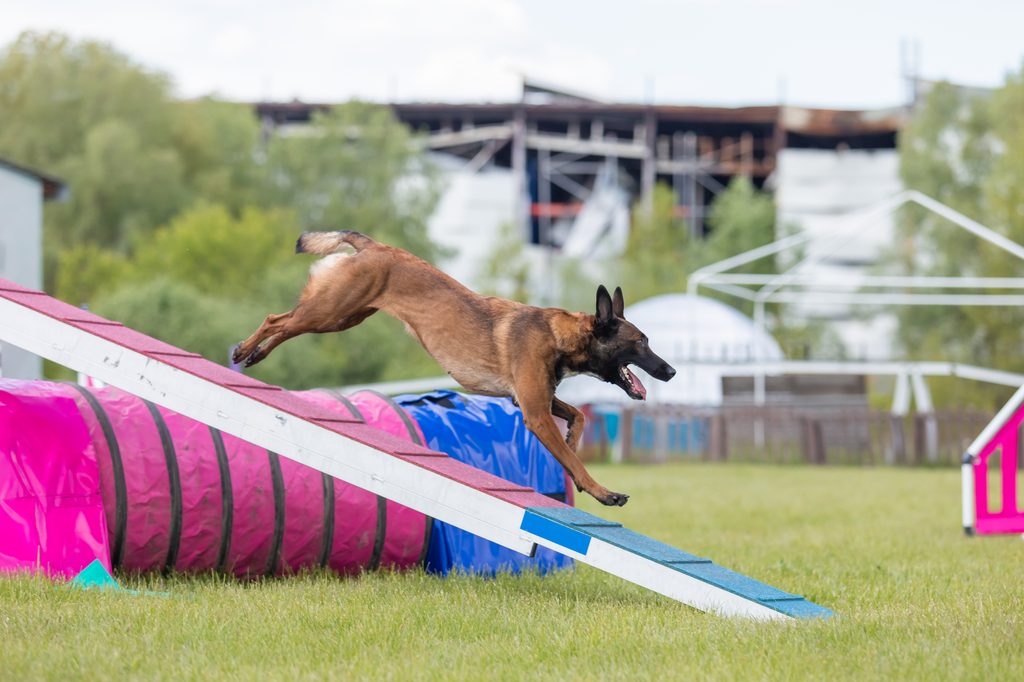
Owners learn how to communicate clearly with their dogs, use effective handling techniques and recognise their dog’s body language. Most importantly, agility teaches dogs and owners to work as a team.
What are the benefits of this training?
Dog agility training offers both physical and mental benefits. Navigating obstacles provides exercise, while learning new skills keeps a dog’s mind active and engaged.
Regular agility training can help improve coordination, focus, confidence and responsiveness. It can also provide an appropriate outlet for energy and reduce boredom by introducing variety into your dog’s routine.
For owners, agility is an opportunity to spend quality time with their dogs while building trust and communication. The shared experience can strengthen the relationship and make training more enjoyable.
Ready to get moving? Dog agility training is a fun way to exercise your dog, challenge their mind and build a stronger partnership through positive, rewarding training.